### Sudoku 101: A Comprehensive Guide to the Classic Puzzles
#### Understanding Sudoku
Sudoku is a popular puzzle game that has captivated millions around the world. It’s a fun and challenging way to keep your mind sharp. In this article, we’ll delve into the basics of Sudoku, its rules, and how to play it effectively.
#### What is Sudoku?
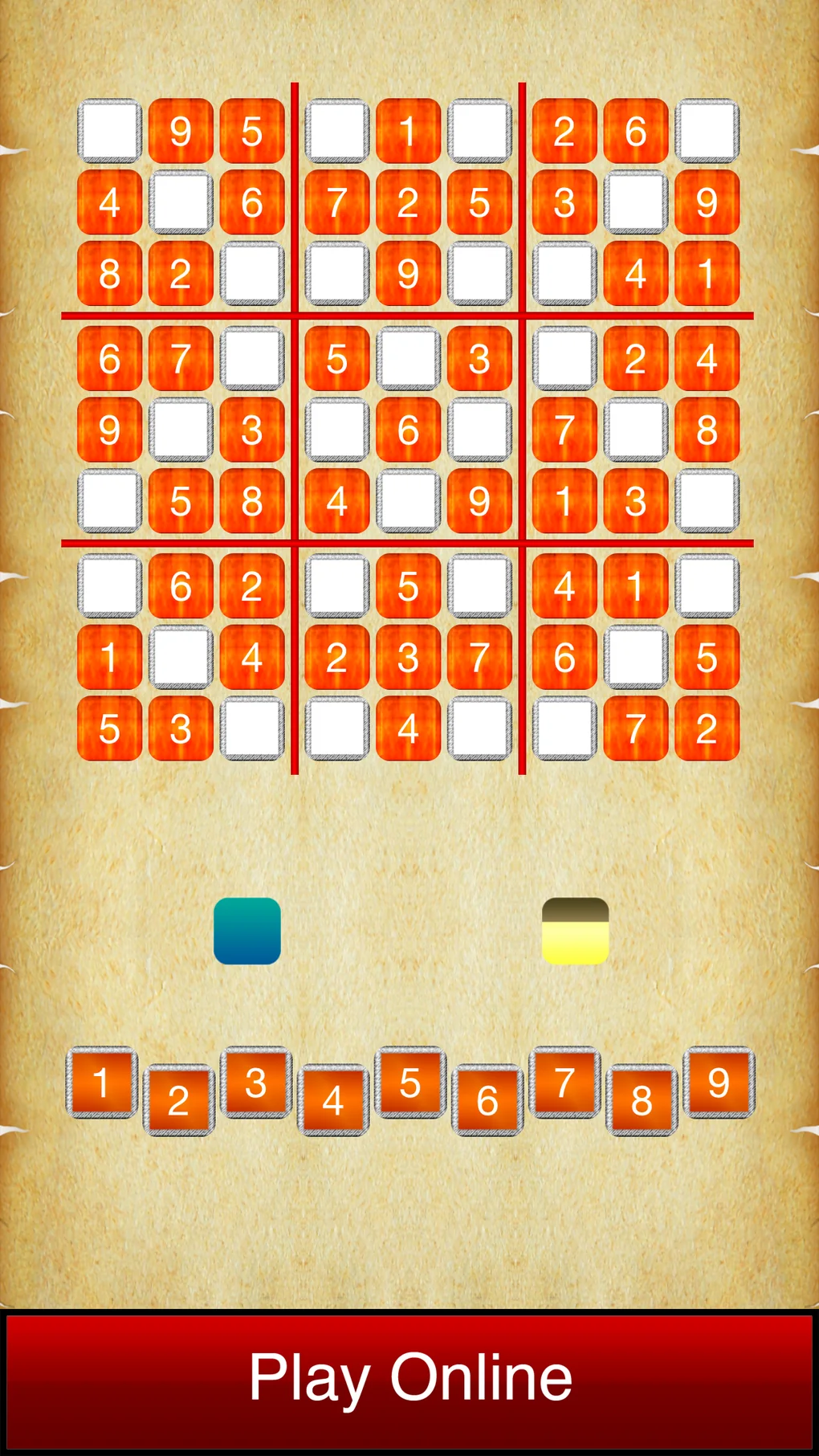
Sudoku is a logic-based combinatorial number-placement puzzle. The objective is to fill a 9×9 grid with digits so that each column, each row, and each of the nine 3×3 subgrids that compose the grid (also called “boxes”, “blocks”, or “regions”) contain all of the digits from 1 to 9. The puzzle setter provides a partially completed grid, which for a well-posed puzzle has a single solution.
#### Rules of Sudoku
1. **9×9 Grid**: The grid is divided into nine 3×3 subgrids.
2. **Unique Numbers**: Each row, column, and 3×3 subgrid must contain all digits from 1 to 9.
3. **No Repetition**: Numbers can’t repeat in any row, column, or 3×3 subgrid.
4. **Start with Clues**: The grid starts with some numbers already filled in, known as “clues” or “givens.”
#### How to Play Sudoku
1. **Start with Clues**: Begin by filling in the numbers that are already given in the grid.
2. **Logic and Deduction**: Use logical reasoning to deduce the next number to place in the grid.
3. **Cross-Hatching**: Look at rows and columns that intersect at a particular cell to eliminate possibilities.
4. **Elimination**: Eliminate numbers that cannot possibly go in a particular cell based on the numbers already placed in the grid.
#### Tips for Solving Sudoku
– **Start with Easy Puzzles**: Begin with easier puzzles to get a feel for the game.
– **Use Pencil Marks**: Make pencil marks on the grid to keep track of possible numbers for each cell.
– **Look for Patterns**: Look for rows, columns, or subgrids that have only a few numbers left to fill in.
– **Be Patient**: Sudoku can be challenging, so take your time and don’t rush.
#### Frequently Asked Questions (FAQ)
**Q: What is the best way to start a Sudoku puzzle?**
A: Start by filling in the numbers that are already given in the grid. Then, use logical deduction to fill in the rest of the cells.
**Q: Can I use a calculator to solve Sudoku?**
A: No, Sudoku requires logical reasoning and pattern recognition, which a calculator cannot provide.
**Q: Is there a limit to how many puzzles I can solve?**
A: There is no limit to the number of puzzles you can solve. In fact, many players enjoy solving multiple puzzles to improve their skills.
**Q: Are there different levels of Sudoku puzzles?**
A: Yes, Sudoku puzzles come in various difficulty levels, from easy to expert. It’s recommended to start with easier puzzles and gradually move to more challenging ones.
**Q: Can I solve Sudoku without any clues?**
A: Yes, it’s possible to solve a Sudoku puzzle without any clues, but it requires advanced techniques and a high level of skill.
**Q: Is Sudoku a good way to improve cognitive skills?**
A: Yes, Sudoku is known to improve cognitive skills such as concentration, memory, and problem-solving abilities.
By following these guidelines and tips, you’ll be well on your way to mastering the art of Sudoku. Happy solving!