### How to Solve a Hard Sudoku Puzzle
#### Understanding Sudoku
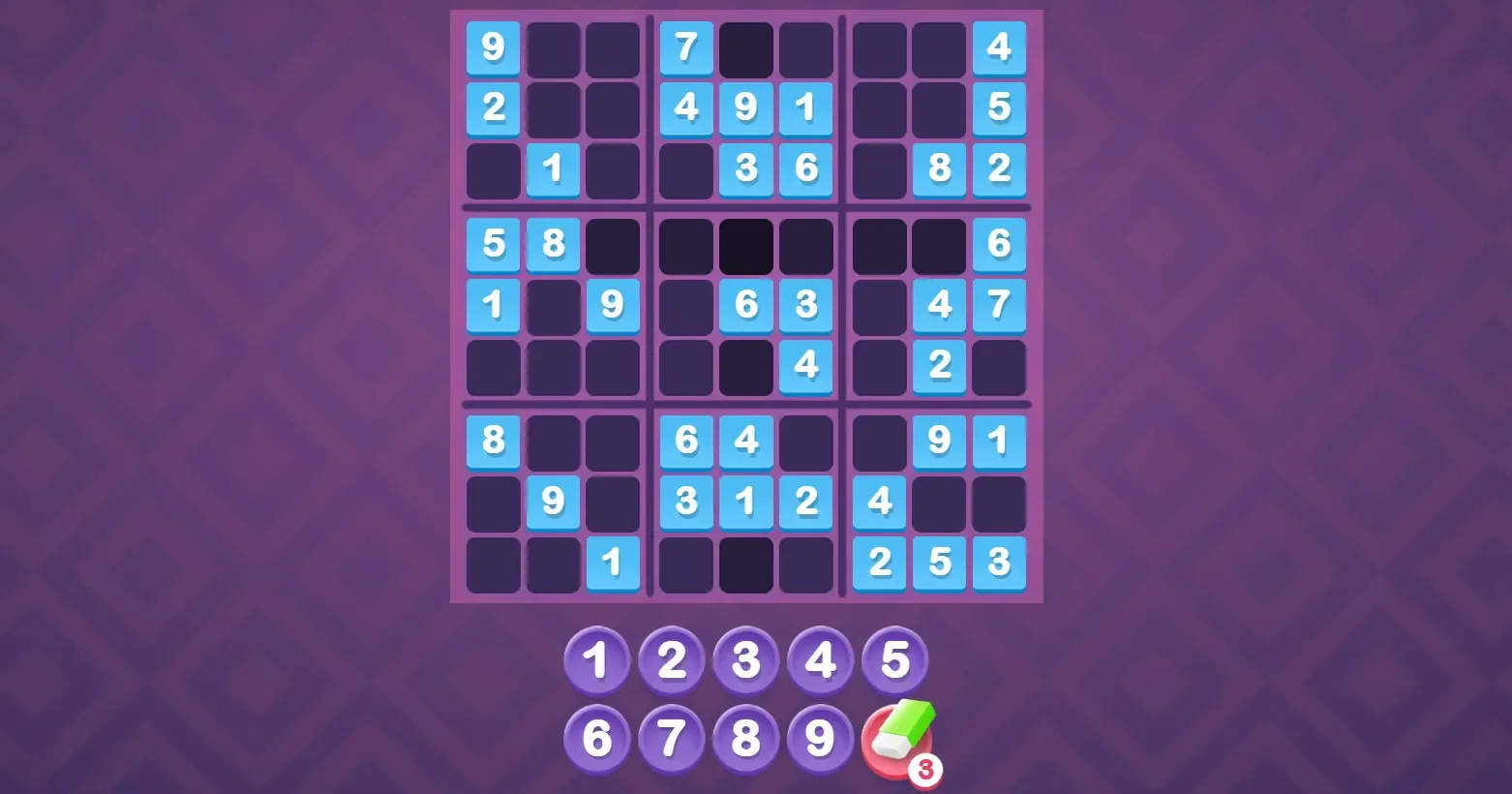
Sudoku is a popular puzzle game that requires players to fill a 9×9 grid with numbers so that each column, each row, and each of the nine 3×3 subgrids that compose the grid (also called “boxes”, “blocks”, or “regions”) contain all of the digits from 1 to 9. Solving hard Sudoku puzzles can be challenging, but with the right strategies, it’s entirely achievable.
#### Strategies for Solving Hard Sudoku Puzzles
1. **Identify Pairs and Triples**: Look for rows, columns, or boxes where two or three numbers can only fit in a few cells. Once you’ve identified these possibilities, you can eliminate these numbers from other cells in the same row, column, or box.
2. **Use X-Wing Strategy**: This advanced technique involves finding two rows or columns that can only contain two of the same number. If these rows or columns intersect, the number can be eliminated from all other cells in the intersecting column or row.
3. **Apply Swordfish and Jellyfish Strategies**: Similar to the X-Wing, these strategies involve identifying patterns of numbers in rows or columns that can be used to eliminate numbers in other rows or columns.
4. **Utilize Hidden Single Strategy**: Sometimes, a single cell has only one possible number that can fit. By placing this number, you may uncover new possibilities in other parts of the puzzle.
5. **Employ the Unique Rectangle Strategy**: This technique is used when two pairs of numbers in two rows or columns only fit in two cells, creating a rectangle. The number can then be eliminated from all other cells in the rectangle.
6. **Analyze and Eliminate Candidates**: As you progress, continually analyze each cell to see if any numbers can be eliminated based on the numbers already placed in the puzzle.
#### Advanced Techniques
1. **Guess and Check**: If you’re stuck, you can make an educated guess about the missing number in a cell, place it, and then solve the puzzle again. If the puzzle doesn’t work out, you know the number you guessed was incorrect.
2. **Backtracking**: This is a systematic way of filling in numbers that involves trying out a number for a cell, then moving to the next cell and repeating the process until either the puzzle is solved or it’s clear that the current number doesn’t work.
3. **Pattern Recognition**: Some Sudoku puzzles have unique patterns that can be recognized and exploited to solve the puzzle more quickly.
#### FAQs
**Q: What is the best way to start solving a hard Sudoku puzzle?**
A: Start by looking for pairs, triples, and hidden singles. These strategies can help you quickly fill in cells and uncover new possibilities.
**Q: How can I tell if a Sudoku puzzle is hard?**
A: A hard Sudoku puzzle will typically have fewer numbers initially filled in and require more advanced techniques to solve.
**Q: What is the difference between the X-Wing and Swordfish strategies?**
A: The X-Wing involves two rows, while the Swordfish involves three rows or columns. Both require that the rows or columns intersect and can be used to eliminate numbers in other cells.
**Q: Should I use the guess and check method often?**
A: It’s best to use the guess and check method sparingly, as it can lead to errors. Use it only when you’re completely stuck after trying other strategies.
**Q: Can I solve a hard Sudoku puzzle without using any advanced techniques?**
A: It’s possible, but it will be much more challenging. Advanced techniques can significantly speed up the process and make solving a hard puzzle more enjoyable.
By applying these strategies and techniques, you’ll be well on your way to mastering the art of solving hard Sudoku puzzles. Happy solving!