## How to Solve Color Sudoku: A Comprehensive Guide
### Understanding Color Sudoku
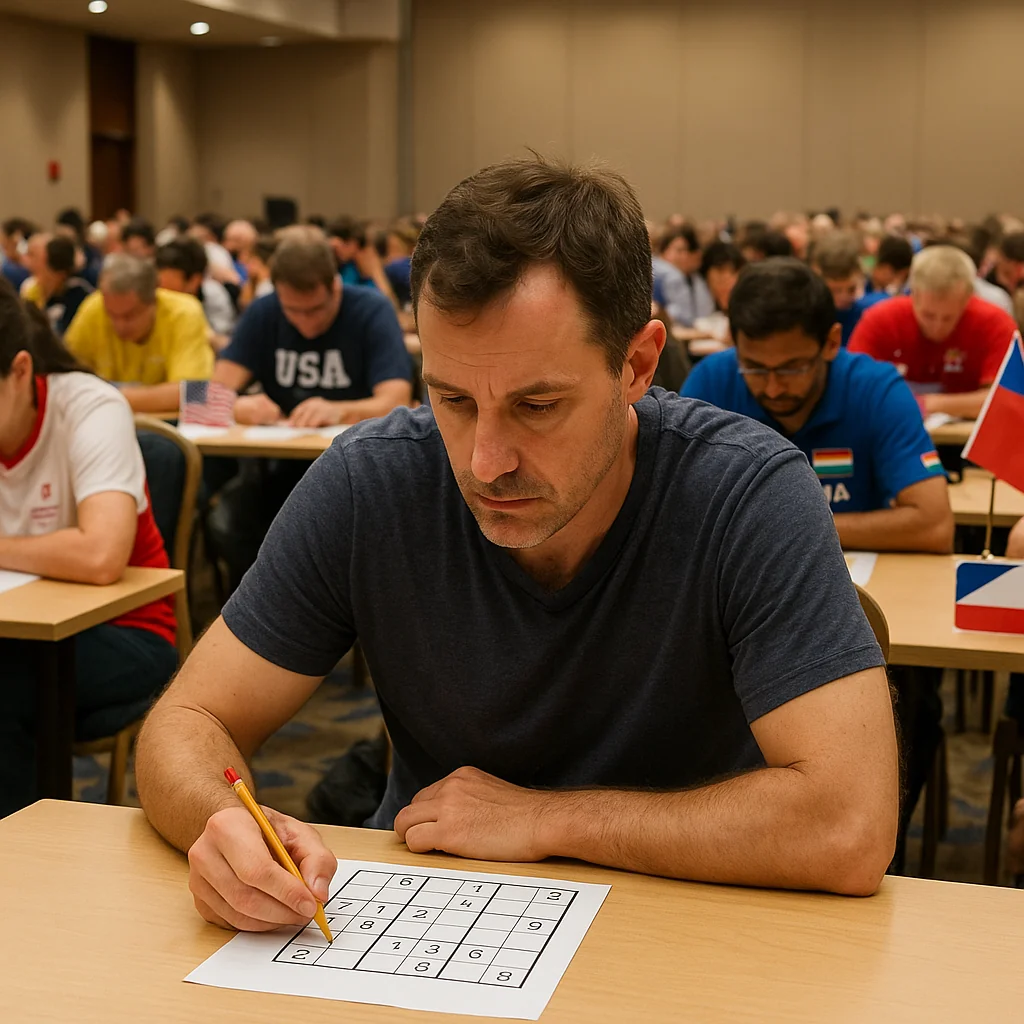
Color Sudoku, also known as Picture Sudoku or Sudoku X, is a variation of the traditional Sudoku puzzle that introduces a new dimension with colored squares. While the basic rules of Sudoku remain the same, the addition of colors adds a layer of complexity. In this guide, we will explore the steps to solve a Color Sudoku puzzle effectively.
#### Step 1: Familiarize Yourself with the Grid
The first step is to understand the layout of the grid. Color Sudoku puzzles are usually 9×9 grids, divided into nine 3×3 sub-grids called “boxes” or “regions.” Each box will also have a different color, which you must consider when filling in the numbers.
#### Step 2: Identify the Rules
– **Columns and Rows:** Each row and column must contain the numbers 1 to 9 without repetition.
– **3×3 Boxes:** Each 3×3 box must contain the numbers 1 to 9 without repetition.
– **Color Clues:** In addition to the numbers, each square may have a color. Each row, column, and 3×3 box must also have each color without repetition.
#### Step 3: Start with Easy Clues
Begin by filling in the cells that have the fewest possible options. These are often single cells with a single number or color. Use the color clues to help you fill in these cells more quickly.
#### Step 4: Apply Sudoku Strategies
– **Single Candidate:** If a number can only go in one place in a row, column, or box, fill it in.
– **Single Color:** If a color can only go in one place in a row, column, or box, fill it in.
– **Color Line:** If a row, column, or box has only one color left to fill, place it in the empty square.
#### Step 5: Check for Patterns
Look for patterns in the grid that can help you deduce missing numbers or colors. This might involve identifying groups of cells that must have a certain number or color.
#### Step 6: Backtracking
If you reach a point where you can’t make a decision, backtrack to the last decision you made and try a different number or color. This is often necessary in more complex puzzles.
#### Step 7: Use a Logical Approach
Always approach each step logically, and avoid guessing. If you must guess, make sure to cross-reference your choices to ensure they don’t violate any Sudoku rules.
### Frequently Asked Questions (FAQ)
**Q: What is the difference between Color Sudoku and regular Sudoku?**
A: The main difference is the introduction of color clues. In regular Sudoku, only numbers are used, while in Color Sudoku, both numbers and colors must be considered.
**Q: Can I use the same strategies as in regular Sudoku for Color Sudoku?**
A: Yes, many strategies are the same. However, you must also consider the color clues in addition to the number rules.
**Q: Is Color Sudoku harder than regular Sudoku?**
A: It can be harder for some players, especially if they are not used to considering both numbers and colors in their strategy.
**Q: Can I use a pencil and paper to solve Color Sudoku?**
A: Absolutely. Many players prefer to use pencil and paper for Sudoku puzzles, including Color Sudoku.
**Q: Is there an age limit for solving Color Sudoku?**
A: No. Sudoku puzzles, including Color Sudoku, can be enjoyed by players of all ages. The difficulty level can be adjusted to suit the solver’s experience.
**Q: Where can I find more Color Sudoku puzzles?**
A: You can find Color Sudoku puzzles in many puzzle books, online puzzle websites, and mobile apps designed for Sudoku enthusiasts.
By following these guidelines and strategies, you should be well-equipped to tackle any Color Sudoku puzzle that comes your way. Happy solving!