### Sudoku Strategy: Overcoming the Swordfish Conundrum
#### Understanding Sudoku
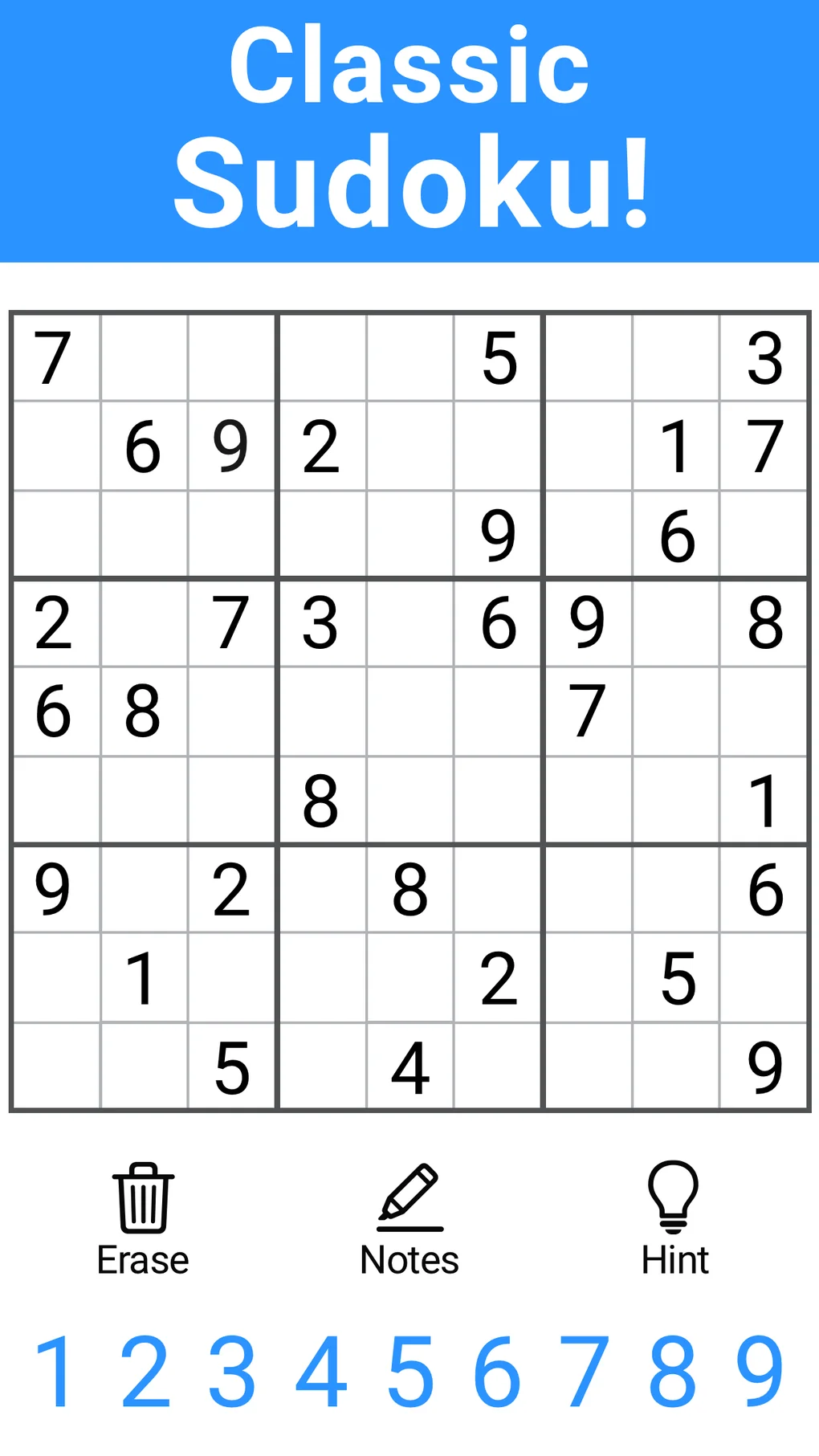
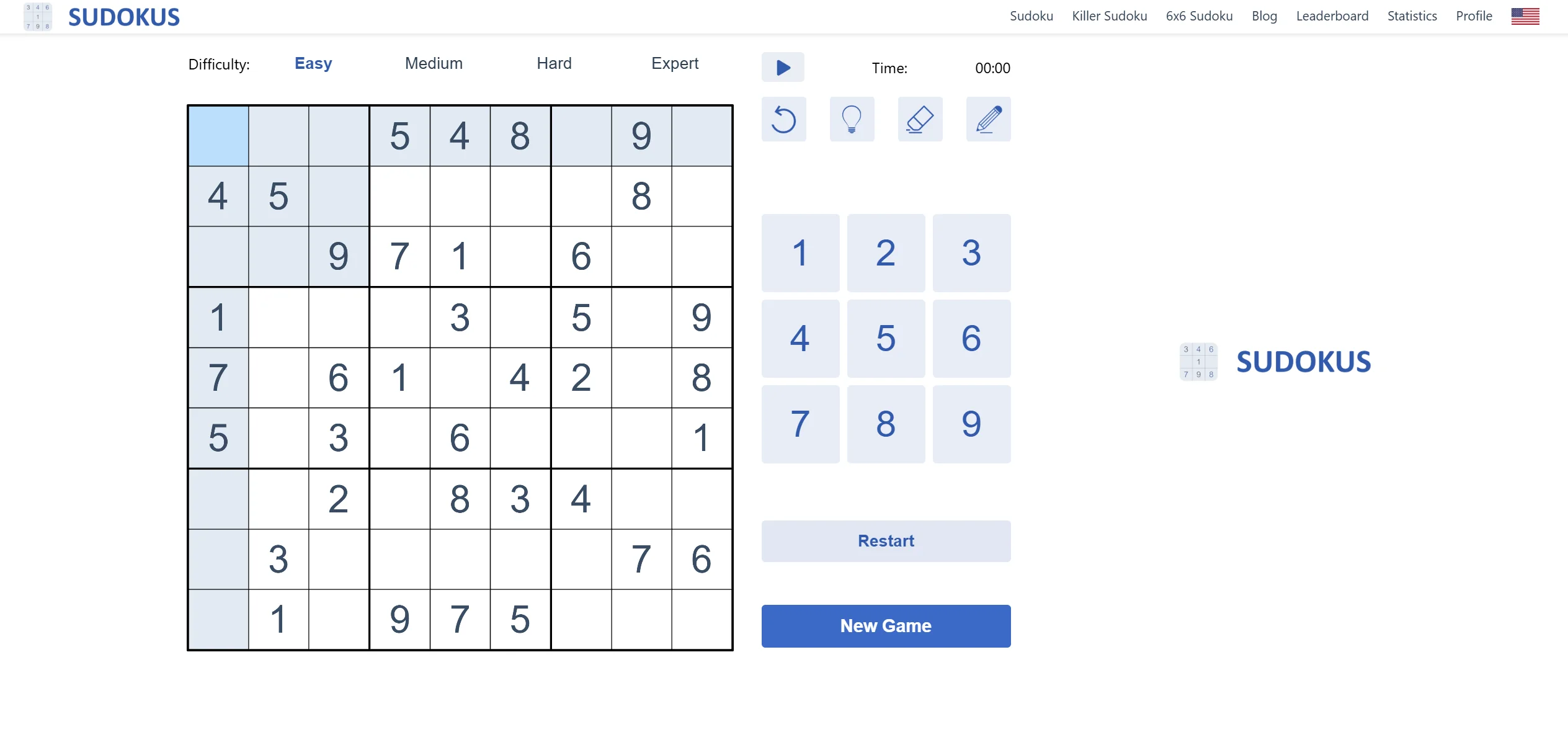
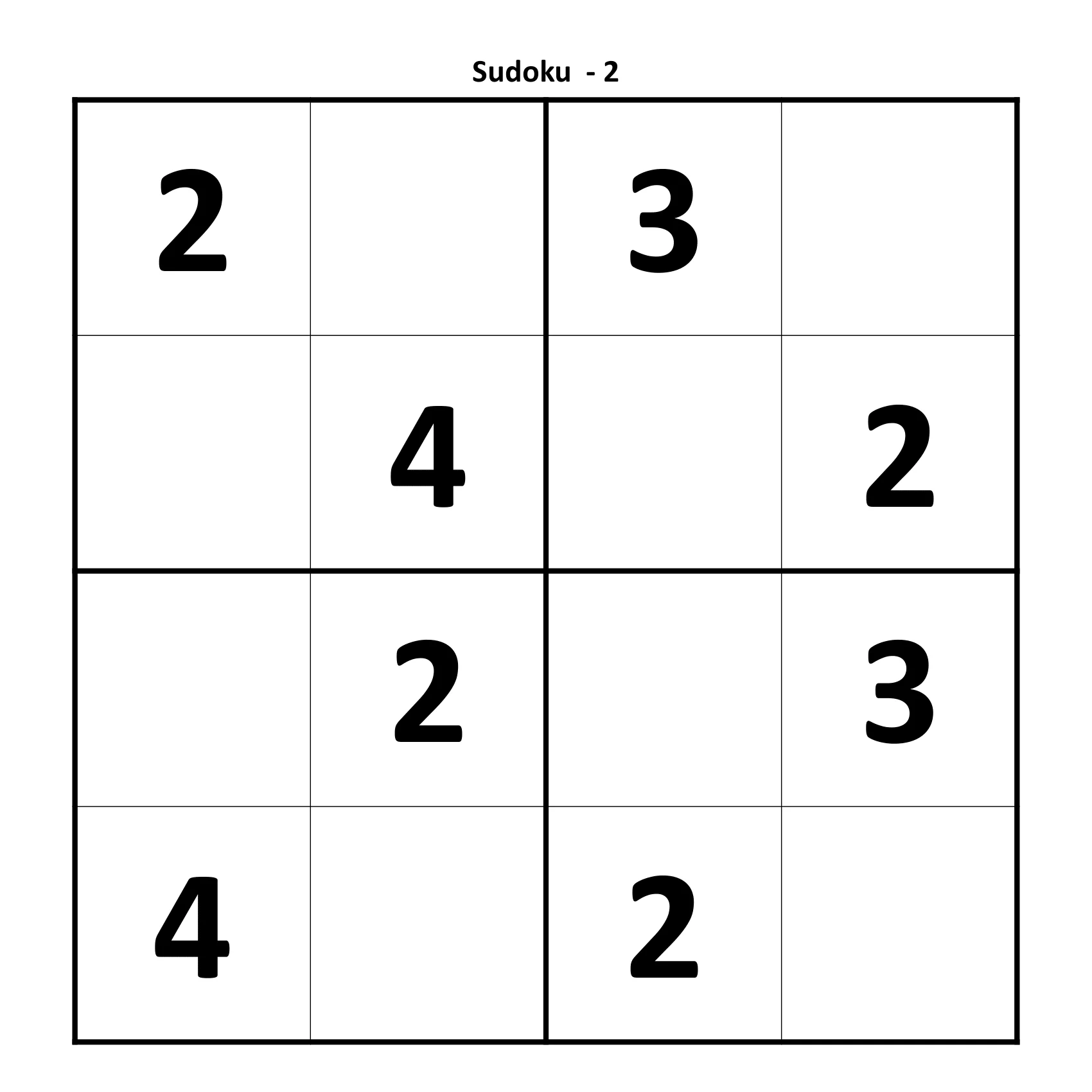
Sudoku is a popular logic-based combinatorial number-placement puzzle. It’s designed to challenge the mind and requires a logical approach to fill in the missing numbers in a 9×9 grid. The objective is to fill the grid with digits so that each column, each row, and each of the nine 3×3 subgrids that compose the grid (also called “boxes”, “blocks”, or “regions”) contain all of the digits from 1 to 9.
#### What is a Swordfish?
A Swordfish is a powerful Sudoku technique that helps solve complex puzzles. It is a type of X-Wing variant and is used when there are four instances of a number in a row, column, or box, with the same two digits forming a pattern that crosses the four instances. This pattern looks like a swordfish, hence the name.
#### The Challenge: Stuck on Sudoku without Swordfish
Many Sudoku enthusiasts find themselves at a standstill when they encounter a puzzle that doesn’t lend itself to the Swordfish strategy. When you’re stuck on a Sudoku puzzle without the Swordfish technique, here are some alternative strategies you can employ:
1. **Single Candidate Elimination**: Look for cells with only one possible number. Eliminate this number from other cells in the same row, column, or box.
2. **Hidden Pair**: Identify cells in a row, column, or box that can only contain two numbers. If these two numbers appear only in these cells, you can place them with confidence.
3. **Pointing Pair**: Similar to a hidden pair, but the two numbers point to each other in a row, column, or box. If these numbers are the only ones that can go in the pointed cells, place them.
4. **X-Wing**: This is another technique similar to the Swordfish but uses two rows or columns instead of four. It’s less common but can be just as effective.
5. **Swordfish Alternative**: If you’re familiar with the Swordfish but can’t find a clear pattern, try to create one by temporarily placing numbers in the grid and checking if it leads to a contradiction.
#### Frequently Asked Questions (FAQ)
**Q: How do I identify a Swordfish pattern?**
A: Look for four instances of a number in a row, column, or box. Check if the same two digits form a pattern that crosses these four instances.
**Q: Can a Swordfish pattern be in a 3×3 box?**
A: Yes, a Swordfish pattern can occur in any region of the Sudoku grid, including the 3×3 boxes.
**Q: What if I can’t find any Swordfish or other patterns?**
A: If you’re unable to find any patterns, try using simpler techniques like single candidate elimination or hidden pairs. Sometimes, solving one part of the puzzle can reveal new patterns.
**Q: Are there any online tools to help me identify Swordfish patterns?**
A: Yes, there are Sudoku-solving websites and apps that can help you identify patterns like Swordfish. They can also provide hints or solutions if you’re truly stuck.
**Q: Can a Swordfish pattern be used in a non-standard Sudoku grid?**
A: The Swordfish pattern is specific to the standard 9×9 Sudoku grid. It may not apply to variations with different grid sizes or additional rules.
By exploring these strategies and understanding the nuances of Sudoku patterns, you’ll be better equipped to tackle even the most challenging puzzles without relying solely on the Swordfish technique. Happy solving!