Standard Sudoku Solver: A Comprehensive Guide
Introduction
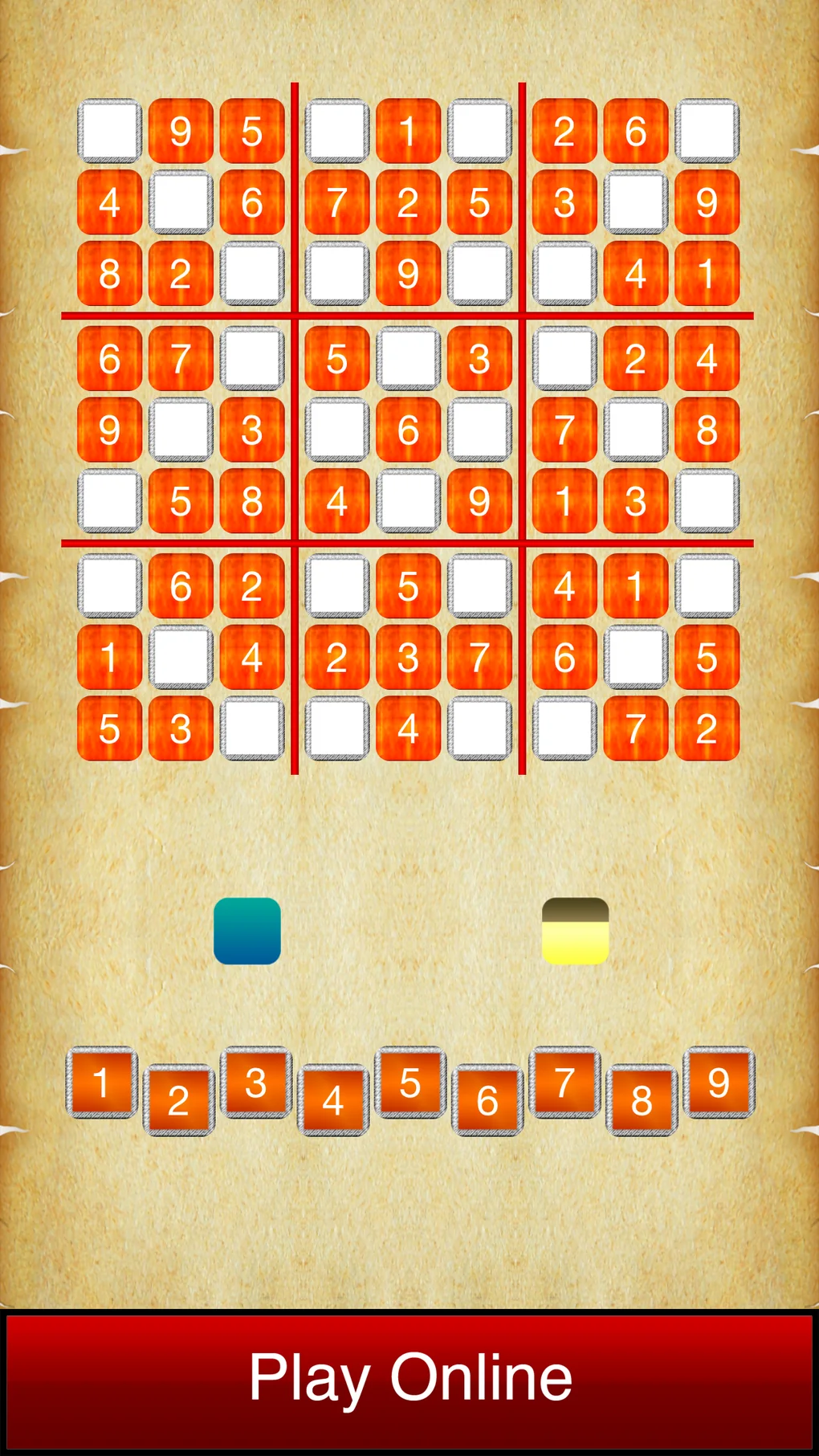
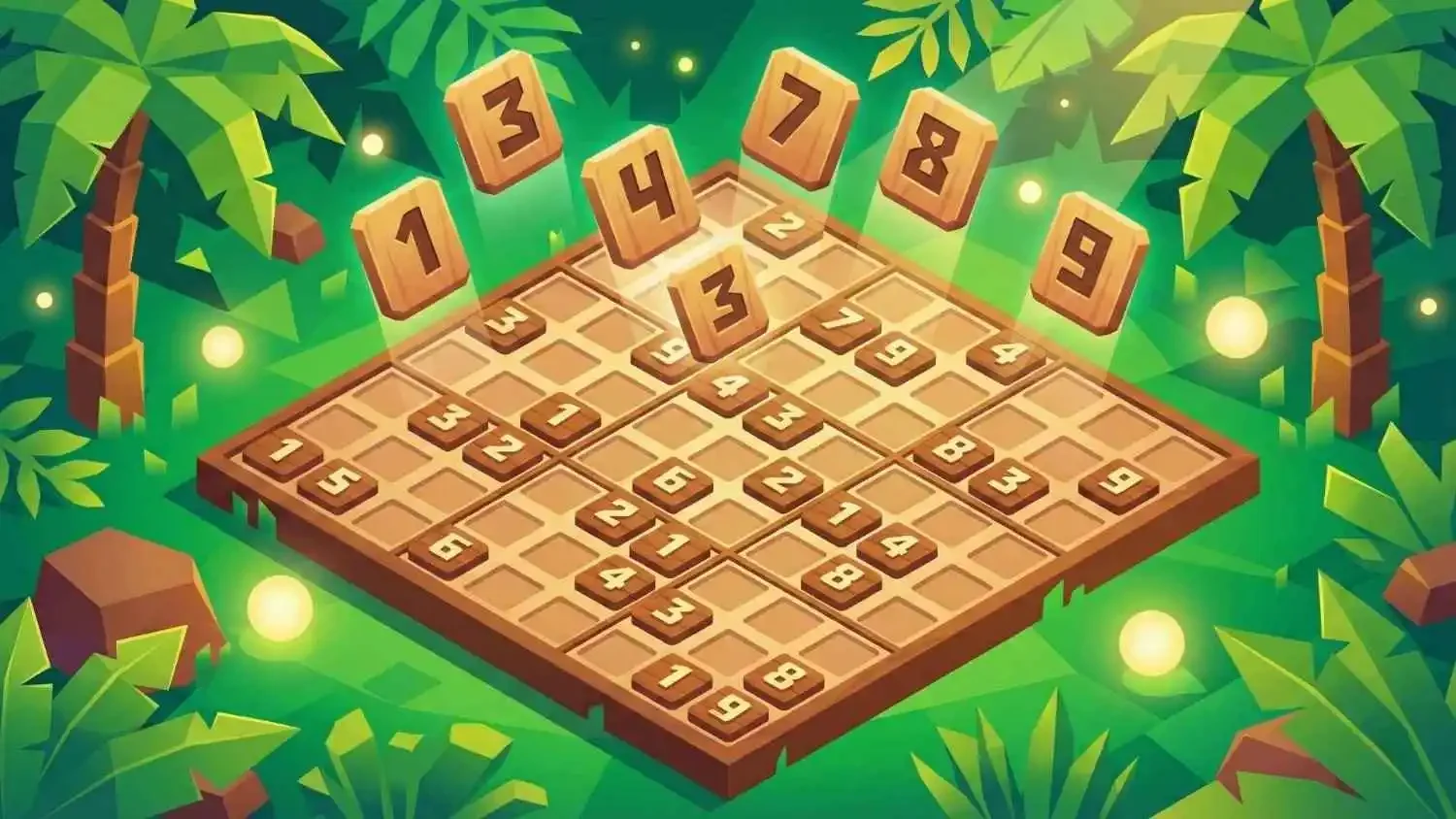
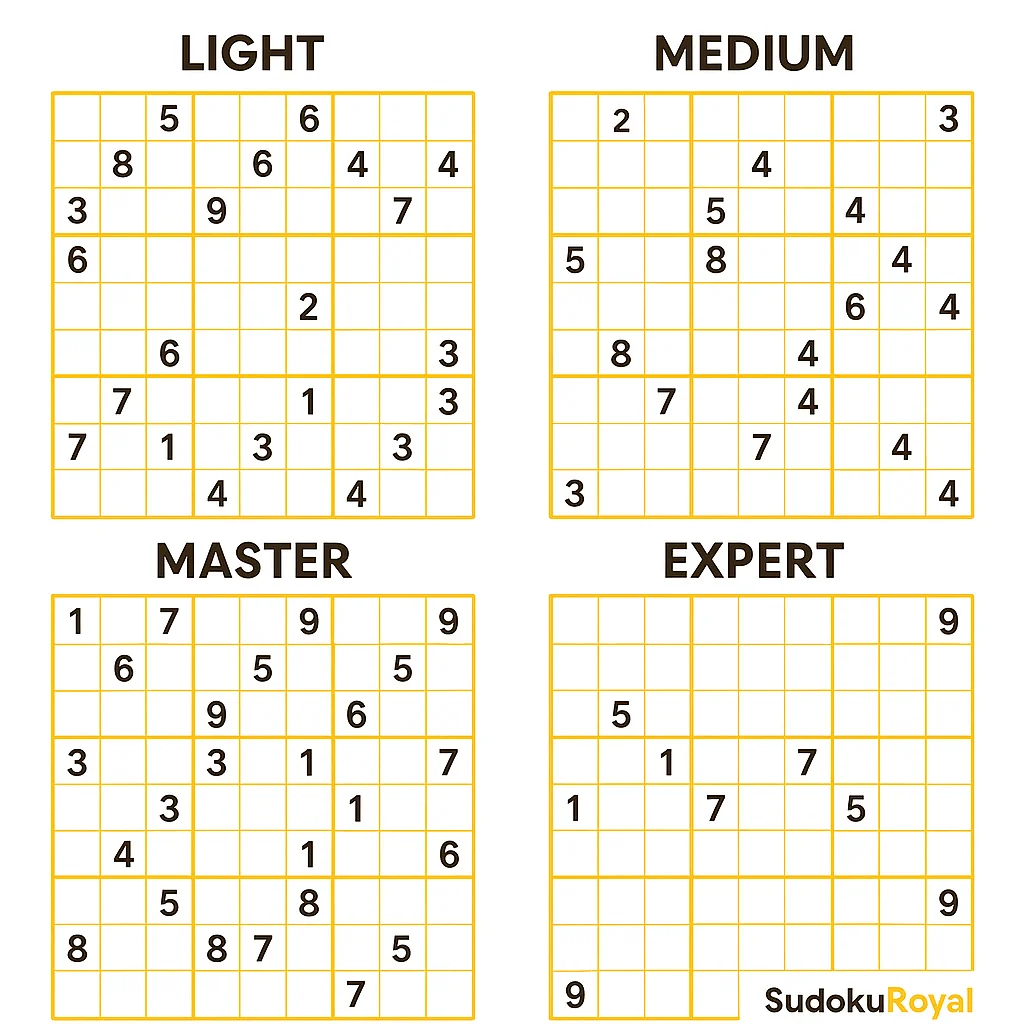
A standard Sudoku puzzle is a logic-based combinatorial number-placement puzzle. The objective is to fill a 9×9 grid with digits so that each column, each row, and each of the nine 3×3 subgrids that compose the grid (also called “boxes”, “blocks”, or “regions”) contain all of the digits from 1 to 9. The puzzle setter provides a partially completed grid, which for a well-posed puzzle has a single solution.
How to Solve a Standard Sudoku
1. **Fill in the Given Numbers**: Start by filling in the numbers that are already given in the puzzle.
2. **Use the Process of Elimination**: Look at each empty cell and eliminate numbers that cannot possibly go there based on the numbers already in the row, column, and 3×3 subgrid.
3. **Apply the Pigeonhole Principle**: If a certain number is missing in a row, column, or subgrid, it must be in the remaining empty cells in that row, column, or subgrid.
4. **Use Deductive Reasoning**: Deduce the placement of numbers based on logical deductions and patterns.
FAQs
1. **What is a standard Sudoku solver?**
A standard Sudoku solver is a tool or algorithm designed to automatically solve Sudoku puzzles, typically by applying various logical deduction techniques.
2. **How does a standard Sudoku solver work?**
A standard Sudoku solver works by using algorithms that can analyze the current state of the puzzle and apply logical rules to deduce the next possible number to be placed in the grid.
3. **What are some common techniques used in a standard Sudoku solver?**
Common techniques include trial and error, elimination, X-Wing, Swordfish, and other advanced strategies that can be applied to solve complex Sudoku puzzles.
4. **Can a standard Sudoku solver solve all Sudoku puzzles?**
While most standard Sudoku solvers can solve a wide range of puzzles, some highly complex or ill-posed puzzles may require human intervention or be beyond the capabilities of the solver.
5. **Are there different types of Sudoku solvers?**
Yes, there are various types of Sudoku solvers, ranging from simple trial-and-error solvers to complex algorithms that incorporate advanced techniques and heuristics.
6. **Can a standard Sudoku solver help improve my puzzle-solving skills?**
Using a standard Sudoku solver can help you understand the strategies and techniques used to solve puzzles. It can also serve as a tool for verification if you are unsure about your own solution.
7. **Are there any limitations to using a standard Sudoku solver?**
The main limitation is that a solver may not be able to solve certain puzzles that require human-like reasoning or are designed to be unsolvable by standard algorithms.
8. **How can I create a standard Sudoku puzzle?**
To create a standard Sudoku puzzle, you can start with a partially completed grid and then use Sudoku-solving techniques to find a valid solution, which you can then modify to create a new puzzle.
9. **What is the difference between a standard Sudoku and a jigsaw Sudoku?**
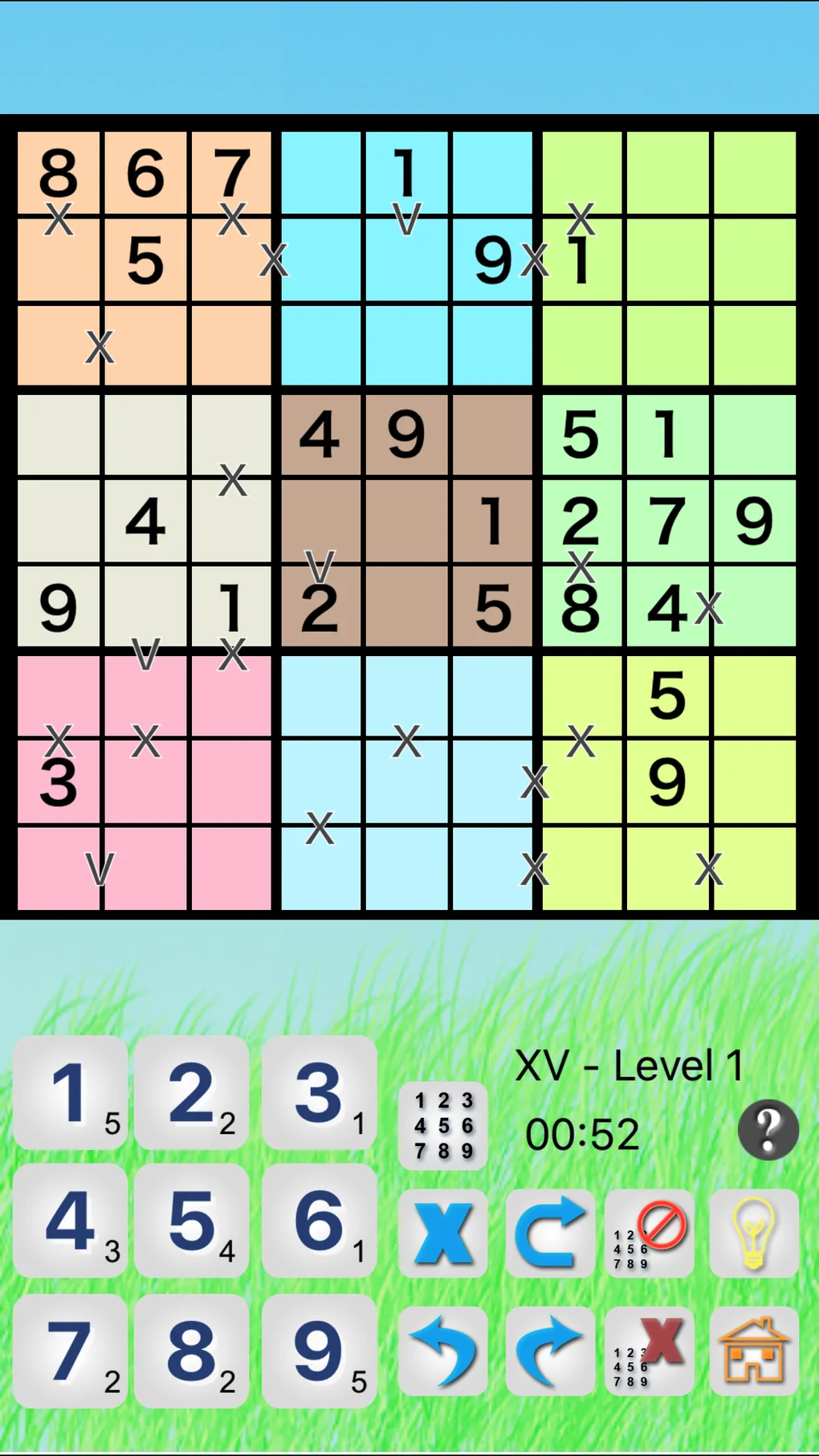
A standard Sudoku follows a grid format, while a jigsaw Sudoku adds a twist by replacing the traditional 3×3 subgrids with irregular shapes, making the puzzle more challenging.
10. **Can a standard Sudoku solver be used for educational purposes?**
Yes, a standard Sudoku solver can be a valuable educational tool for teaching logical reasoning and problem-solving skills.