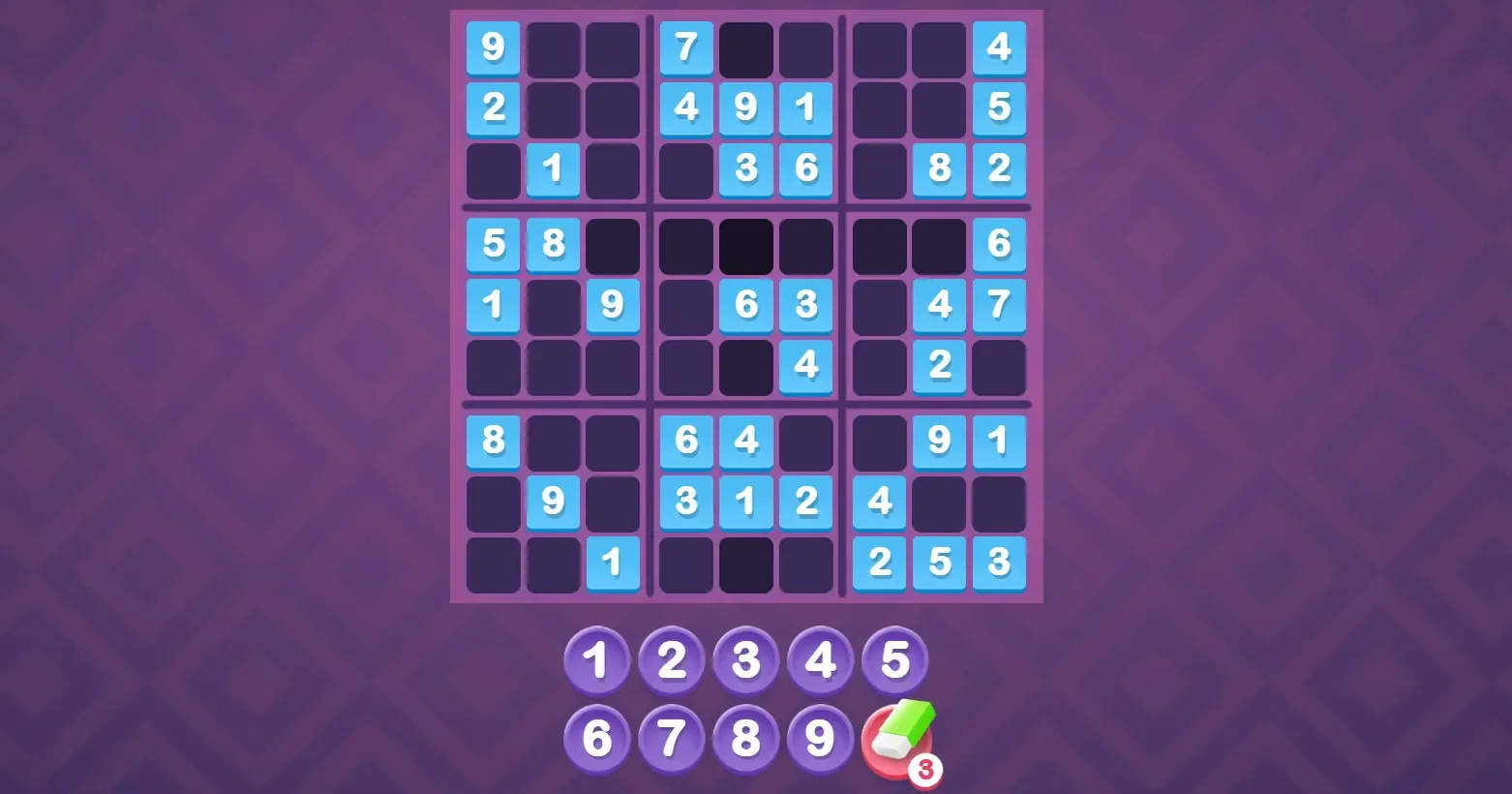
### Sudoku Identifying Triples: A Guide
#### Understanding Sudoku Triples
Sudoku, a popular logic-based puzzle, often presents challenges that require advanced techniques to solve. One such technique is identifying triples within the puzzle. A triple in Sudoku refers to a set of three cells that share a common relationship, such as being in the same row, column, or box. Recognizing and utilizing these triples can significantly simplify the solving process.
#### What Are Sudoku Triples?
A triple in Sudoku is a combination of three cells that can only contain three distinct numbers. These numbers are determined by the constraints of the Sudoku grid. For example, if a triple consists of cells (R1C1), (R1C2), and (R1C3), the possible numbers that can be placed in these cells are 1, 2, and 3, as they are the only numbers not already present in the row.
#### Identifying Triples
To identify triples, follow these steps:
1. **Examine Rows and Columns**: Look for rows or columns where only three cells are available for a particular number. These cells form a potential triple.
2. **Check Boxes**: Within a 3×3 box, if only three cells can potentially hold a particular number, they form a triple.
3. **Analyze Pairs**: Sometimes, identifying pairs of cells that can only contain two numbers will help you deduce the third number in the triple.
#### Using Triples to Solve Sudoku
Once you’ve identified a triple, use the following strategies:
1. **Eliminate Possibilities**: Since the triple can only contain three distinct numbers, eliminate these numbers from other cells in the same row, column, or box.
2. **Force a Conclusion**: If you’ve determined the numbers for the triple, you can also conclude that these numbers cannot be in other cells within the same row, column, or box.
3. **Progression**: Use the elimination and conclusion steps to progress through the puzzle, solving more cells and revealing more triples.
#### Frequently Asked Questions (FAQ)
**Q1: How do I know if a set of three cells forms a triple?**
A1: A set of three cells forms a triple if only those three cells can potentially hold a particular number, based on the Sudoku rules.
**Q2: Can a triple exist in more than one row, column, or box?**
A2: Yes, a triple can span across multiple rows, columns, or boxes, as long as the three cells share a common relationship (e.g., being in the same box).
**Q3: Is it necessary to use triples to solve a Sudoku puzzle?**
A3: While not necessary, identifying and using triples can make the solving process easier and faster by providing additional clues and reducing the number of possibilities in the puzzle.
**Q4: Can a triple be formed by cells that are diagonally adjacent?**
A4: No, triples are typically formed by cells that are horizontally or vertically adjacent within a row, column, or box.
**Q5: Are there different types of triples?**
A5: The primary type of triple in Sudoku is based on the shared relationship (row, column, or box). There are no different types based on the position of the cells within these relationships.