### Sudoku Solution: A Comprehensive Guide
#### Understanding Sudoku
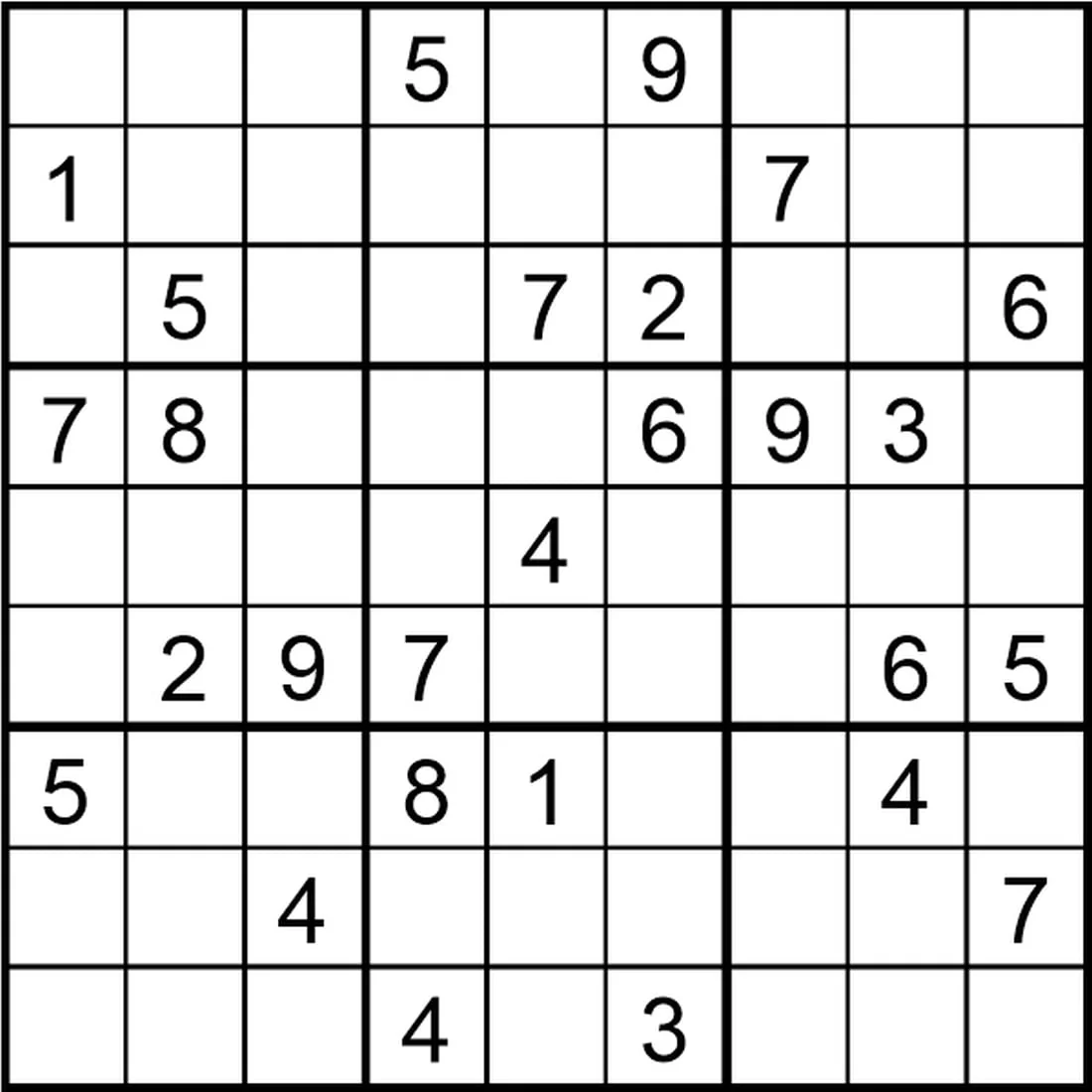
Sudoku is a popular puzzle game that requires players to fill a 9×9 grid with digits so that each column, each row, and each of the nine 3×3 subgrids that compose the grid (also called “boxes”, “blocks”, or “regions”) contain all of the digits from 1 to 9. The puzzle setter provides a partially completed grid, which for a well-posed puzzle has a single solution.
#### Solving Strategies
##### Basic Techniques
1. **Single Candidate**: Identify cells with only one possible number based on the given clues.
2. **Singletons**: Look for rows, columns, or boxes where only one cell can accommodate a particular number.
##### Advanced Techniques
1. **Pencilmarking**: Write potential candidates in small circles or boxes within the cells.
2. **Hidden Pair**: Find two cells in the same row, column, or box that can only contain two numbers. If these numbers are not in any other cell in the same row, column, or box, they must be placed there.
3. **X-Wing**: Identify rows or columns with two cells that can only contain two numbers. If these numbers do not appear elsewhere in the respective rows or columns, they must be placed there.
#### Step-by-Step Solution
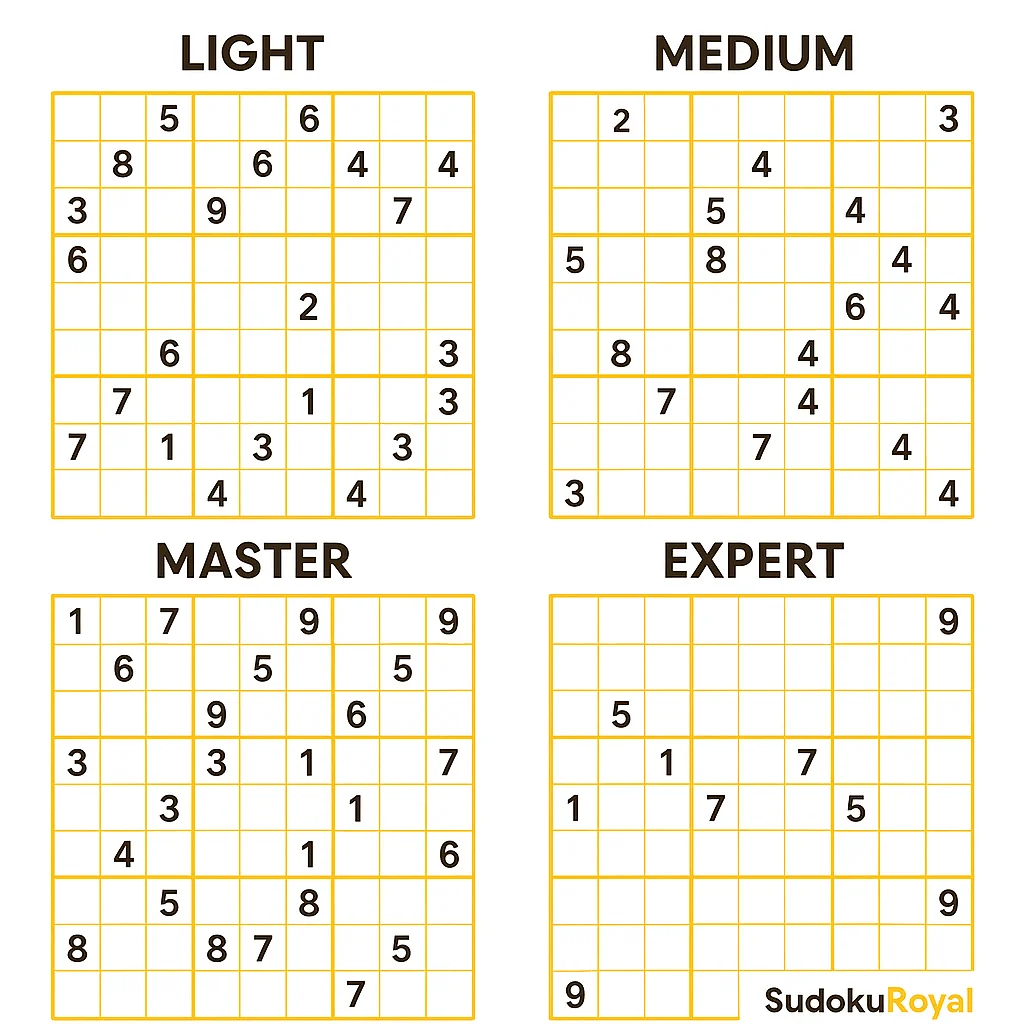
1. **Start with Easy Puzzles**: Begin with puzzles that have more clues to make the process easier.
2. **Fill in Easy Single Candidates**: Use the single candidate technique to fill in numbers where there’s only one possible choice.
3. **Look for Patterns**: Use the hidden pair and X-Wing techniques to find patterns that can help you place numbers in other cells.
4. **Eliminate Candidates**: Remove numbers from the pencilmarks as you fill in the grid to simplify future decisions.
5. **Repeat**: Continue the process until the grid is complete.
#### Frequently Asked Questions (FAQ)
**Q: What is the best way to start solving a Sudoku puzzle?**
A: Begin by filling in any cells with single candidates, as these are the easiest to solve.
**Q: How do I find hidden pairs in Sudoku?**
A: Look for two cells in the same row, column, or box that can only contain two numbers. If these numbers are not in any other cell in the same row, column, or box, they must be placed there.
**Q: Can I use a calculator to solve Sudoku?**
A: While a calculator can help with arithmetic, it’s not necessary for solving Sudoku, as the game relies on logical deduction rather than mathematical calculations.
**Q: Is there a difference between Sudoku and Kakuro?**
A: Yes, Sudoku is a number placement puzzle, while Kakuro is a combination of Sudoku and crosswords, requiring both number placement and arithmetic.
**Q: How can I improve my Sudoku-solving skills?**
A: Practice regularly, try different puzzle difficulties, and learn new techniques. You can also find online resources and communities to discuss strategies and get help.
**Q: Are there any online tools for solving Sudoku?**
A: Yes, there are many online Sudoku solvers and generators available that can help you solve puzzles or create your own.
#### Conclusion
Sudoku is a challenging and rewarding puzzle game that can be solved through logical reasoning and patience. By understanding the basic and advanced techniques, you can improve your solving skills and enjoy the satisfaction of completing a puzzle.