### Sudoku Program Creation Guide
#### Introduction
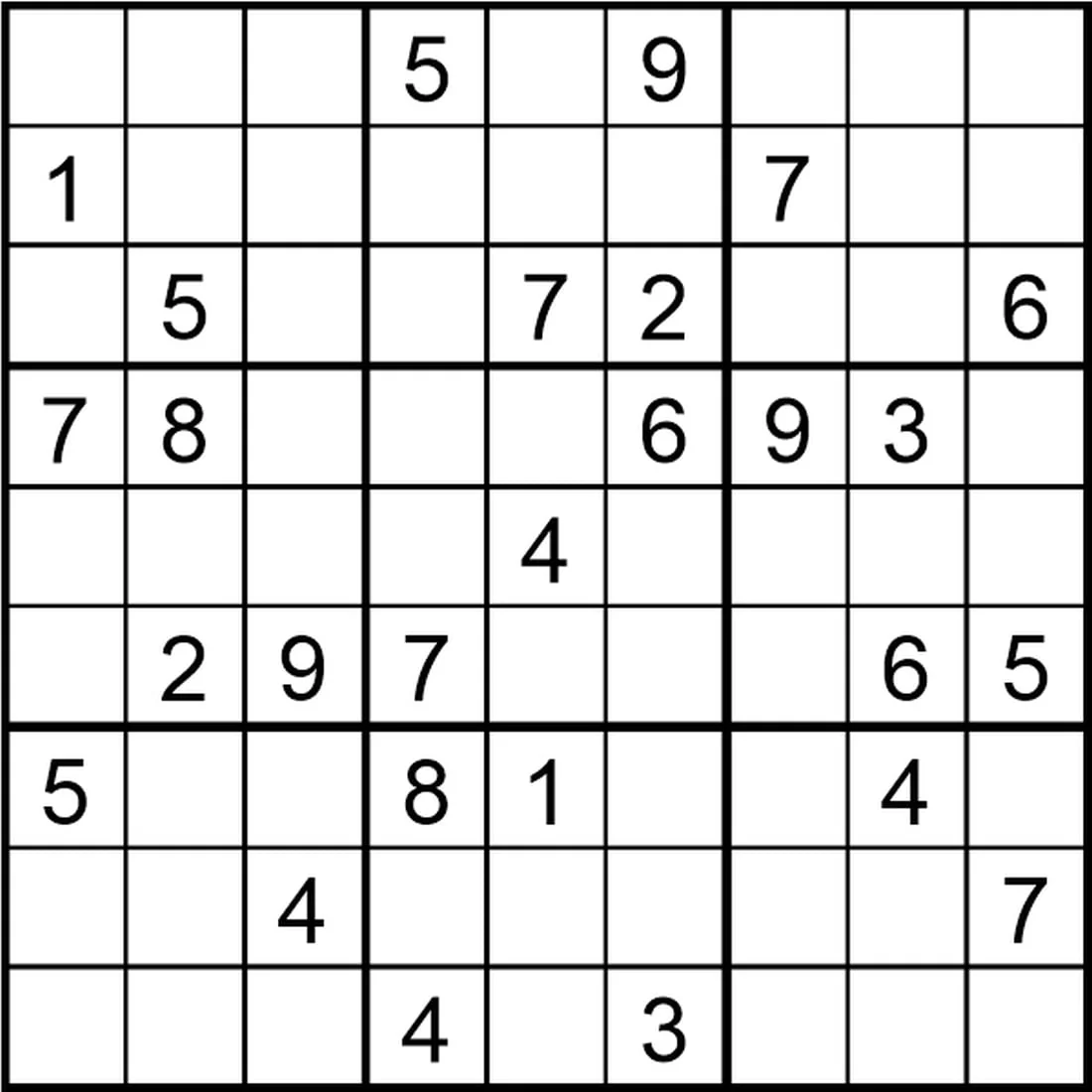
Creating a Sudoku program is a fascinating challenge that combines logic, algorithm design, and computer programming. Sudoku puzzles are a popular form of puzzle that require players to fill a 9×9 grid with digits so that each column, each row, and each of the nine 3×3 subgrids that compose the grid contain all of the digits from 1 to 9. In this guide, we will explore the steps and best practices to create a Sudoku program.
#### Step-by-Step Guide to Creating a Sudoku Program
1. **Define the Sudoku Grid Structure**
– Decide on the data structure to represent the Sudoku grid. A common choice is a 2D array or a 1D array with appropriate indexing.
– Initialize the grid with empty cells and possibly a pre-filled puzzle.
2. **Implement Input/Output Functions**
– Create functions to read a Sudoku puzzle from a file or user input.
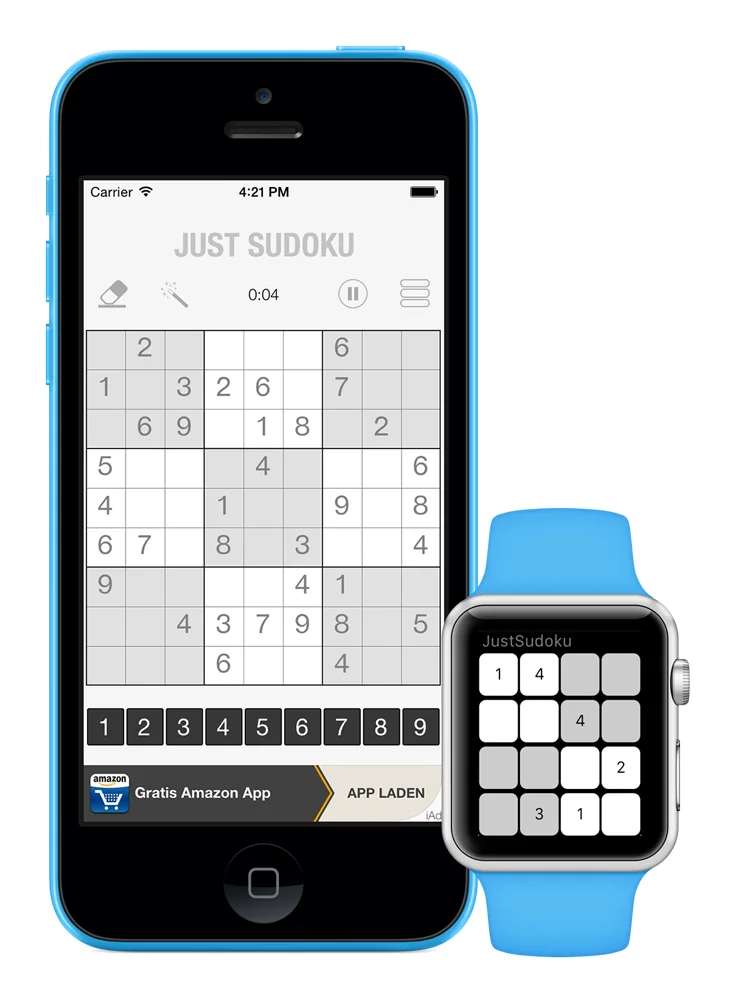
– Implement a function to display the Sudoku grid to the user.
3. **Develop the Sudoku Solver Algorithm**
– Choose an algorithm to solve the Sudoku puzzle. Common methods include backtracking, constraint propagation, and heuristic-based approaches.
– Implement the chosen algorithm in your program.
4. **Add User Interaction**
– Allow users to input their own Sudoku puzzles or choose from a predefined set of puzzles.
– Implement a user interface that provides feedback on the correctness of the user’s input.
5. **Test Your Program**
– Test your program with a variety of Sudoku puzzles to ensure it handles different scenarios and edge cases.
– Validate the solution using known answers or an external Sudoku solver.
6. **Optimize and Refine**
– Analyze the performance of your program and identify areas for optimization.
– Refine the algorithm and user interface for better user experience.
#### Frequently Asked Questions (FAQ)
**Q: What programming language should I use to create a Sudoku program?**
A: You can use any programming language that supports basic data structures and algorithms. Python, Java, C++, and JavaScript are popular choices due to their ease of use and extensive libraries.
**Q: What is the best algorithm for solving Sudoku?**
A: The best algorithm depends on the complexity of the Sudoku puzzles and your performance requirements. Backtracking is a simple and effective method for beginners, while constraint propagation and heuristic-based approaches can provide better performance for larger or more complex puzzles.
**Q: Can I create a Sudoku program that generates puzzles?**
A: Yes, you can create a Sudoku puzzle generator. This involves implementing an algorithm that can randomly create valid Sudoku puzzles with a specific difficulty level.
**Q: How can I validate the solution to a Sudoku puzzle?**
A: To validate a solution, you can run the algorithm on the completed puzzle and check if it reaches a solved state without any errors. Alternatively, you can compare the solution to a known correct answer.
**Q: Are there any Sudoku-solving techniques other than backtracking?**
A: Yes, there are several techniques, such as constraint propagation, which reduces the number of possibilities for each cell by enforcing the rules of Sudoku. Heuristic-based approaches, like the naked pair and hidden pair strategies, can also be used to solve Sudoku puzzles more efficiently.
#### Conclusion
Creating a Sudoku program is an engaging project that can enhance your programming skills and understanding of algorithms. By following this guide, you can develop a robust and efficient Sudoku solver that provides an enjoyable experience for users. Happy coding!