### Solving Sudoku Puzzles Step by Step
#### Step 1: Understand the Sudoku Grid
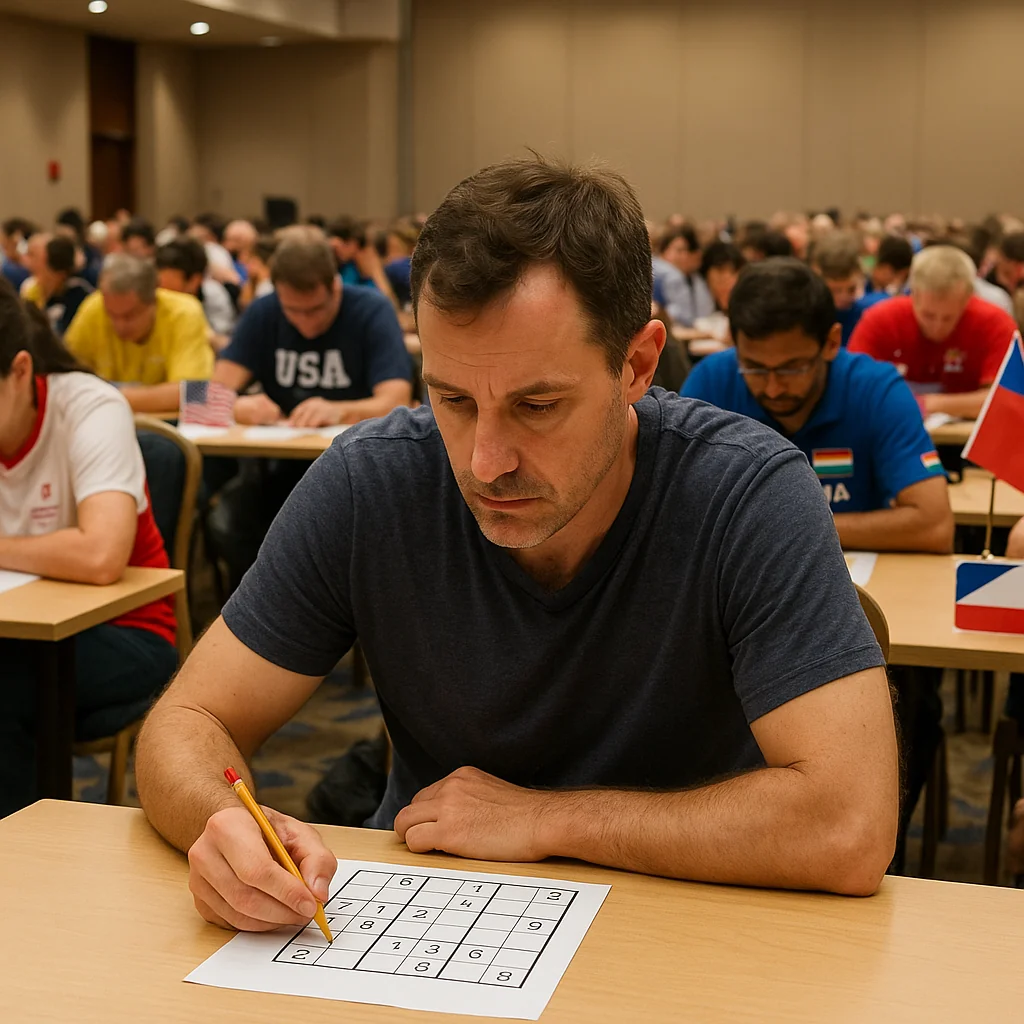
Sudoku is a logic-based combinatorial number-placement puzzle. The standard Sudoku grid is a 9×9 grid divided into nine 3×3 subgrids, also called “boxes” or “blocks.” Each row, column, and 3×3 subgrid must contain all of the digits from 1 to 9 without repetition.
#### Step 2: Start with Easy Clues
Begin by identifying the rows, columns, and 3×3 subgrids that have the most clues. These are the areas where you can make the most progress quickly. Look for rows or columns with only one or two missing numbers, as these are the easiest to solve.
#### Step 3: Use the Process of Elimination
If a number cannot go in a particular cell because it’s already present in the same row, column, or 3×3 subgrid, eliminate that number as a possibility for that cell. This process can help you narrow down the possibilities for each cell.
#### Step 4: Look for Pairs and Triples
Sometimes, you’ll find two or three cells in the same row, column, or 3×3 subgrid that can only contain two or three numbers. These are known as “pairs” and “triples.” Once you’ve identified these, you can eliminate those numbers from other cells in the same row, column, or subgrid.
#### Step 5: Use the X-Wing Technique
The X-Wing technique is a more advanced strategy used when two rows or columns have two cells each that can only contain two numbers. If these numbers are the same in both rows or columns, you can eliminate those numbers from all other cells in the intersecting rows or columns.
#### Step 6: Practice the Swordfish Technique
Similar to the X-Wing, the Swordfish technique involves four cells in two rows and two columns that can only contain two numbers. If these numbers are the same in both rows and columns, you can eliminate those numbers from all other cells in the intersecting rows and columns.
#### Step 7: Use the XY-Wing Technique
The XY-Wing technique is used when three cells in a row or column can only contain two numbers, and these numbers are shared with another row or column. If the third number in the shared row or column is the same as the third number in the original row or column, you can eliminate that number from the third cell.
#### Frequently Asked Questions (FAQ)
**Q: Can I use a calculator or a computer to solve Sudoku puzzles?**
A: While calculators and computers can solve Sudoku puzzles, the challenge and enjoyment of solving them manually are part of the experience. It’s recommended to solve Sudoku puzzles by hand to enhance your logical thinking skills.
**Q: Are there different levels of Sudoku puzzles?**
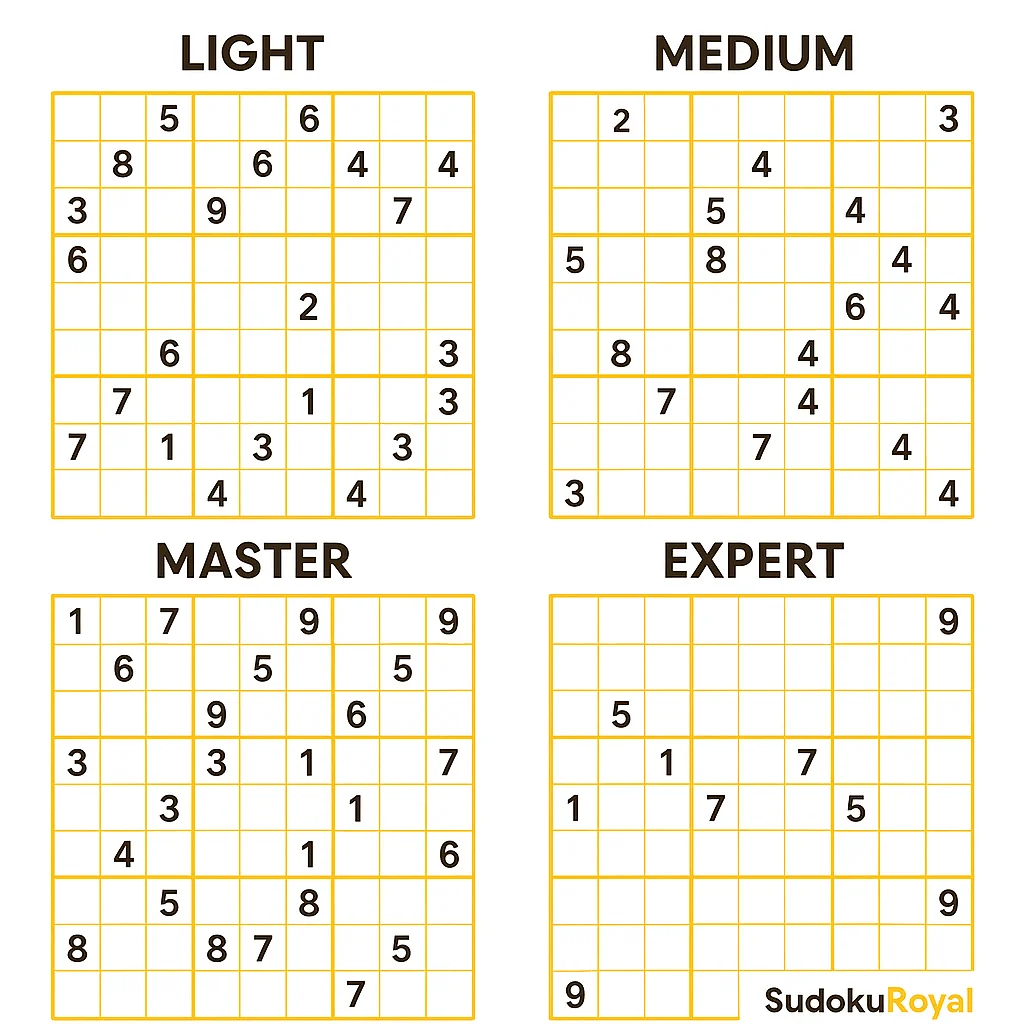
A: Yes, Sudoku puzzles come in various difficulty levels, from easy to expert. The number of clues provided in the grid determines the difficulty. Easy puzzles have many clues, while expert puzzles have very few.
**Q: Can I solve a Sudoku puzzle without any clues?**
A: It’s possible to solve a Sudoku puzzle without any clues, but it would require advanced techniques and a high level of expertise. Most Sudoku puzzles are designed with at least some clues to guide the solver.
**Q: Is there a specific order to solving Sudoku puzzles?**
A: While there’s no strict order, many solvers find it effective to start with rows and columns that have the most clues. This approach allows you to make the most progress early on and build confidence as you solve the puzzle.
**Q: Can I use a pencil to mark potential numbers in a Sudoku puzzle?**
A: Yes, it’s common practice to use a pencil to mark potential numbers in a Sudoku puzzle. This helps you keep track of possibilities without making permanent marks on the grid. Once you’ve confirmed a number, you can erase or cross out the other possibilities.