### Java Sudoku Solver Code: A Comprehensive Guide
#### Understanding Sudoku
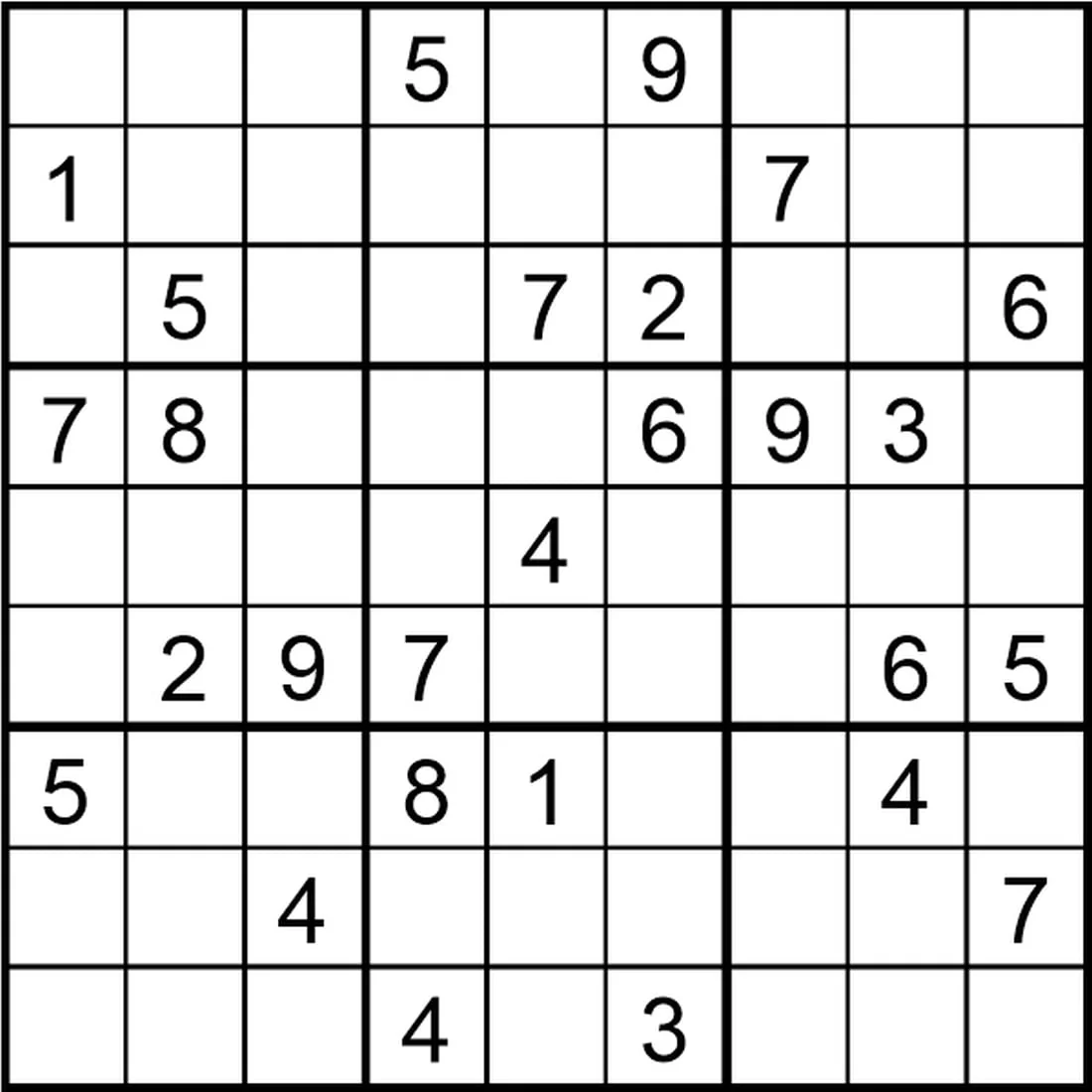
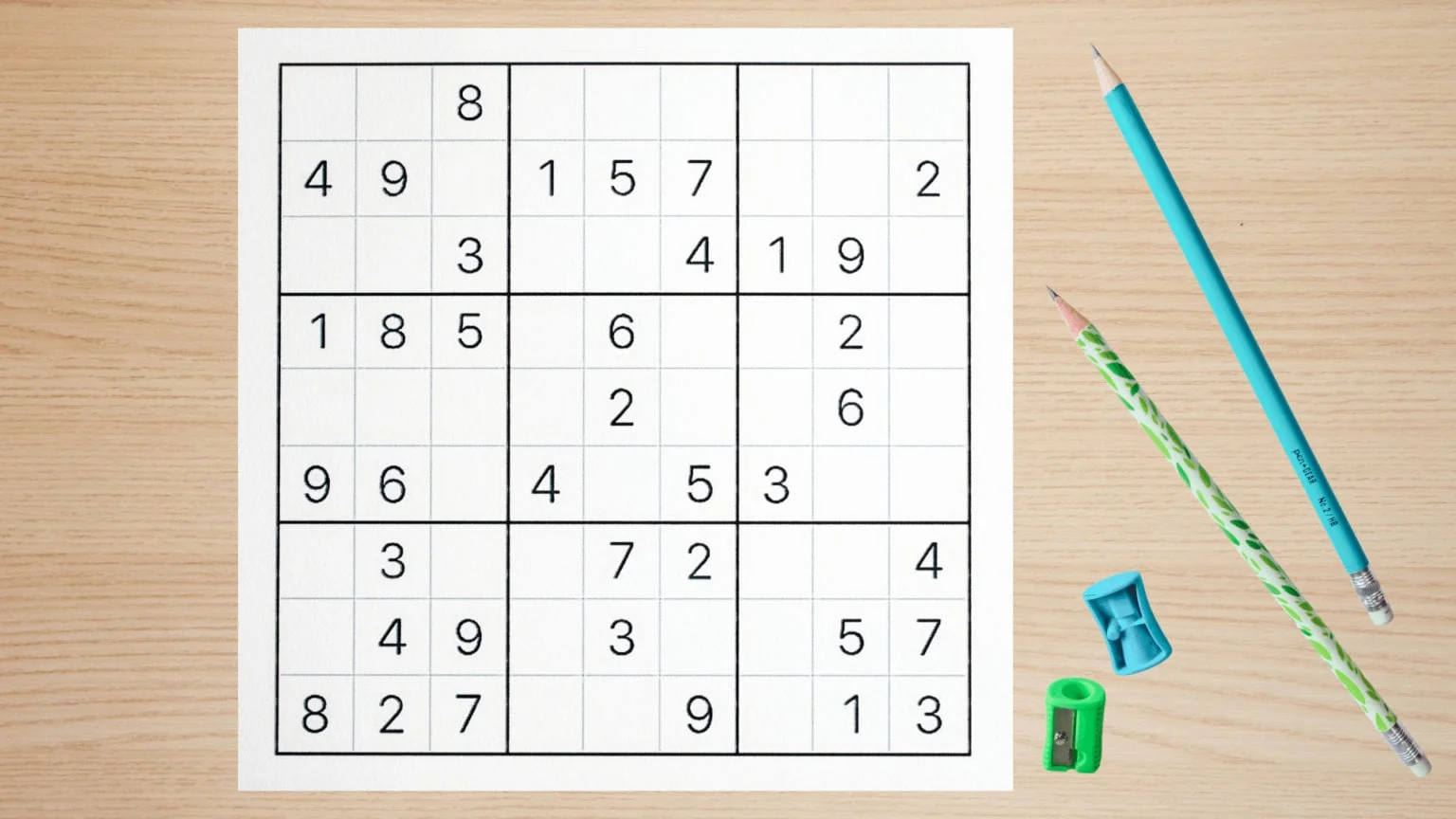
Sudoku is a popular puzzle game that involves a 9×9 grid. The objective is to fill the grid with digits so that each column, each row, and each of the nine 3×3 subgrids that compose the grid contain all of the digits from 1 to 9. The puzzle setter provides a partially completed grid, which for a well-posed puzzle has a single solution.
#### Java Sudoku Solver: An Overview
Java, being a versatile programming language, is well-suited for developing a Sudoku solver. The following Java code snippet demonstrates a simple yet effective way to solve Sudoku puzzles.
“`java
public class SudokuSolver {
public static void main(String[] args) {
int[][] board = {
{5, 3, 0, 0, 7, 0, 0, 0, 0},
{6, 0, 0, 1, 9, 5, 0, 0, 0},
{0, 9, 8, 0, 0, 0, 0, 6, 0},
{8, 0, 0, 0, 6, 0, 0, 0, 3},
{4, 0, 0, 8, 0, 3, 0, 0, 1},
{7, 0, 0, 0, 2, 0, 0, 0, 6},
{0, 6, 0, 0, 0, 0, 2, 8, 0},
{0, 0, 0, 4, 1, 9, 0, 0, 5},
{0, 0, 0, 0, 8, 0, 0, 7, 9}
};
if (solveSudoku(board)) {
printBoard(board);
} else {
System.out.println(“No solution exists.”);
}
}
public static boolean solveSudoku(int[][] board) {
for (int row = 0; row < 9; row++) {
for (int col = 0; col < 9; col++) {
if (board[row][col] == 0) {
for (int num = 1; num <= 9; num++) {
if (isValid(board, row, col, num)) {
board[row][col] = num;
if (solveSudoku(board)) {
return true;
} else {
board[row][col] = 0;
}
}
}
return false;
}
}
}
return true;
}
public static boolean isValid(int[][] board, int row, int col, int num) {
for (int i = 0; i < 9; i++) {
if (board[row][i] == num || board[i][col] == num) {
return false;
}
}
int boxRow = row - row % 3;
int boxCol = col - col % 3;
for (int i = boxRow; i < boxRow + 3; i++) {
for (int j = boxCol; j < boxCol + 3; j++) {
if (board[i][j] == num) {
return false;
}
}
}
return true;
}
public static void printBoard(int[][] board) {
for (int[] row : board) {
for (int num : row) {
System.out.print(num + " ");
}
System.out.println();
}
}
}
```
#### Frequently Asked Questions (FAQ)
**Q: How does the Sudoku solver work?**
A: The solver uses a backtracking algorithm to fill the Sudoku grid. It tries to place a number in an empty cell and checks if it's valid. If it's valid, it moves on to the next cell. If not, it backtracks and tries a different number.
**Q: Can the solver handle puzzles with multiple solutions?**
A: The current implementation only finds one solution. If a puzzle has multiple solutions, the solver will only return the first one it finds.
**Q: How can I customize the solver for different Sudoku puzzles?**
A: You can modify the `board` array in the `main` method to represent different Sudoku puzzles. The solver will attempt to solve the puzzle based on the provided grid.
**Q: Is the solver optimized for performance?**
A: The provided code is a basic implementation and may not be optimized for performance. For larger or more complex puzzles, consider using more advanced algorithms or data structures.
**Q: Can the solver be used in a real-world application?**
A: Yes, the solver can be used in various applications, such as games, educational tools, or as a component in a larger software system.