## How to Check If a Sudoku Board Has a Unique Solution
### Introduction
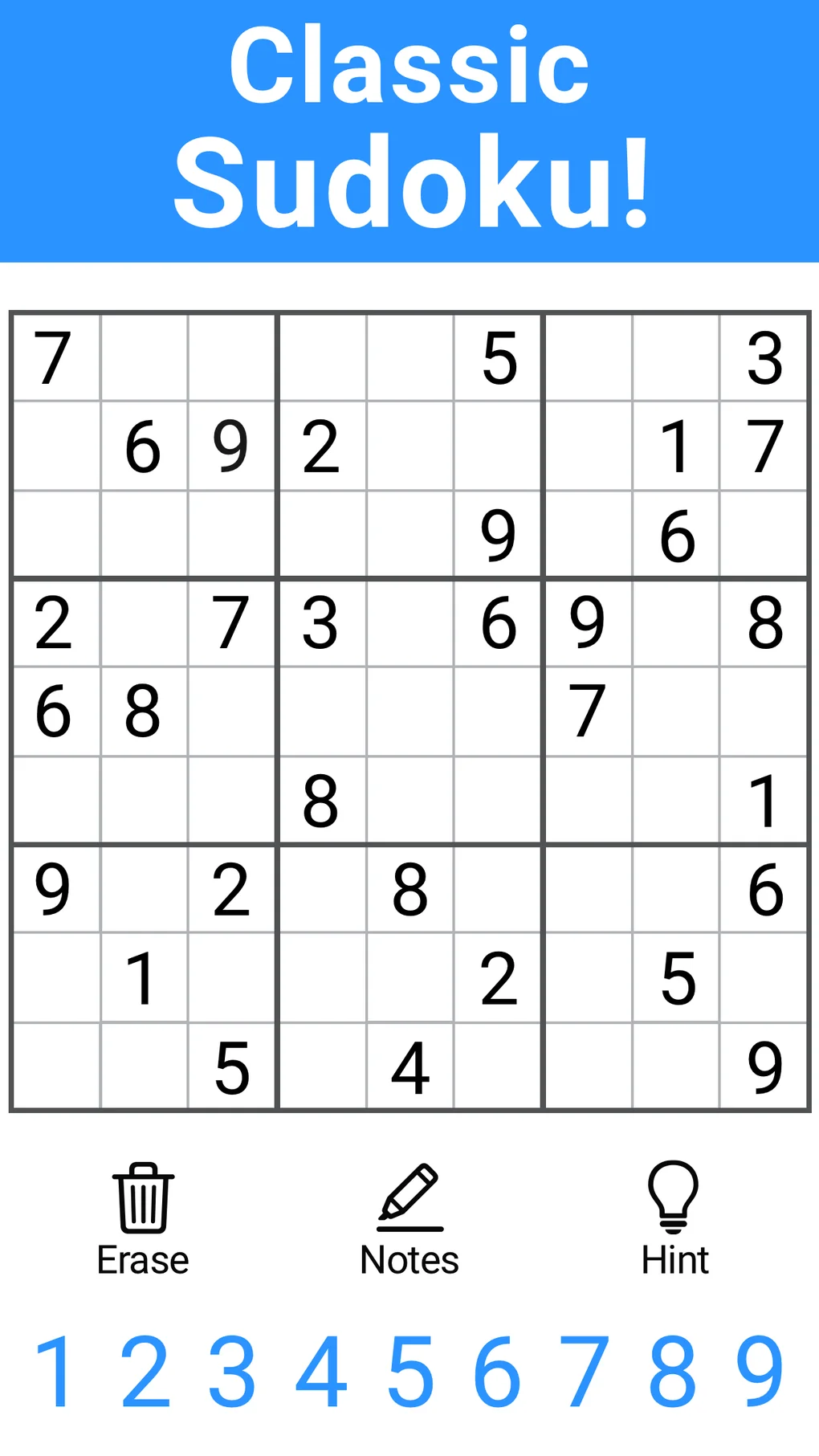
Sudoku, a popular puzzle game, involves filling a 9×9 grid with digits so that each column, each row, and each of the nine 3×3 subgrids that compose the grid contain all of the digits from 1 to 9. One of the key challenges in solving Sudoku is determining whether a given board configuration has a unique solution. This article explores various methods to check the uniqueness of a Sudoku board’s solution.
### Methods to Check for a Unique Solution
#### Method 1: Single Candidate Elimination
1. **Scan the Grid**: Go through each cell in the grid.
2. **Identify Candidates**: For each empty cell, determine which numbers can legally be placed there.
3. **Check for Uniqueness**: If a number appears as a candidate in only one cell within a row, column, or subgrid, then that number must be the correct value for that cell.
#### Method 2: Backtracking Algorithm
1. **Initialize the Board**: Start with the given Sudoku board configuration.
2. **Find Empty Cell**: Locate an empty cell (0 or another placeholder for an empty cell).
3. **Try Possible Values**: For each possible number, fill the empty cell and check for conflicts.
4. **Recursive Search**: If the board is still solvable after placing a number, recursively search for the next empty cell.
5. **Uniqueness Check**: If the algorithm terminates with a valid board, the solution is unique. If it reaches an invalid state or multiple solutions, the board does not have a unique solution.
#### Method 3: X-Wing and Swordfish Strategies
1. **Identify Patterns**: Look for patterns that suggest a certain number must be placed in a specific row or column.
2. **Eliminate Options**: Use these patterns to eliminate possibilities for other cells.
3. **Check Remaining Options**: If there is only one possibility left for a number in a row, column, or subgrid, then the board has a unique solution.
### Frequently Asked Questions (FAQ)
**Q: Can a Sudoku board with a single empty cell have a unique solution?**
A: Yes, if there is only one empty cell and the digits that can legally be placed in that cell do not conflict with any of the existing numbers on the board, there will be a unique solution.
**Q: How can I tell if a board is unsolvable?**
A: If you encounter a situation where no number can be placed in a cell without violating Sudoku rules, the board is unsolvable. This could be due to repeated numbers in a row, column, or subgrid, or if there is no valid number that can be placed in an empty cell.
**Q: Are there Sudoku boards without a unique solution?**
A: Absolutely. Some Sudoku puzzles are designed to have multiple solutions. This can occur if the initial setup of the board leaves more than one way to fill in the grid while still adhering to the rules.
**Q: What is the difference between a valid and a unique solution in Sudoku?**
A: A valid solution is one that adheres to all Sudoku rules. A unique solution is a valid solution where there is only one possible way to complete the board, excluding any other valid configurations.
By understanding these methods and strategies, you can effectively check whether a Sudoku board has a unique solution and solve puzzles with greater confidence.