# Sudoku for Beginners: A Comprehensive Guide
## Understanding Sudoku
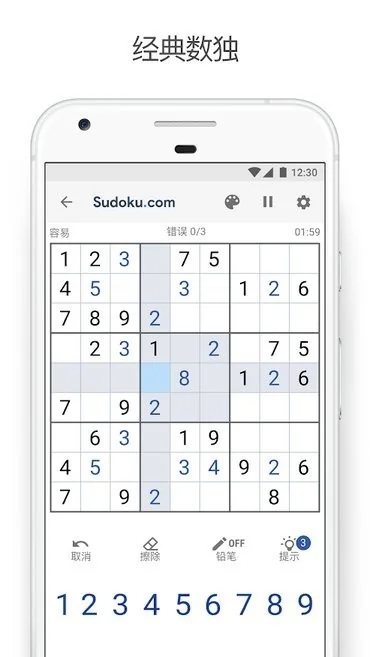
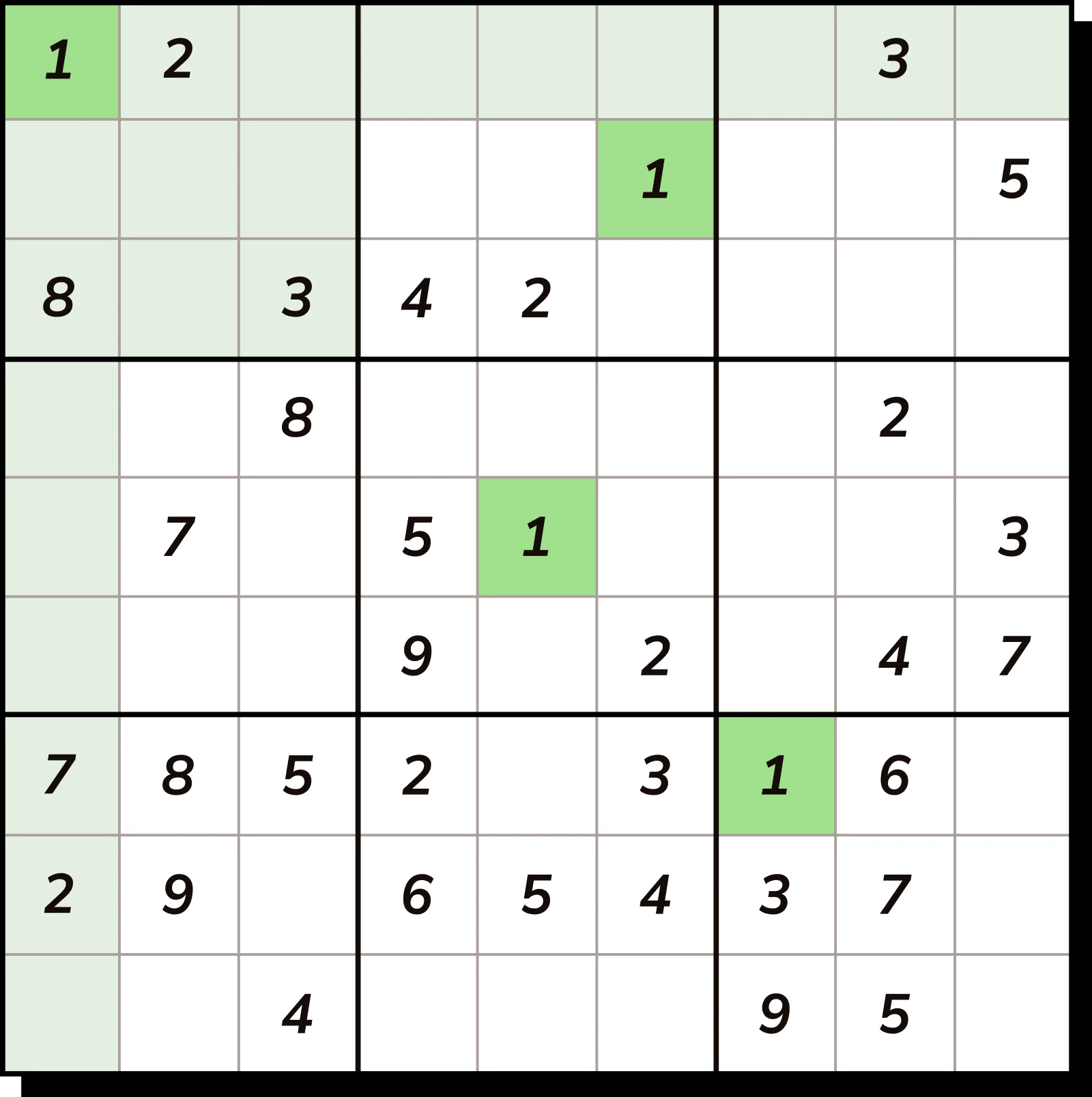
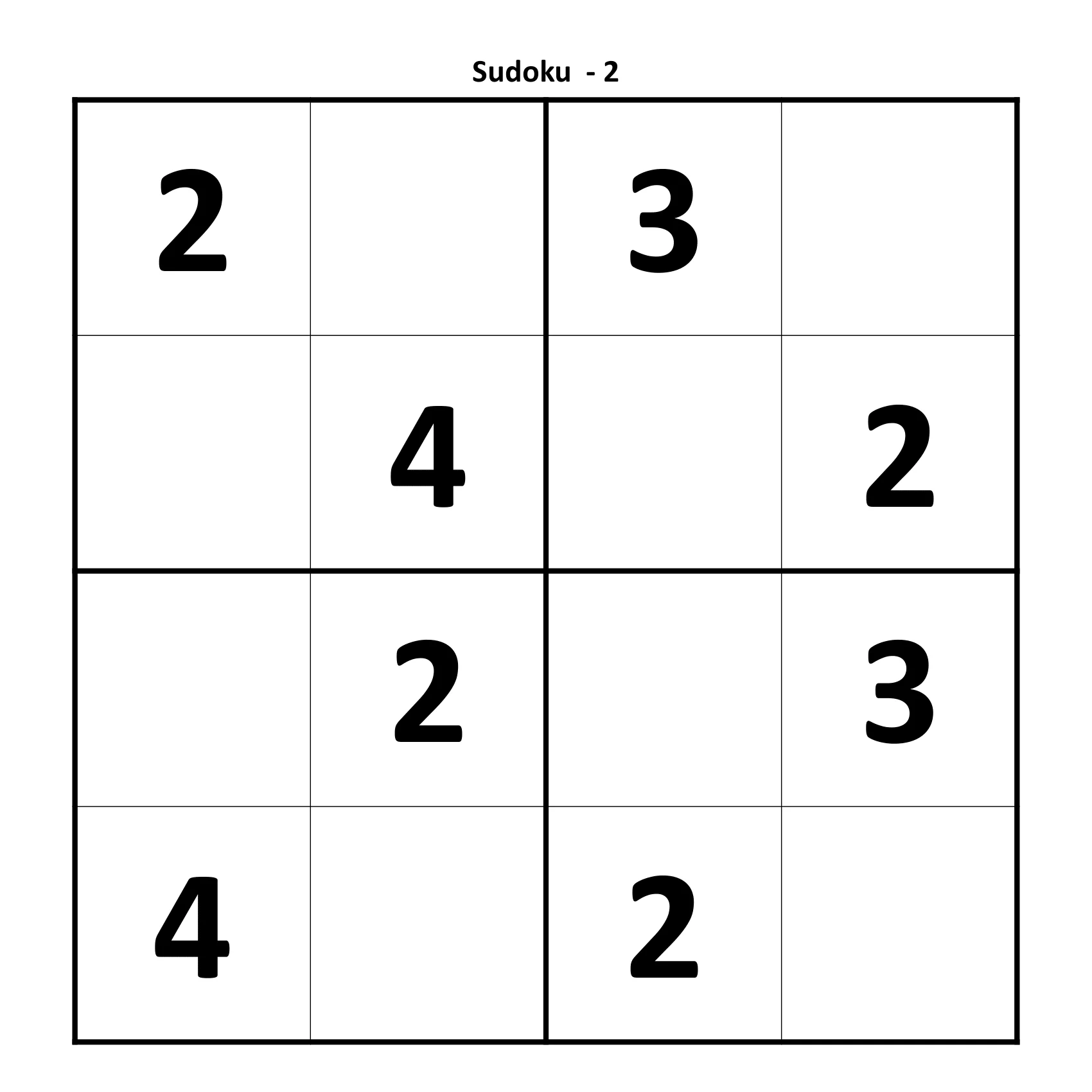
Sudoku is a popular logic-based combinatorial number-placement puzzle. It consists of a 9×9 grid, divided into nine 3×3 subgrids called “boxes,” “blocks,” or “regions.” The objective is to fill the grid with digits so that each column, each row, and each of the nine 3×3 subgrids that compose the grid (also called “boxes,” “blocks,” or “regions”) contains all of the digits from 1 to 9. The puzzle setter provides a partially completed grid, which for a well-posed puzzle has a single solution.
## How to Start
### What Do I Need?
Before diving into Sudoku, here’s what you need:
– A pen or pencil with a good eraser.
– A Sudoku grid (you can print one or download it from various sources online).
– A basic understanding of the rules (which we will cover in this article).
### The Basics
– **Numbers:** Each row, column, and 3×3 block must contain the numbers 1 through 9, without repetition.
– **Placement:** Start by placing the numbers in rows and columns that are easy to determine.
– **Strategy:** Use logical reasoning to fill in the numbers without guessing.
## Tips for Solving Sudoku
1. **Look for Rows and Columns:** Start by scanning each row and column for numbers that are already filled in. This will help you identify where a particular number is missing.
2. **Look for Boxes:** Check each 3×3 box to see if a particular number is missing. This can help you fill in numbers more quickly.
3. **Crosshatching:** Use the process of elimination to determine which numbers cannot go in certain squares. This is known as crosshatching.
4. **Guessing:** If you reach a point where you can’t fill in any more numbers, it’s okay to make a guess. Just be sure to mark the squares with a pencil and cross them out if your guess is incorrect.
## FAQs
### Q: How many Sudoku puzzles are there?
A: There are billions of unique Sudoku puzzles, assuming a well-posed puzzle is defined as one that has a single solution and does not require guessing.
### Q: What’s the difference between a well-posed puzzle and a poorly-posed puzzle?
A: A well-posed puzzle has a single solution, can be solved without guessing, and is not overly complex. A poorly-posed puzzle may require guessing, have multiple solutions, or be overly difficult.
### Q: Is Sudoku good for the brain?
A: Yes, Sudoku is a cognitive exercise that can help improve concentration, memory, and problem-solving skills. It is often recommended for individuals looking to maintain cognitive health.
### Q: How can I improve my Sudoku skills?
A: To improve your Sudoku skills, practice regularly, try solving more complex puzzles, and learn advanced strategies such as X-Wing and Swordfish.
### Q: Are there different types of Sudoku puzzles?
A: Yes, there are many types of Sudoku puzzles, including standard Sudoku, Sudoku X, and Samurai Sudoku. Each type has its unique characteristics and challenges.
By following these guidelines and practicing regularly, you can become an expert Sudoku solver in no time. Happy solving!