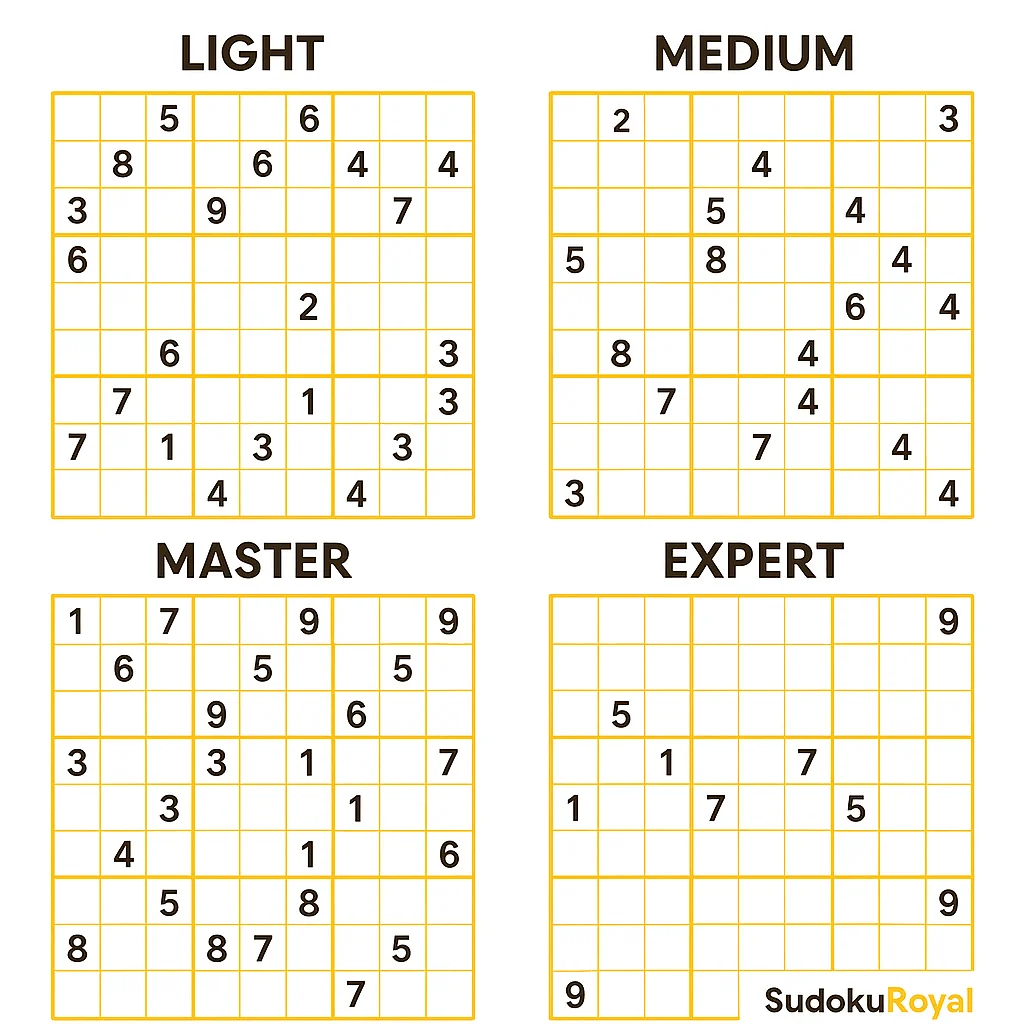
**Financial Times Sudoku: A Brief Guide to the World’s Most Popular Puzzles**
Sudoku is a popular puzzle game that has gained global recognition over the years. Originating from Japan, it has now become a staple in newspapers, magazines, and puzzle enthusiasts around the world. One of the most renowned sources for Sudoku puzzles is the Financial Times, offering challenging and engaging puzzles to puzzle enthusiasts of all levels.
**1. What is Sudoku?**
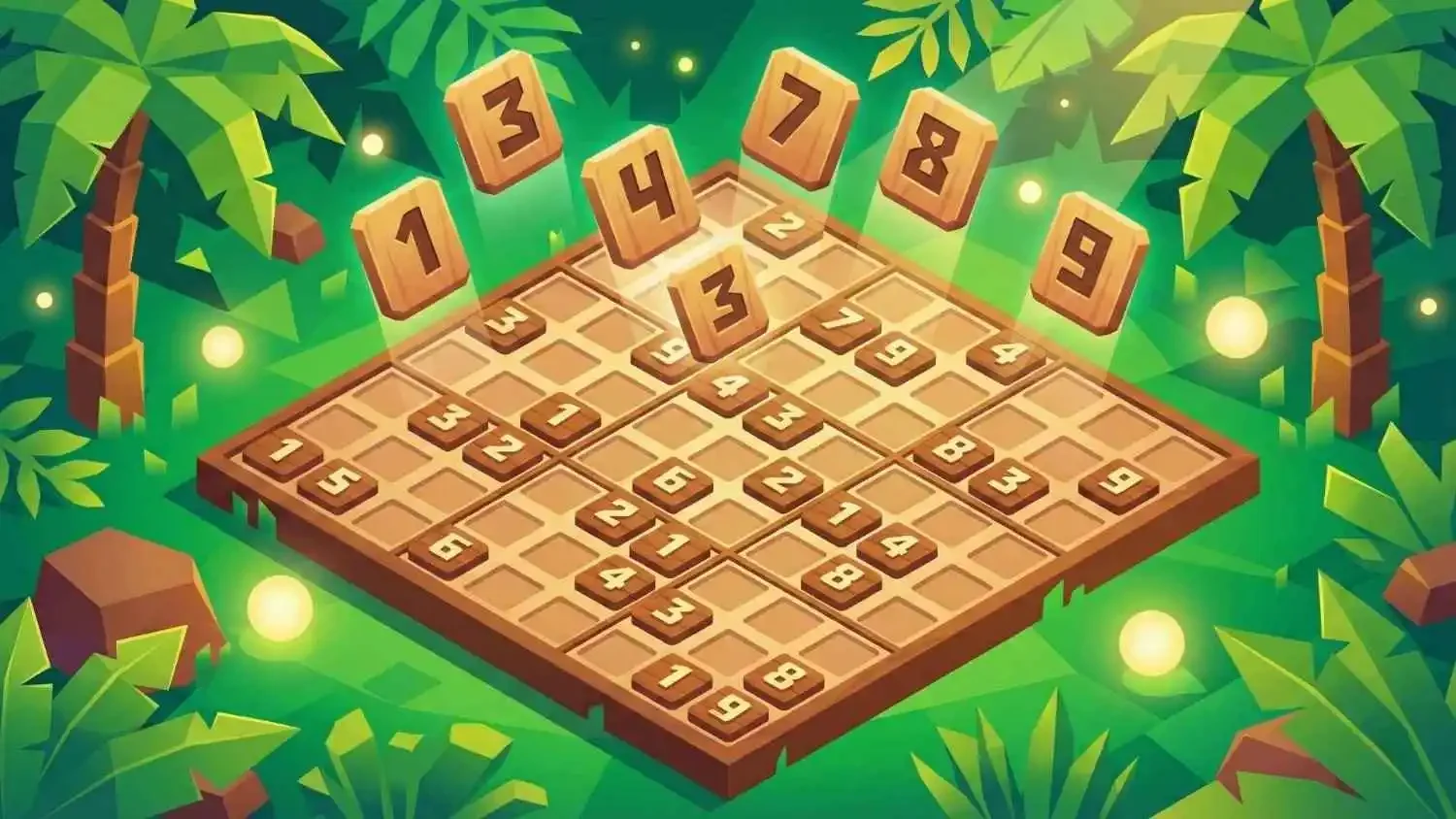
Sudoku is a logic-based combinatorial number-placement puzzle. The objective is to fill a 9×9 grid with digits so that each column, each row, and each of the nine 3×3 subgrids that compose the grid contain all of the digits from 1 to 9. The key to solving Sudoku is to use logical reasoning and the process of elimination.
**2. Why are Financial Times Sudoku Puzzles So Popular?**
Financial Times Sudoku puzzles are well-regarded for their difficulty and complexity. The puzzles are carefully crafted to challenge Sudoku enthusiasts of all skill levels. The Financial Times offers a range of puzzles, from easy to extremely difficult, catering to both beginners and seasoned puzzle solvers.
**3. How to Solve a Financial Times Sudoku Puzzle?**
Solving a Financial Times Sudoku puzzle involves a combination of logical reasoning and patience. Here are some tips to help you get started:
– **Start with Easy Puzzles:** If you’re new to Sudoku, start with easy puzzles to understand the rules and techniques.
– **Use the Process of Elimination:** Look for rows, columns, and 3×3 subgrids that contain missing numbers. Eliminate these numbers from other cells in the same row, column, or subgrid.
– **Look for Pairs and Triples:** Sometimes, you can identify pairs or triples of numbers that can only go in specific cells within a row, column, or subgrid.
– **Be Patient:** Sudoku puzzles require time and patience. Don’t rush the process; take your time to solve the puzzle.
– **Use a Grid Paper:** If needed, use a grid paper to keep track of potential numbers for each cell.
**4. Are There Different Types of Financial Times Sudoku Puzzles?**
Yes, Financial Times Sudoku puzzles come in various types, including:
– **Standard Sudoku:** The classic 9×9 grid with numbers from 1 to 9.
– **Diagonal Sudoku:** A variant where the numbers in the main diagonal must also contain all the digits from 1 to 9.
– **Killer Sudoku:** A more advanced variant that introduces additional constraints in the form of cages, which must contain the sum of the numbers within them.
– **Jigsaw Sudoku:** A puzzle that replaces the standard 3×3 subgrids with jigsaw-shaped regions, which must contain all the digits from 1 to 9.
**5. How Often Are Financial Times Sudoku Puzzles Updated?**
Financial Times Sudoku puzzles are updated daily, ensuring that puzzle enthusiasts have a fresh challenge every day. You can find the puzzles on the Financial Times website or in their printed newspaper.
**Frequently Asked Questions (FAQs)**
**Q: Can I play Financial Times Sudoku online?**
A: Yes, you can play Financial Times Sudoku online on their official website or in their mobile app.
**Q: What is the difficulty level of Financial Times Sudoku puzzles?**
A: Financial Times offers a range of difficulty levels, from easy to extremely difficult, catering to puzzle enthusiasts of all skill levels.
**Q: Are Financial Times Sudoku puzzles suitable for beginners?**
A: Yes, Financial Times Sudoku puzzles are suitable for beginners. You can start with the easy puzzles to understand the rules and techniques before moving on to more challenging puzzles.
**Q: Can I solve Financial Times Sudoku puzzles without a pen and paper?**
A: Yes, you can solve Financial Times Sudoku puzzles without a pen and paper by using the online or mobile app version, which allows you to mark potential numbers on the screen.
**Q: Are Financial Times Sudoku puzzles suitable for children?**
A: Yes, Financial Times Sudoku puzzles are suitable for children, as they help develop logical reasoning and problem-solving skills. However, ensure that the puzzles are appropriate for their age and skill level.