### How to Play Sudoku: A Comprehensive Guide
#### Sudoku Basics
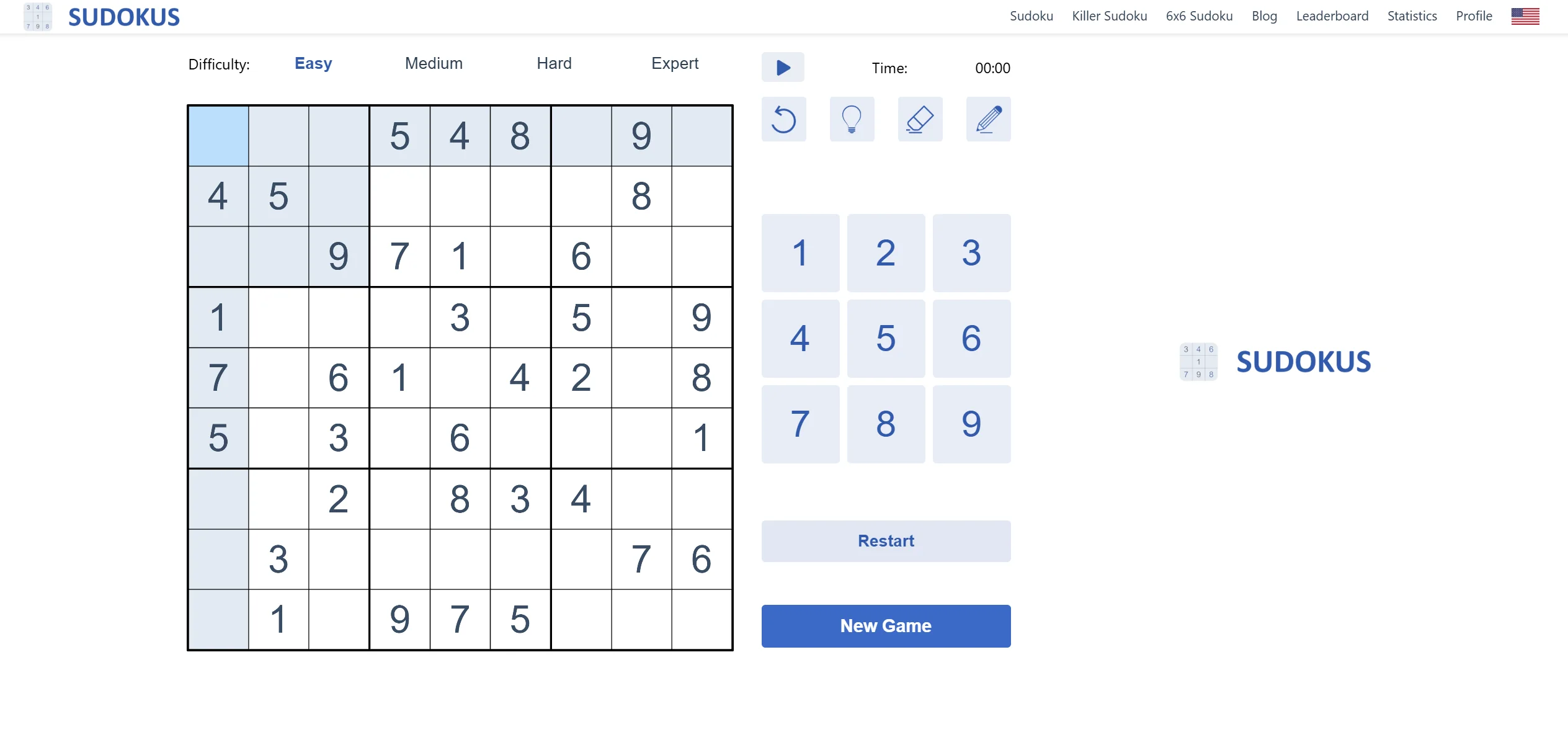
Sudoku is a popular puzzle game that involves filling a 9×9 grid with digits so that each column, each row, and each of the nine 3×3 subgrids that compose the grid (also called “boxes”, “blocks”, or “regions”) contain all of the digits from 1 to 9. Here’s a step-by-step guide to help you get started.
#### Step 1: Understand the Grid
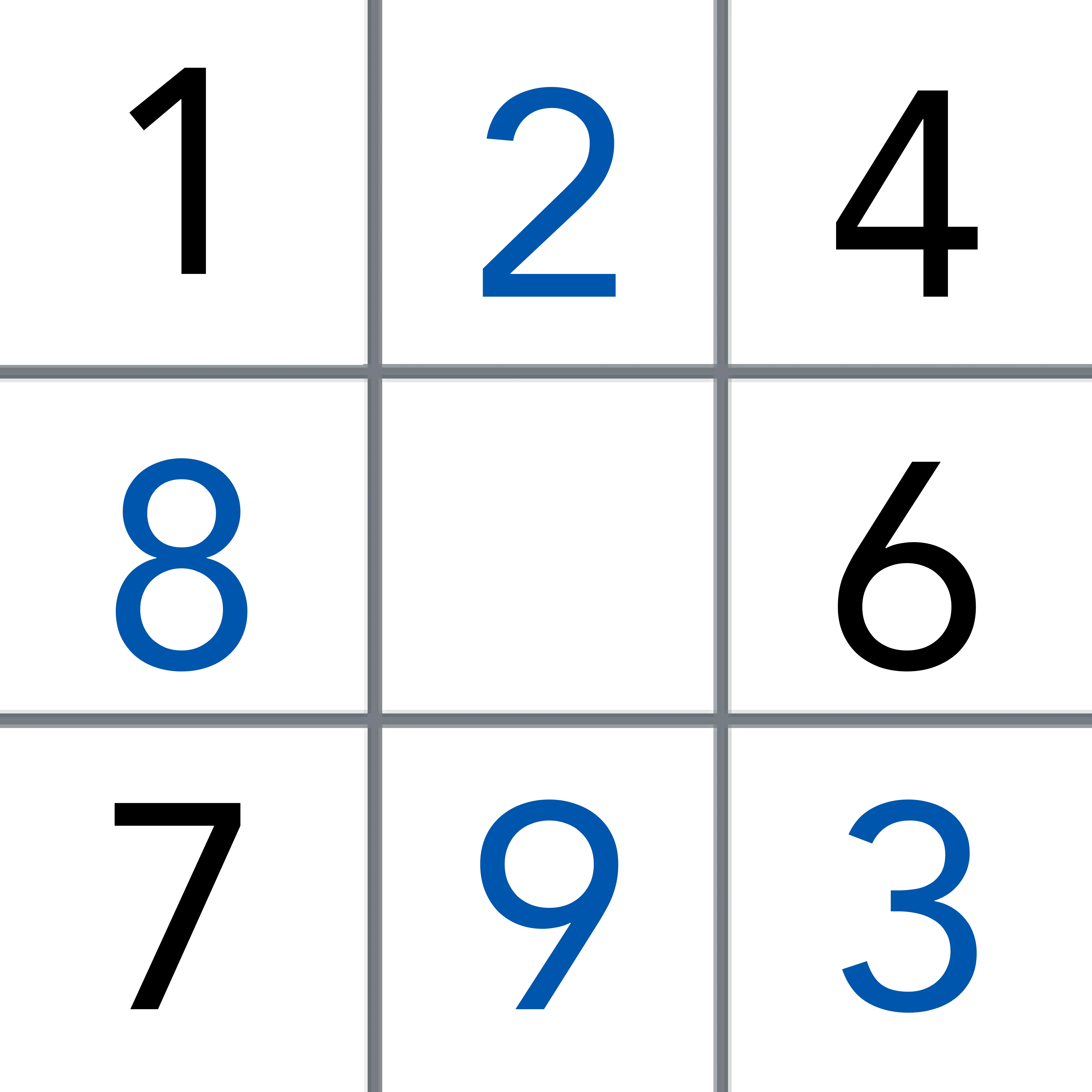
The Sudoku grid is divided into nine 3×3 subgrids. Each of these subgrids is a small 3×3 grid that helps in organizing the placement of numbers. Remember that each row, column, and subgrid must contain all the digits from 1 to 9 without repetition.
#### Step 2: Start with Easy Puzzles
If you’re new to Sudoku, it’s best to start with easier puzzles. These puzzles have fewer numbers filled in, which makes it easier to see where to place the remaining numbers.
#### Step 3: Identify the Missing Numbers
Look at the empty cells and try to identify which numbers are missing. Start with the numbers that are easy to spot, such as 1, 2, or 3, and then move on to the harder ones.
#### Step 4: Use the Process of Elimination
When you can’t place a number in a cell because it’s already present in the same row, column, or subgrid, use the process of elimination to determine the possible numbers for that cell.
#### Step 5: Apply Sudoku Strategies
There are several strategies you can use to solve Sudoku puzzles:
– **Single Candidate:** When only one number can fit in a cell based on the available numbers in the row, column, and subgrid.
– **Single Elimination:** When you can eliminate a number from a cell based on the fact that it cannot fit in any other cell in the same row, column, or subgrid.
– **Hidden Pair:** When two cells in the same row, column, or subgrid can only contain two possible numbers, and those numbers are the same in both cells.
#### Step 6: Practice Regularly
Like any skill, Sudoku becomes easier with practice. Try solving different puzzles regularly to improve your skills.
#### Frequently Asked Questions (FAQ)
**Q: Can I use a calculator to solve Sudoku?**
A: While you can use a calculator to perform calculations, Sudoku is a puzzle that requires logical reasoning and pattern recognition. Using a calculator may not help you develop these skills.
**Q: What if I get stuck while solving a Sudoku puzzle?**
A: If you’re stuck, take a break and come back to the puzzle later. Sometimes stepping away can help you see solutions that were previously hidden.
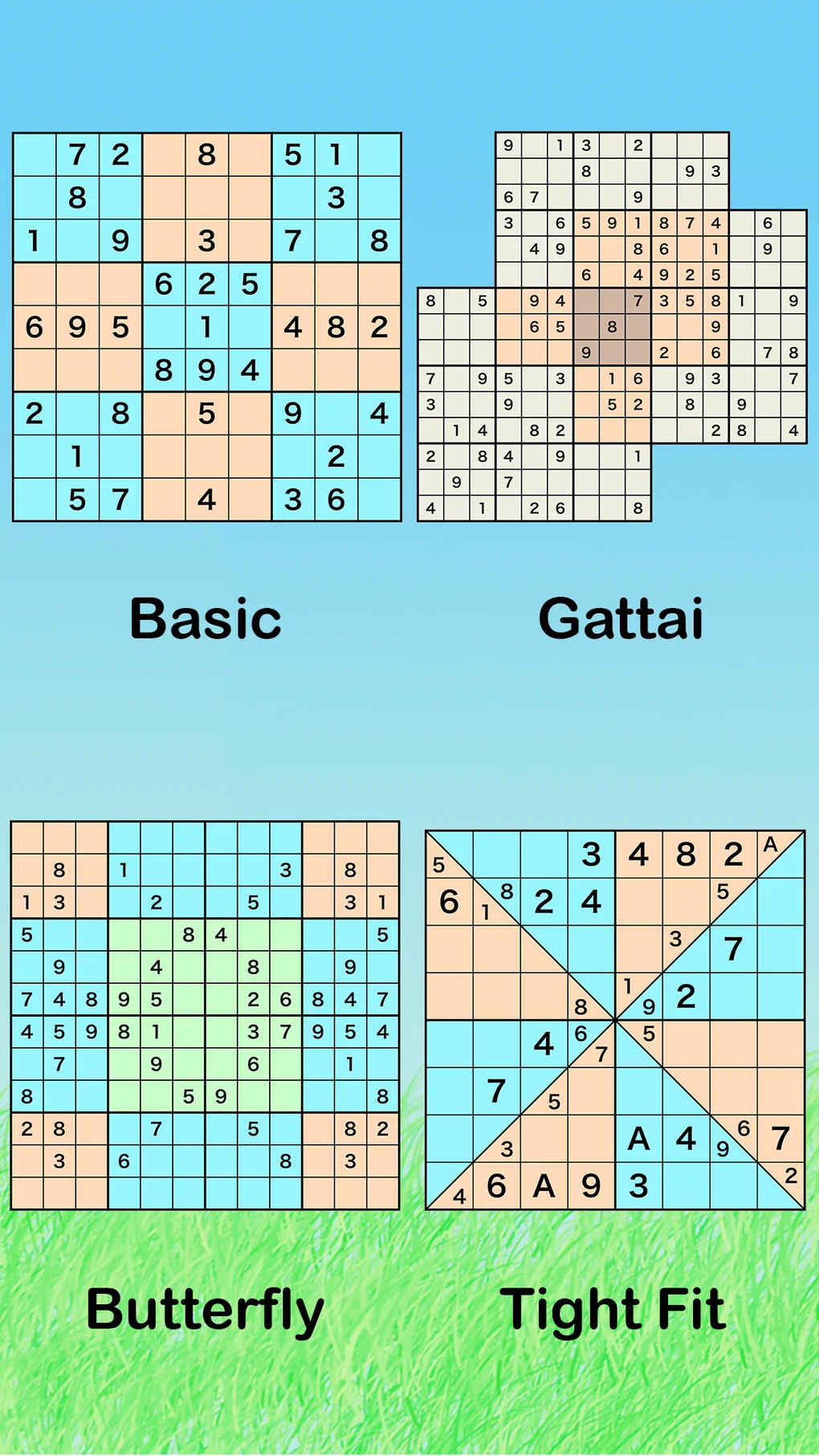
**Q: Are there different levels of Sudoku puzzles?**
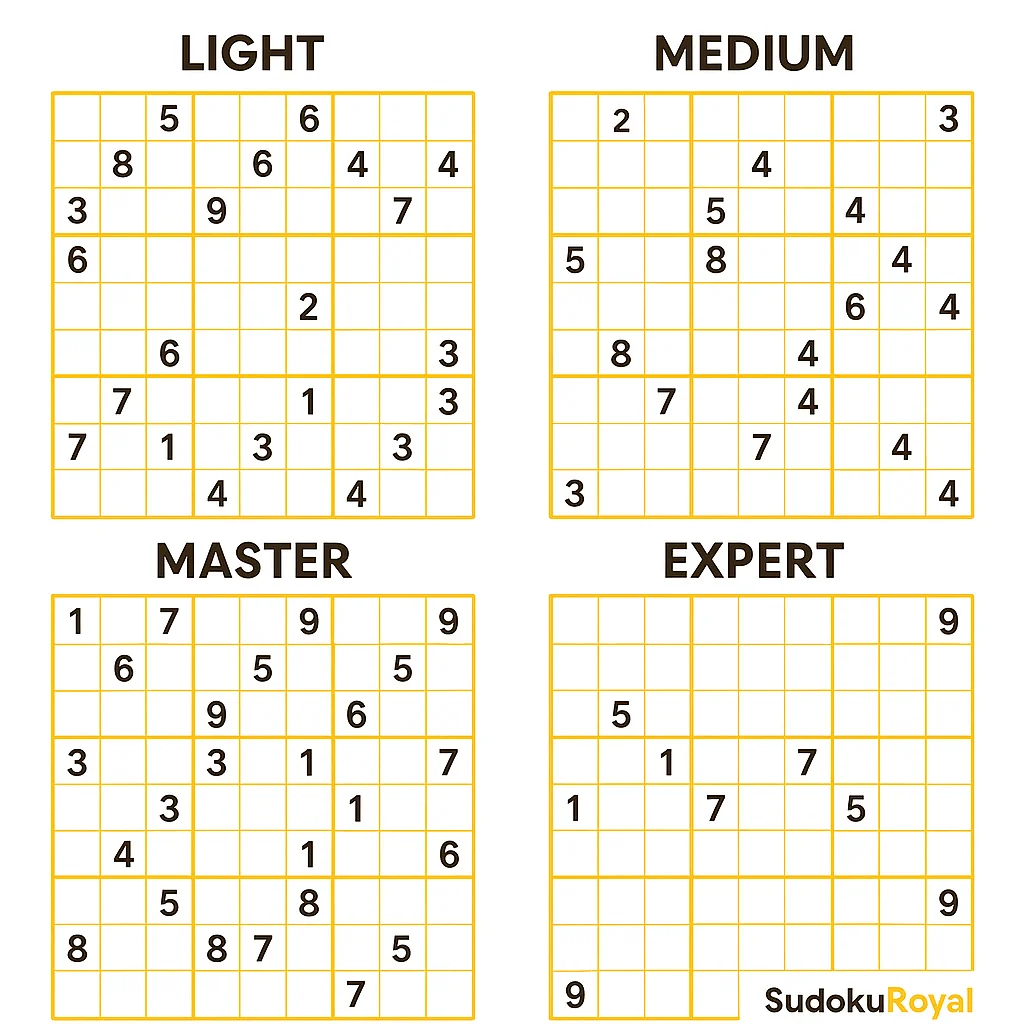
A: Yes, Sudoku puzzles come in various difficulty levels, from easy to expert. It’s important to start with easier puzzles and gradually move to more challenging ones as you improve.
**Q: Can I solve Sudoku puzzles on my phone?**
A: Absolutely! There are many Sudoku apps available for smartphones and tablets that offer a variety of puzzles and difficulty levels.
**Q: Is Sudoku good for the brain?**
A: Yes, Sudoku is known to be beneficial for cognitive functions, including memory, concentration, and problem-solving skills. Regularly solving Sudoku puzzles can help keep your brain active and healthy.