### Sudoku History: A Journey Through Numbers and Logic
#### The Evolution of Sudoku
Sudoku, a popular puzzle game, has a rich history that spans several decades. Its origins can be traced back to the 19th century, but it wasn’t until the late 20th century that it gained widespread popularity.
#### Early Roots: The Concept Emerges
The concept of Sudoku can be traced back to the early 19th century when a French mathematician named édouard Lucas created a similar puzzle called “Récréations Mathématiques.” This puzzle involved placing numbers in a grid, but it was not as structured as the modern Sudoku.
#### The Japanese Twist: Sudoku’s Popularity Soars
In the 20th century, a Japanese puzzle called “Sudoku” began to gain traction. The name “Sudoku” is derived from the Japanese words “su” (meaning “number”) and “doku” (meaning “single”). The game was introduced to Japan in 1984 by Nikoli, a Japanese puzzle company.
#### International Recognition
The Sudoku puzzle’s popularity quickly spread beyond Japan. In 2005, the puzzle became a global phenomenon, thanks in part to its inclusion in The Times newspaper in the UK. This marked the beginning of Sudoku’s international acclaim.
#### How Sudoku Works
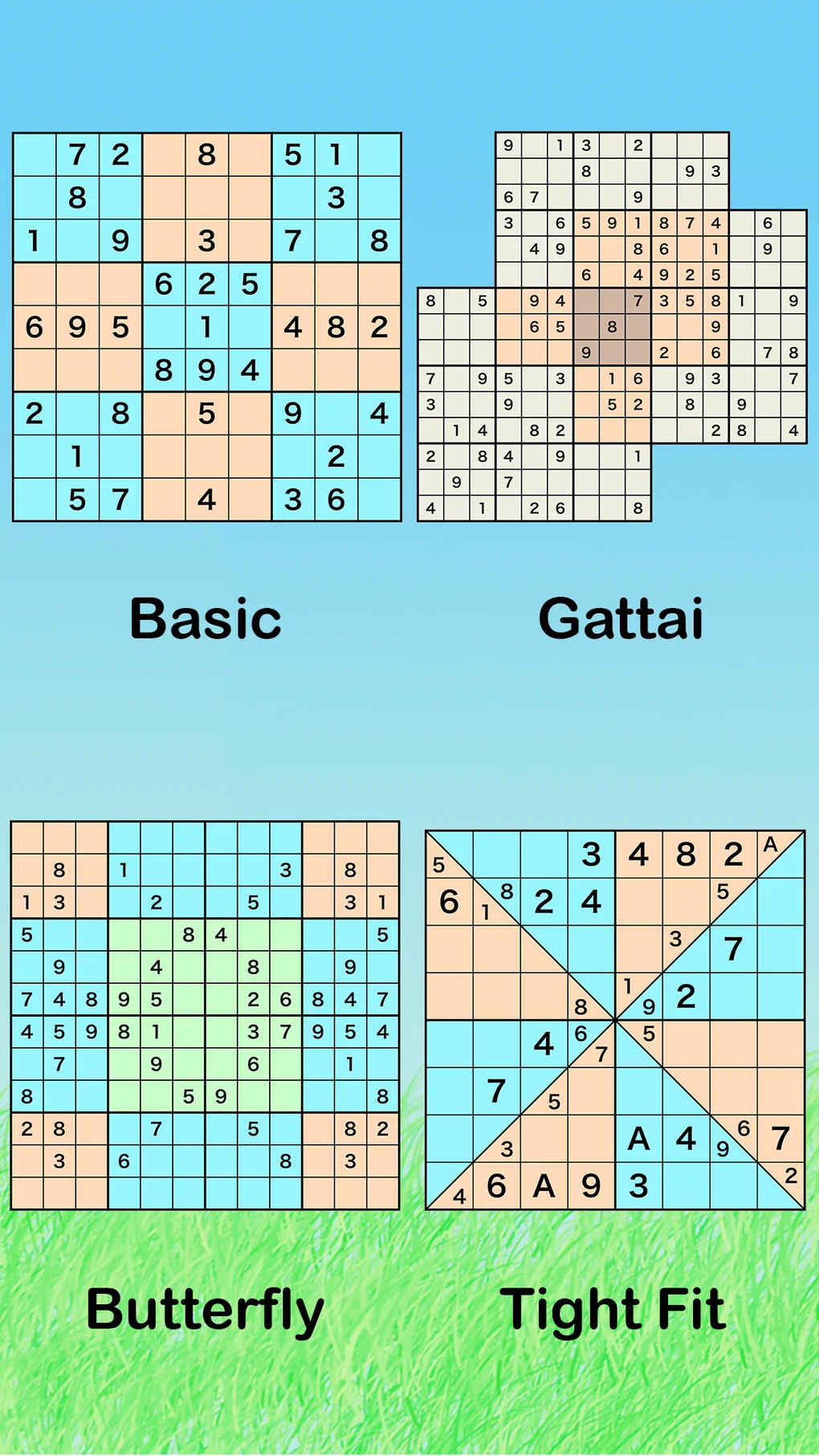
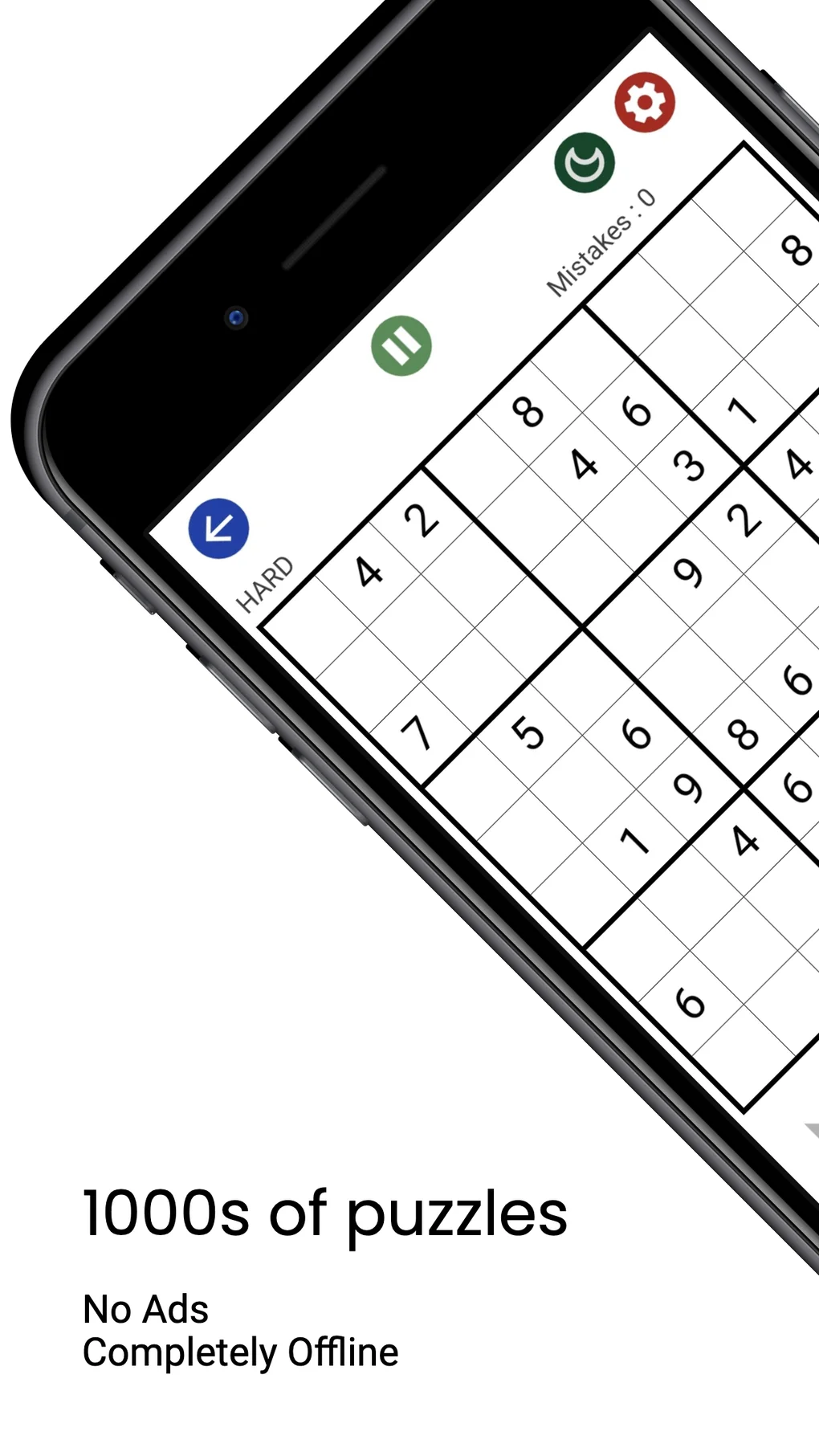
Sudoku is played on a 9×9 grid, divided into nine 3×3 subgrids called “boxes.” The objective is to fill the grid with numbers from 1 to 9 so that each row, each column, and each box contains all of the digits from 1 to 9 without repetition.
#### FAQs
**Q: What is Sudoku?**
A: Sudoku is a logic-based, combinatorial number-placement puzzle. The objective is to fill a 9×9 grid with digits so that each column, each row, and each of the nine 3×3 subgrids that compose the grid contain all of the digits from 1 to 9.
**Q: How did Sudoku originate?**
A: Sudoku originated in the 19th century with the French puzzle “Récréations Mathématiques.” It gained popularity in Japan in the 20th century and was introduced to the rest of the world in the early 21st century.
**Q: What is the significance of the 3×3 boxes in Sudoku?**
A: The 3×3 boxes are crucial to Sudoku as they ensure that each row, column, and box contains all of the digits from 1 to 9 without repetition. This structure adds complexity and depth to the puzzle.
**Q: Is Sudoku a good way to improve cognitive skills?**
A: Yes, Sudoku is known to enhance cognitive skills such as logical reasoning, pattern recognition, and memory. Regularly solving Sudoku puzzles can contribute to mental acuity and problem-solving abilities.
**Q: Are there different types of Sudoku puzzles?**
A: Yes, there are various types of Sudoku puzzles, including standard Sudoku, X-Wing, Swordfish, and more. Each type introduces additional constraints or patterns that make the puzzle more challenging.
**Q: Can Sudoku be solved using a computer algorithm?**
A: Yes, Sudoku can be solved using computer algorithms. These algorithms can solve any valid Sudoku puzzle by systematically placing numbers in the grid based on the rules of Sudoku.
**Q: Is Sudoku a competitive sport?**
A: Yes, Sudoku has been recognized as a competitive sport. The World Sudoku Championship is an annual event where participants compete to solve Sudoku puzzles in the shortest time possible.