### Sudoku Game Programming Logic
#### Understanding the Basics
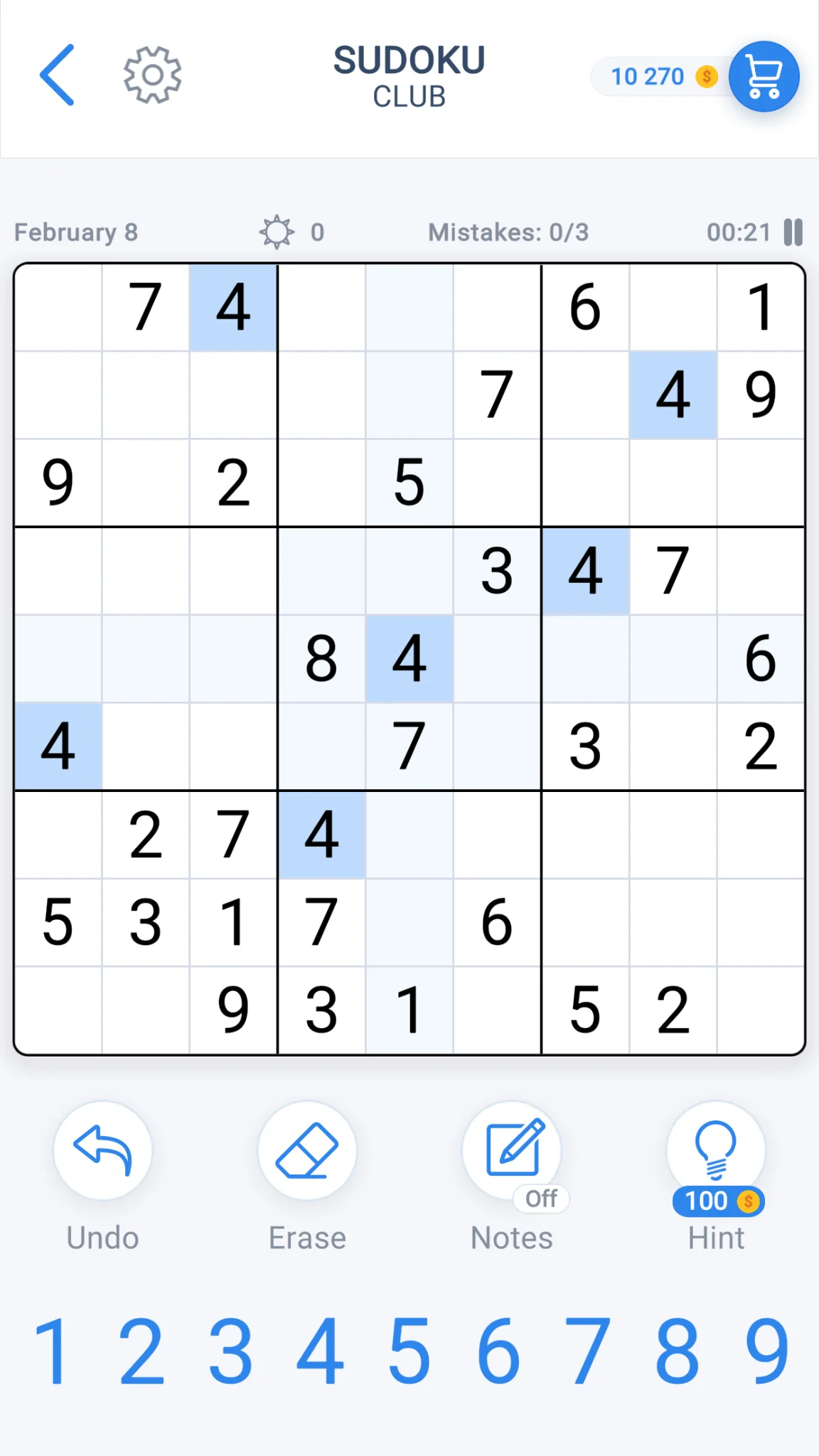
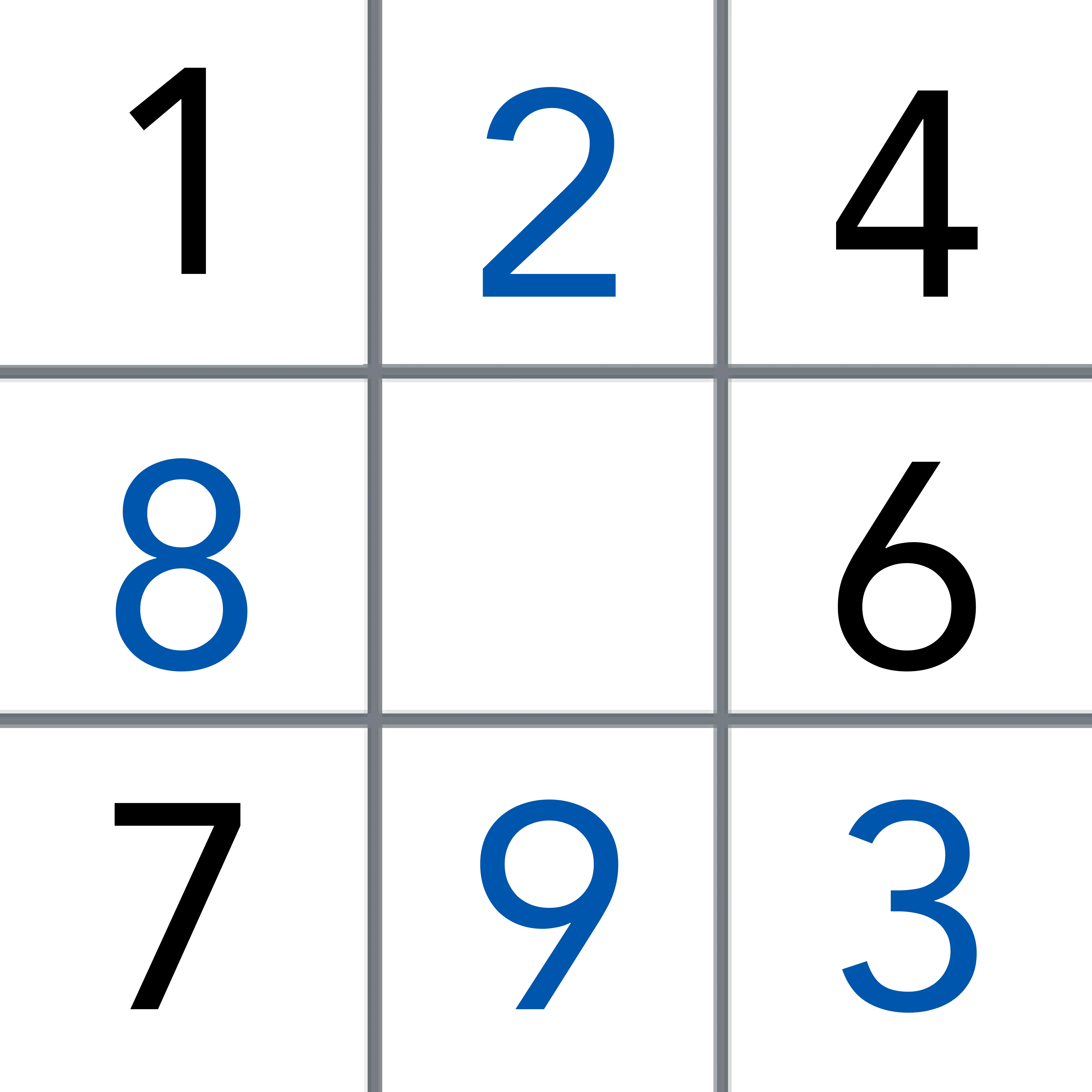
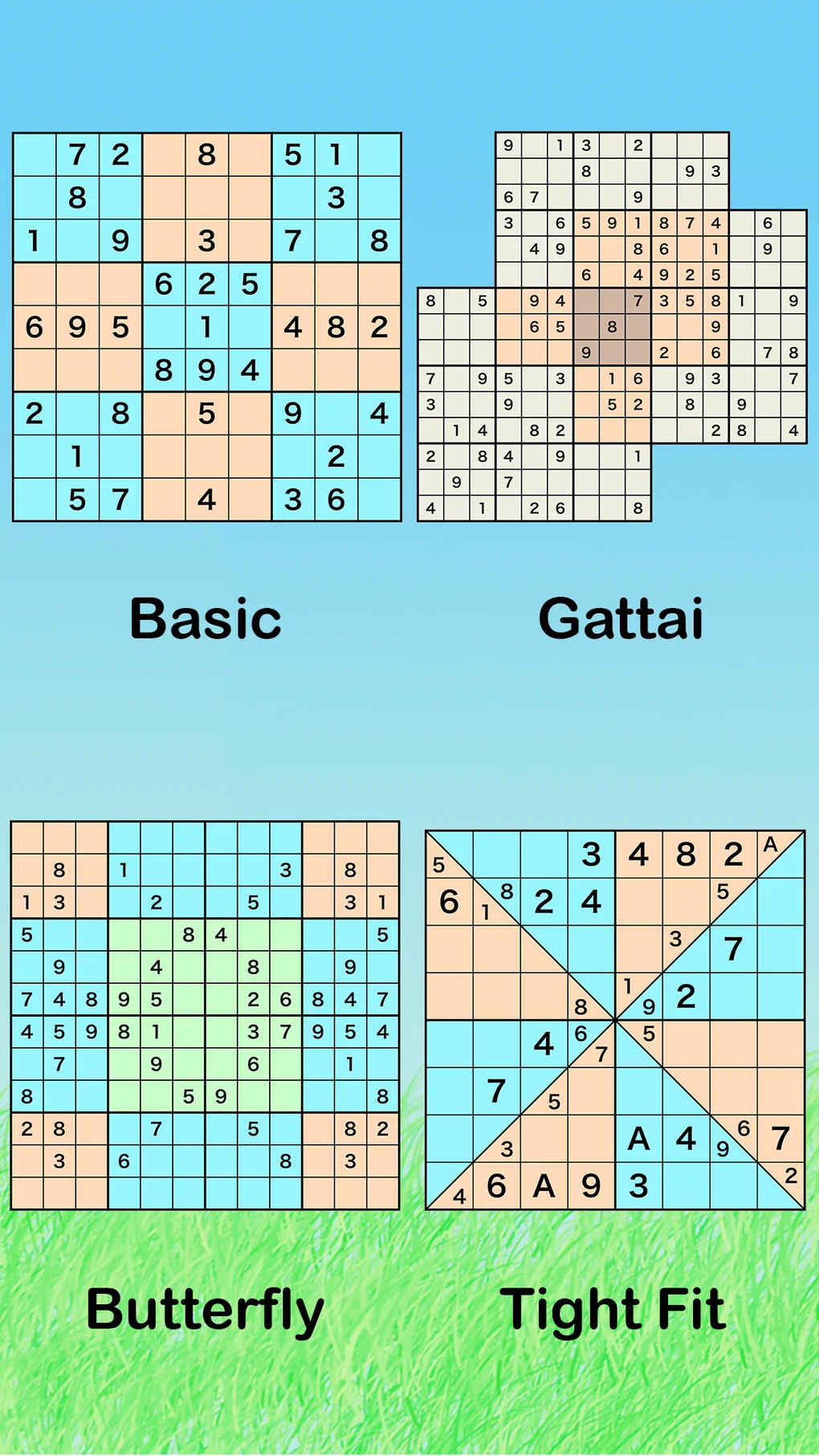
Sudoku, a popular puzzle game, challenges players to fill a 9×9 grid with numbers such as 1 through 9. Each row, column, and 3×3 subgrid must contain all the digits exactly once. Programming logic plays a crucial role in automating this process.
#### Programming Sudoku Logic
1. **Grid Initialization**:
– Begin by initializing a 9×9 grid filled with zeros, representing empty cells.
– If a Sudoku puzzle is provided, populate the grid with given numbers.
2. **Backtracking Algorithm**:
– This is the core logic of solving Sudoku. The algorithm involves trying different numbers in empty cells and recursively checking for conflicts.
– Start from the top-left cell and fill it with a number from 1 to 9.
– For each filled cell, validate if placing the next number is valid in all possible ways.
– If a number is invalid, backtrack and try a different number.
3. **Validation Checks**:
– **Row Check**: Ensure no duplicate numbers are in the current row.
– **Column Check**: Ensure no duplicate numbers are in the current column.
– **3×3 Subgrid Check**: Ensure no duplicate numbers are in the current 3×3 subgrid.
4. **Solving Process**:
– Iterate through each cell in the grid.
– For empty cells, try numbers 1 through 9.
– For each number, apply validation checks.
– If the number is valid, proceed to the next cell.
– If not, backtrack to the previous cell and try a different number.
#### FAQs
**Q1: What is a backtracking algorithm?**
A1: A backtracking algorithm is a recursive method used to solve problems by trying to build a solution incrementally, one piece at a time, and removing those solutions that fail to satisfy the constraints of the problem at any point of time.
**Q2: Can a Sudoku puzzle have multiple solutions?**
A2: Yes, some Sudoku puzzles can have multiple solutions. However, a well-structured Sudoku puzzle typically has only one unique solution.
**Q3: How do I check if a number can be placed in a specific cell?**
A3: To check if a number can be placed in a cell, ensure the number is not already present in the same row, column, or 3×3 subgrid. If it passes all these checks, the number is valid.
**Q4: What is the purpose of the validation checks?**
A4: Validation checks ensure that the numbers placed in the grid adhere to the Sudoku rules. They prevent incorrect numbers from being inserted, ensuring a valid solution is reached.
**Q5: How can I optimize the backtracking algorithm for faster solutions?**
A5: Optimizations can include implementing a heuristic to prioritize the placement of numbers based on the least number of possible candidates in a cell or reducing the number of backtracking steps by applying more advanced techniques such as constraint propagation.