### How to Play Sudoku: An Easy Way
#### Introduction to Sudoku
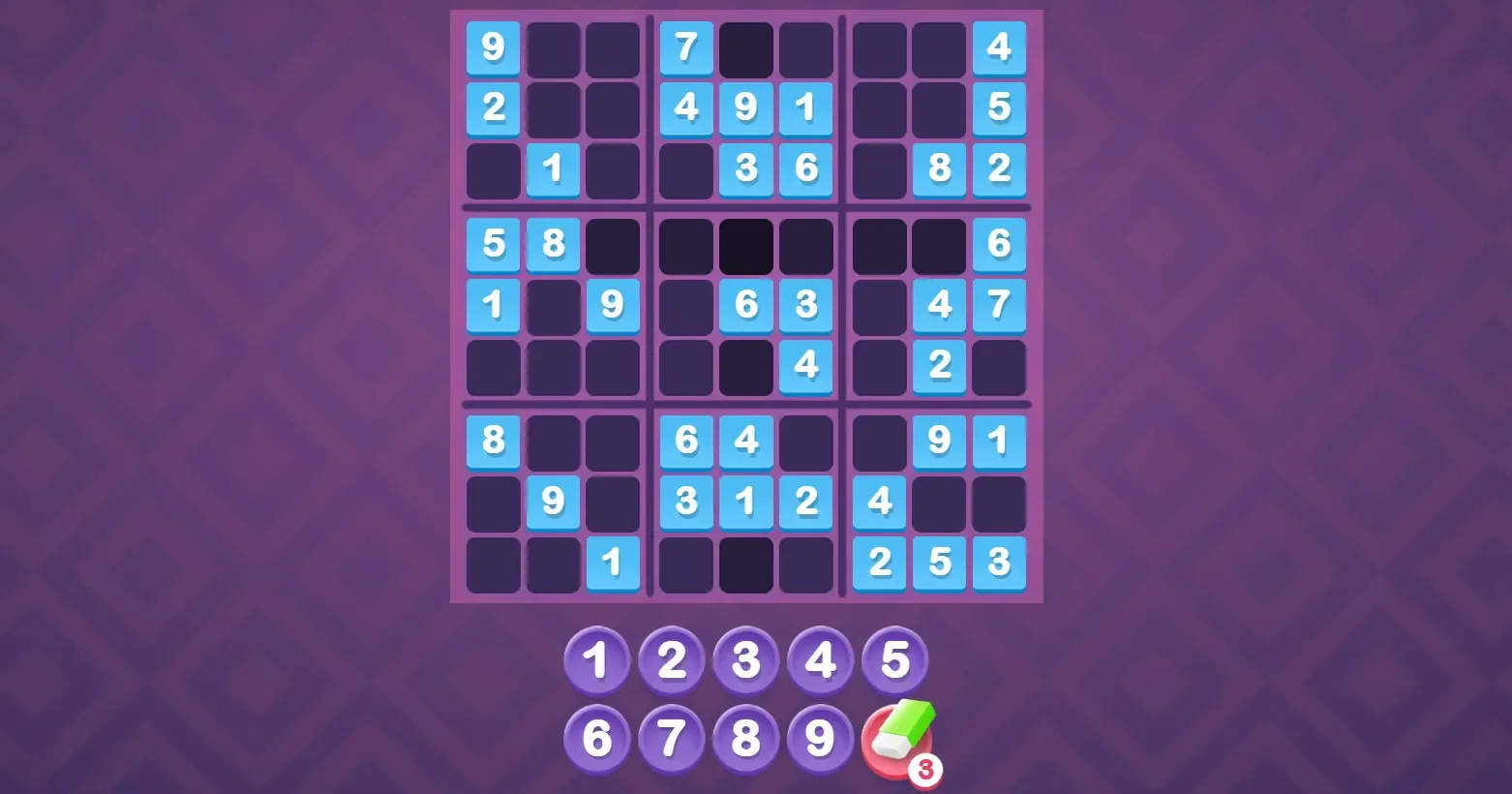
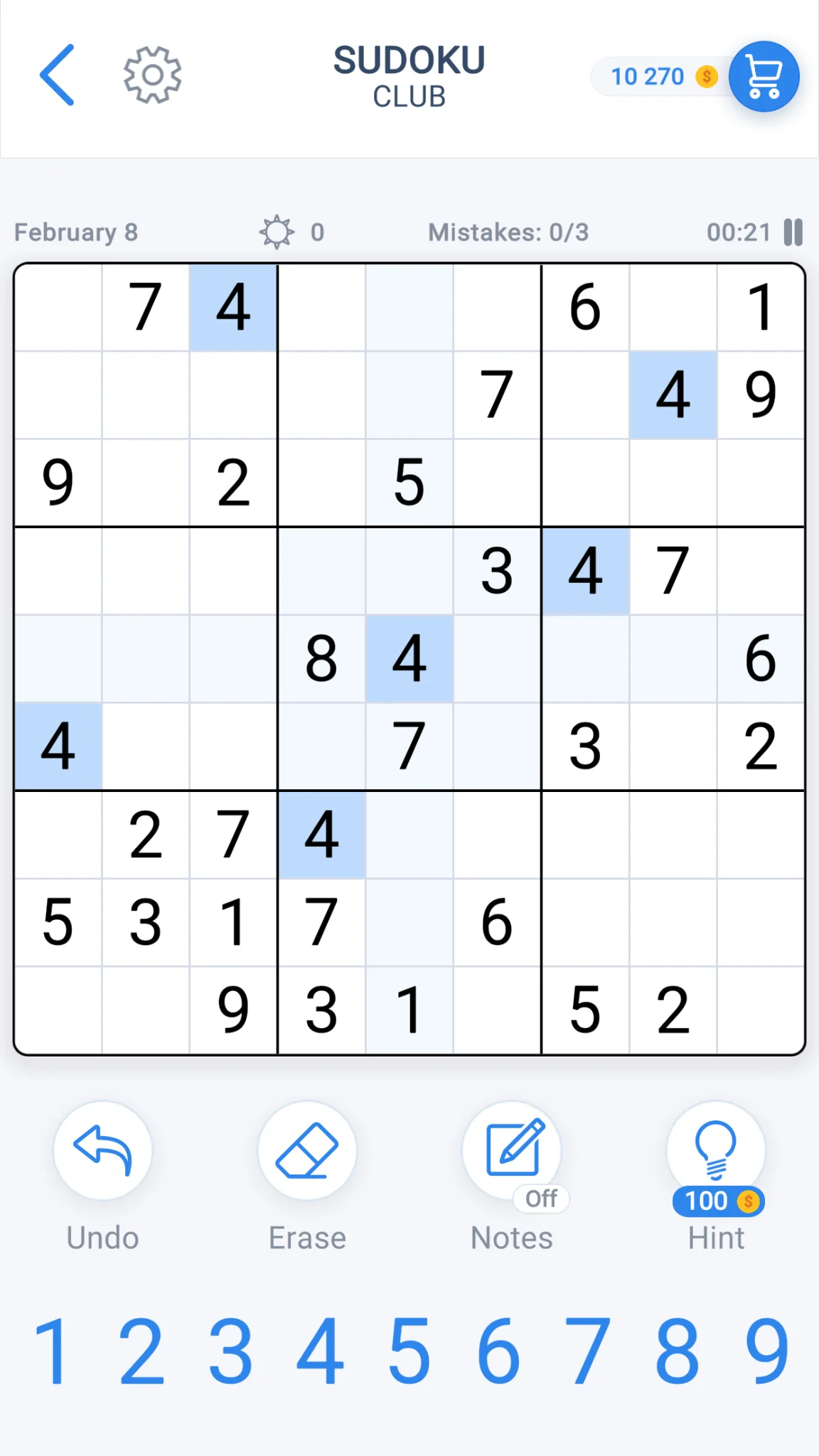
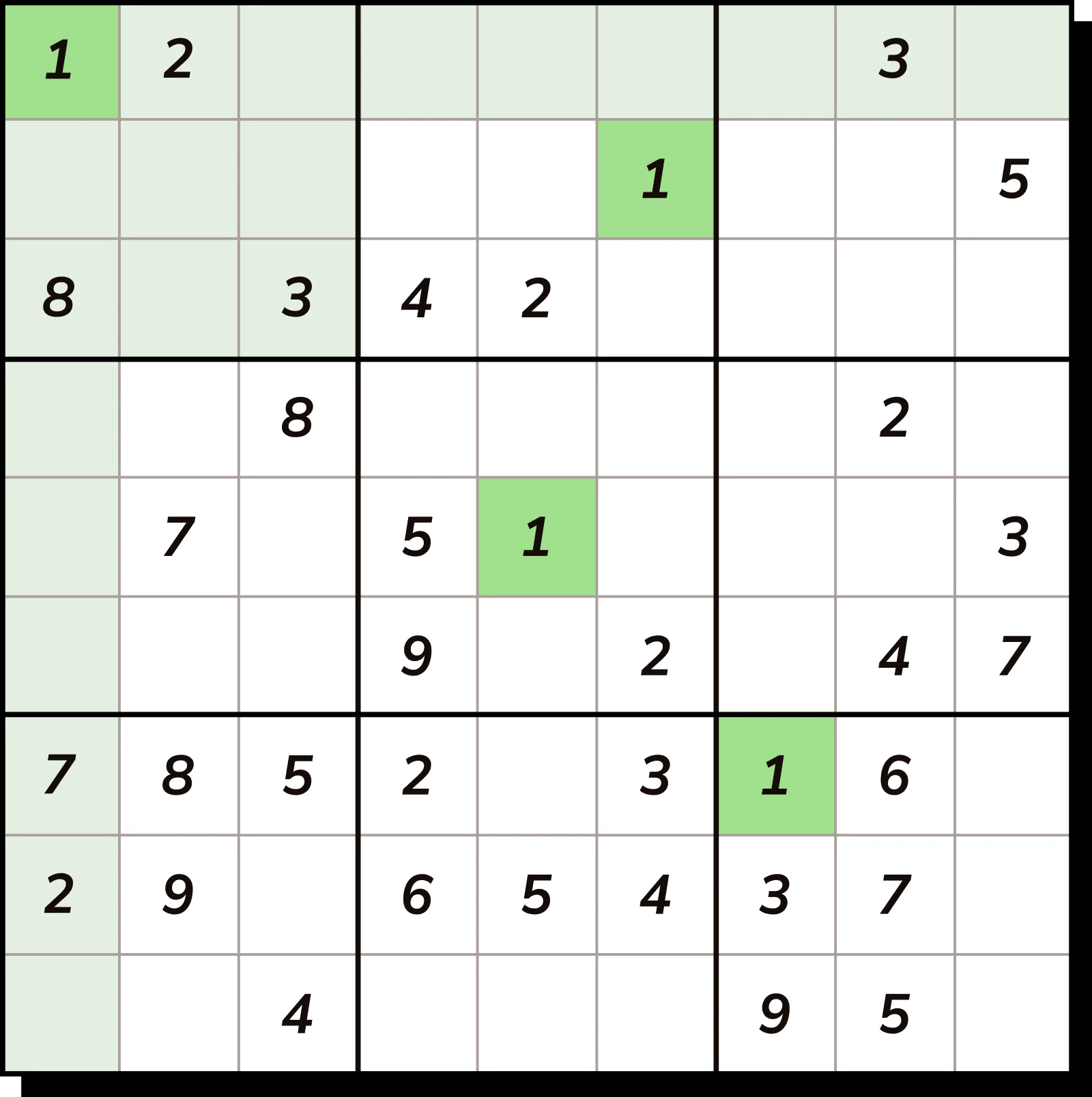
Sudoku is a popular puzzle game that has captured the interest of puzzle enthusiasts worldwide. It’s a logic-based, number-placement puzzle that requires players to fill a 9×9 grid with numbers so that each column, each row, and each of the nine 3×3 subgrids that compose the grid (also called “boxes”, “blocks”, or “regions”) contain all of the digits from 1 to 9. The goal is to do so without repeating any number in the same row, column, or 3×3 subgrid.
#### Step-by-Step Guide to Playing Sudoku
**Step 1: Understand the Grid Layout**
A standard Sudoku grid is divided into nine 3×3 subgrids. Each subgrid is called a “box” or “region.” There are nine boxes in total, each containing nine cells.
**Step 2: Start with Easy Puzzles**
If you’re new to Sudoku, start with easier puzzles. They have fewer clues, which can help you get a feel for the game without feeling overwhelmed.
**Step 3: Fill in the Given Numbers**
Look at the numbers already placed in the grid. These are the clues that help you solve the puzzle. Start by filling in any numbers that are already determined by the given clues.
**Step 4: Eliminate Possibilities**
For each empty cell, look at the numbers that are already in the same row, column, and box. Eliminate any numbers that cannot possibly go in that cell.
**Step 5: Use Pencil Marks**
If you’re unsure about a number in a cell, make a small mark or write the number in the corner of the cell. This helps you keep track of possibilities without making mistakes.
**Step 6: Look for Patterns**
Sudoku puzzles often have patterns that can be exploited to find solutions quickly. Look for rows, columns, or boxes that have similar numbers or that have many empty cells in the same region.
**Step 7: Trial and Error**
If you’re stuck, try different numbers in an empty cell and see if they fit without creating contradictions. This can sometimes lead you to a breakthrough.
#### Frequently Asked Questions (FAQ)
**Q: What is the best strategy for solving Sudoku?**
A: The best strategy is a combination of logical deduction, pattern recognition, and systematic elimination. Start with the given numbers, then use processes like cross-hatching and box-line reduction to find more numbers.
**Q: Can I use a calculator to solve Sudoku?**
A: While a calculator can help with simple arithmetic, Sudoku requires logical reasoning and pattern recognition. Using a calculator may not enhance your understanding of the puzzle-solving process.
**Q: Are there different types of Sudoku puzzles?**
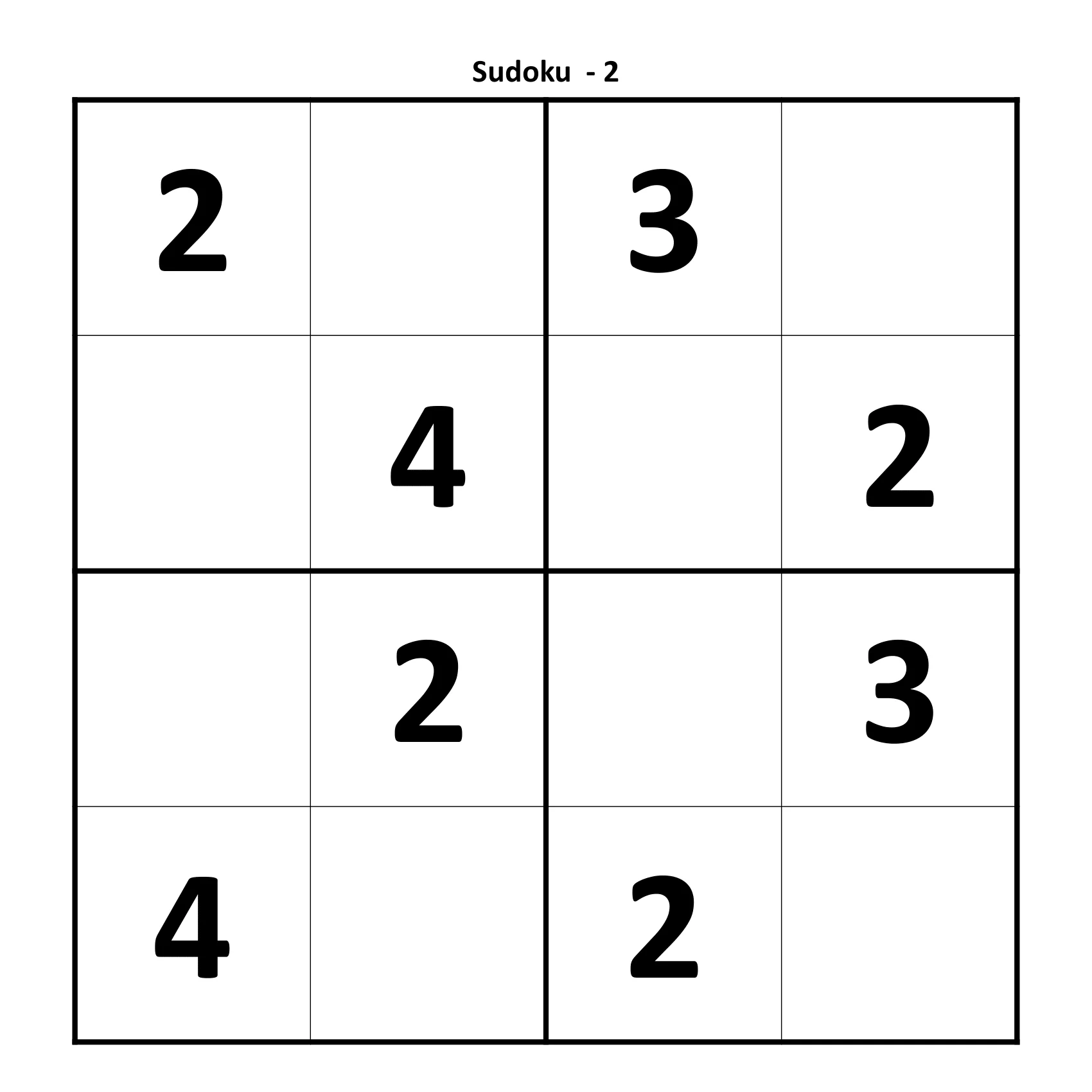
A: Yes, there are many variations of Sudoku, including Diagonal Sudoku, Jigsaw Sudoku, and Mini Sudoku. Each type has its own rules and challenges.
**Q: Is it okay to use a hint or solution if I get stuck?**
A: It’s perfectly fine to use hints or solutions if you’re learning the game or if you get stuck. However, try to solve the puzzle as much as you can on your own to improve your skills.
**Q: Can Sudoku be solved without a grid?**
A: Yes, it’s possible to solve Sudoku without a grid by using a notepad or any flat surface to lay out the numbers. However, having a grid can help visualize the puzzle more effectively.
By following these steps and understanding the strategies, you’ll be well on your way to solving Sudoku puzzles with ease. Happy solving!