### Diagonal Sudoku: A Unique Puzzle Experience
#### Introduction to Diagonal Sudoku
Diagonal Sudoku, also known as X-Wing Sudoku or Diagonal Latin Square, is a variant of the classic Sudoku puzzle. While the standard Sudoku focuses on filling a 9×9 grid with numbers 1 to 9 such that each row, column, and 3×3 subgrid contain all the digits from 1 to 9 without repetition, Diagonal Sudoku adds an extra layer of complexity by requiring the same condition to be met for both diagonals as well.
#### The Grid Structure
In a Diagonal Sudoku, the grid is the same as in a regular Sudoku, with 9 rows and 9 columns. However, the key difference lies in the diagonals. The main diagonal runs from the top-left to the bottom-right corner of the grid, while the anti-diagonal runs from the top-right to the bottom-left. Both diagonals must also contain the numbers 1 to 9 exactly once.
#### Strategies for Solving Diagonal Sudoku
1. **Standard Sudoku Techniques**: Begin by filling in any obvious numbers, as in standard Sudoku. This can help clear up the grid and make it easier to spot patterns.
2. **Diagonal Analysis**: Look at the diagonals separately. Since they must also contain all the numbers from 1 to 9, you can use this to eliminate possibilities in certain cells.
3. **X-Wing Strategy**: This advanced technique involves identifying pairs of numbers that appear twice in two rows or columns, but only in the diagonals. This can help you determine the value of certain cells.
4. **Unique Rectangle**: Similar to X-Wing, a Unique Rectangle involves identifying a rectangle where two numbers appear twice, but only in the diagonals. This can help you deduce the value of a cell not yet filled.
#### Frequently Asked Questions (FAQ)
**Q: What is the difference between Diagonal Sudoku and regular Sudoku?**
A: The main difference is that Diagonal Sudoku requires the same number pattern to be followed in both the rows, columns, and diagonals, adding an extra layer of complexity.
**Q: Can I use standard Sudoku strategies to solve Diagonal Sudoku?**
A: Yes, you can use standard Sudoku strategies as a starting point. However, you will also need to consider the diagonals when analyzing the grid.
**Q: Are there different levels of difficulty in Diagonal Sudoku?**
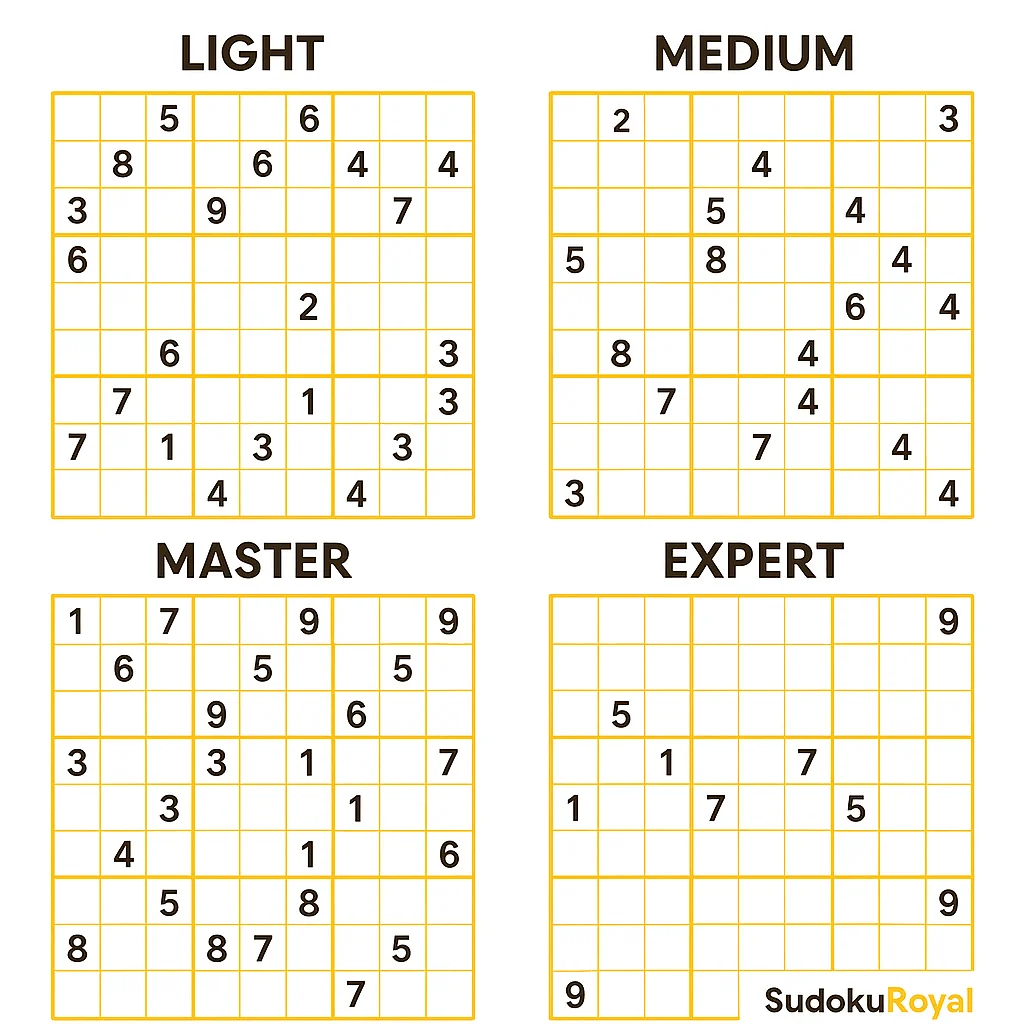
A: Like regular Sudoku, Diagonal Sudoku can range from easy to very hard. The difficulty level depends on the complexity of the clues provided and the number of strategies required to solve the puzzle.
**Q: Can Diagonal Sudoku be solved using a computer program?**
A: Yes, computer programs can solve Diagonal Sudoku. However, the challenge for many enthusiasts lies in solving it manually, which requires logical reasoning and patience.
**Q: Is Diagonal Sudoku a popular puzzle?**
A: While it may not be as widely recognized as regular Sudoku, Diagonal Sudoku has a dedicated following among puzzle enthusiasts who appreciate the additional challenge it presents.
#### Conclusion
Diagonal Sudoku offers a unique and engaging puzzle experience that combines the classic Sudoku rules with an extra layer of diagonal constraints. Whether you are a seasoned Sudoku solver or new to the game, Diagonal Sudoku provides a stimulating challenge that can enhance your problem-solving skills. Happy solving!