## How to Play Sum Sudoku: A Comprehensive Guide
### Introduction
Sum Sudoku is a delightful puzzle game that combines the classic Sudoku logic with a unique twist: each row, column, and box must add up to a specific number. Whether you are a Sudoku aficionado or a beginner looking to expand your puzzle-solving skills, this guide will walk you through the rules and strategies to enjoy this exciting variant of Sudoku.
### The Basics of Sum Sudoku
#### What is Sum Sudoku?
Sum Sudoku is a puzzle game that extends the traditional Sudoku rules by adding a numerical constraint to each row, column, and 3×3 grid. In Sum Sudoku, each of these units must add up to a predetermined sum, often indicated by a star or hash symbol at the top or bottom of the grid.
#### The Grid
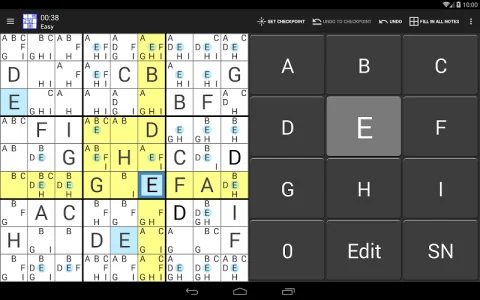
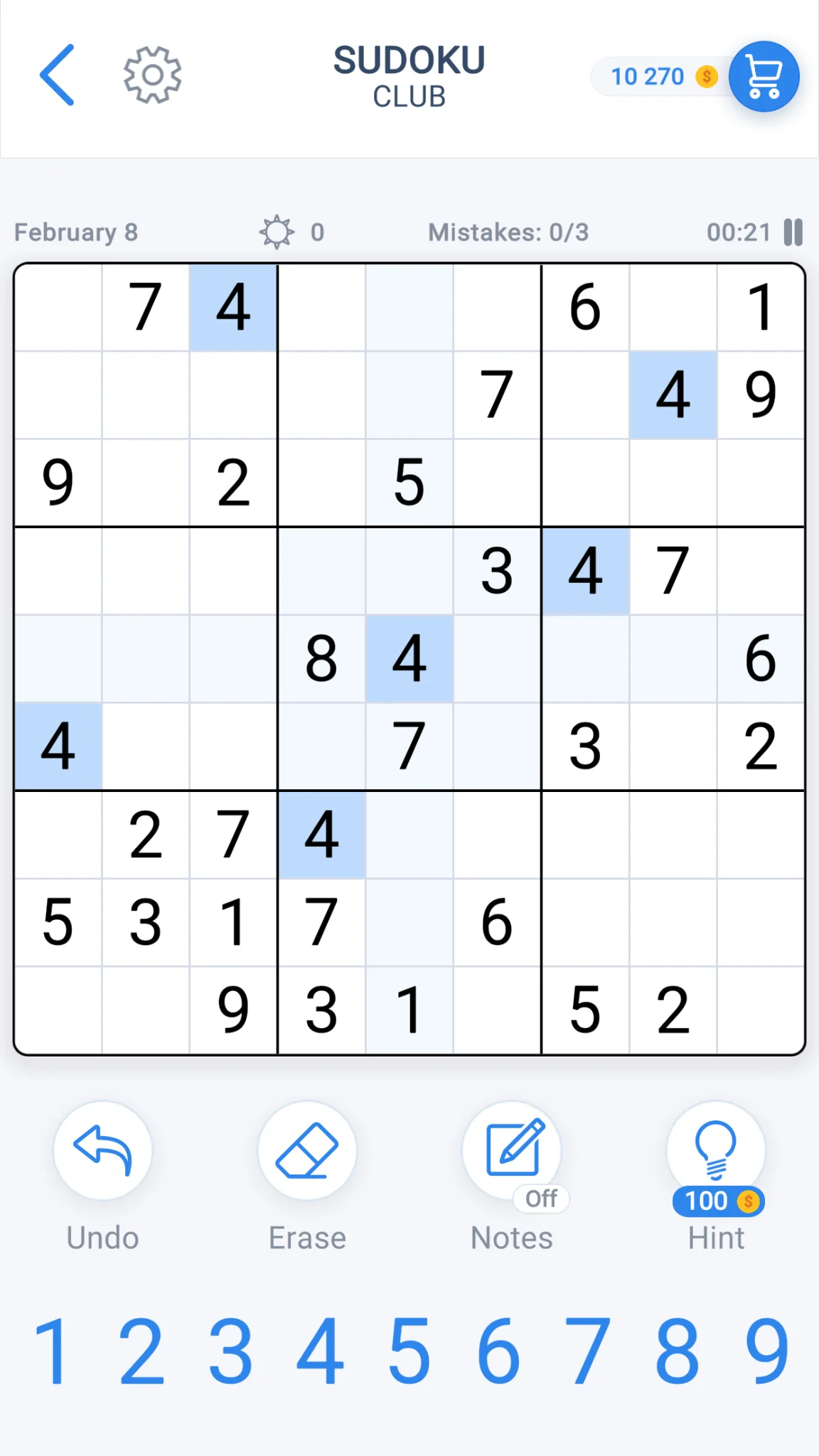
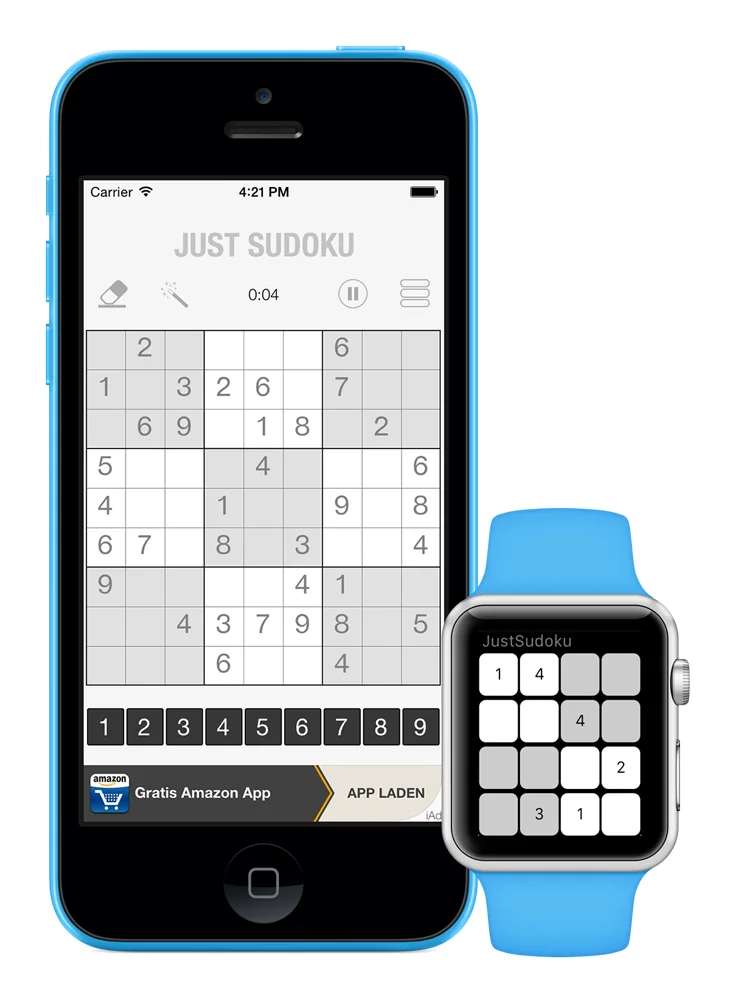
A standard Sum Sudoku grid is a 9×9 grid, divided into nine 3×3 sub-grids called boxes. The objective is to fill the grid with numbers from 1 to 9, ensuring that each row, column, and box contains all of these numbers without repetition.
#### The Sum Constraint
In Sum Sudoku, each row, column, and box must add up to a specific sum, typically between 30 and 45. This sum is often marked by a star (*) or a hash (#) symbol at the top or bottom of the row, column, or box.
### Rules and Strategies
#### Filling the Grid
1. **Start with Easy Clues:** Begin by filling in the cells with known values. Look for rows, columns, or boxes where a single number can be placed without violating the sum constraint.
2. **Eliminate Possibilities:** As you fill in the grid, eliminate numbers that cannot possibly fit in any cell of a row, column, or box that already contains known values.
3. **Use the Sum Constraint:** Remember that each row, column, and box must add up to the specified sum. Use this information to identify potential values for cells.
#### Advanced Strategies
1. **X-Wing:** If two rows or columns have two cells each that can only be one of two numbers, and these two numbers are the only ones that can go in those cells, then those two numbers cannot go in the other cells of the other row or column.
2. **Swordfish:** Similar to the X-Wing, but involves three rows or columns, with three cells each that can only be one of two numbers.
3. **Unique Rectangle:** If four cells in two rows and two columns form a rectangle, and two numbers can fit in these cells without violating the sum constraint, then those two numbers must be placed in those cells.
### FAQs
**Q: Can I use a standard Sudoku strategy in Sum Sudoku?**
A: Yes, many standard Sudoku strategies are applicable in Sum Sudoku. However, you must always consider the sum constraint when solving the puzzle.
**Q: How do I identify the sum for each row, column, and box?**
A: The sum is typically indicated by a star (*) or a hash (#) symbol at the top or bottom of the row, column, or box.
**Q: Can I use trial and error to solve Sum Sudoku?**
A: While trial and error can work, it’s generally more efficient to use logical deduction and the sum constraint to guide your solving process.
**Q: Is there a difference between a star (*) and a hash (#) in Sum Sudoku?**
A: Typically, no. Both symbols indicate the sum constraint for a row, column, or box. The choice of symbol is up to the puzzle designer.
### Conclusion
Sum Sudoku is an engaging and challenging puzzle game that adds a new layer of strategy to the classic Sudoku. By understanding the rules and employing various solving techniques, you’ll be well on your way to mastering this exciting variant. Happy solving!