### Easy Ways to Solve Difficult Sudoku Puzzles
#### Introduction to Sudoku Strategies
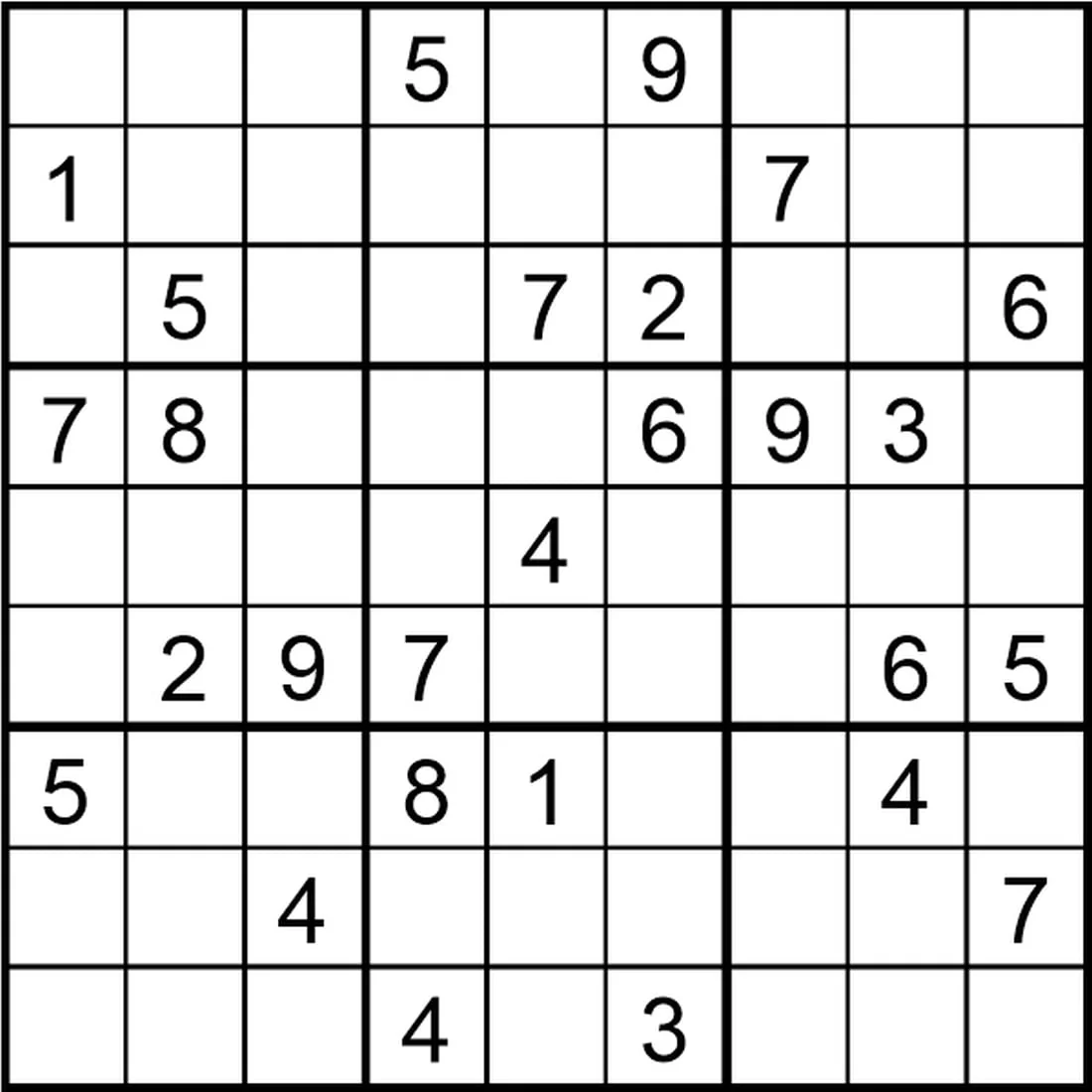
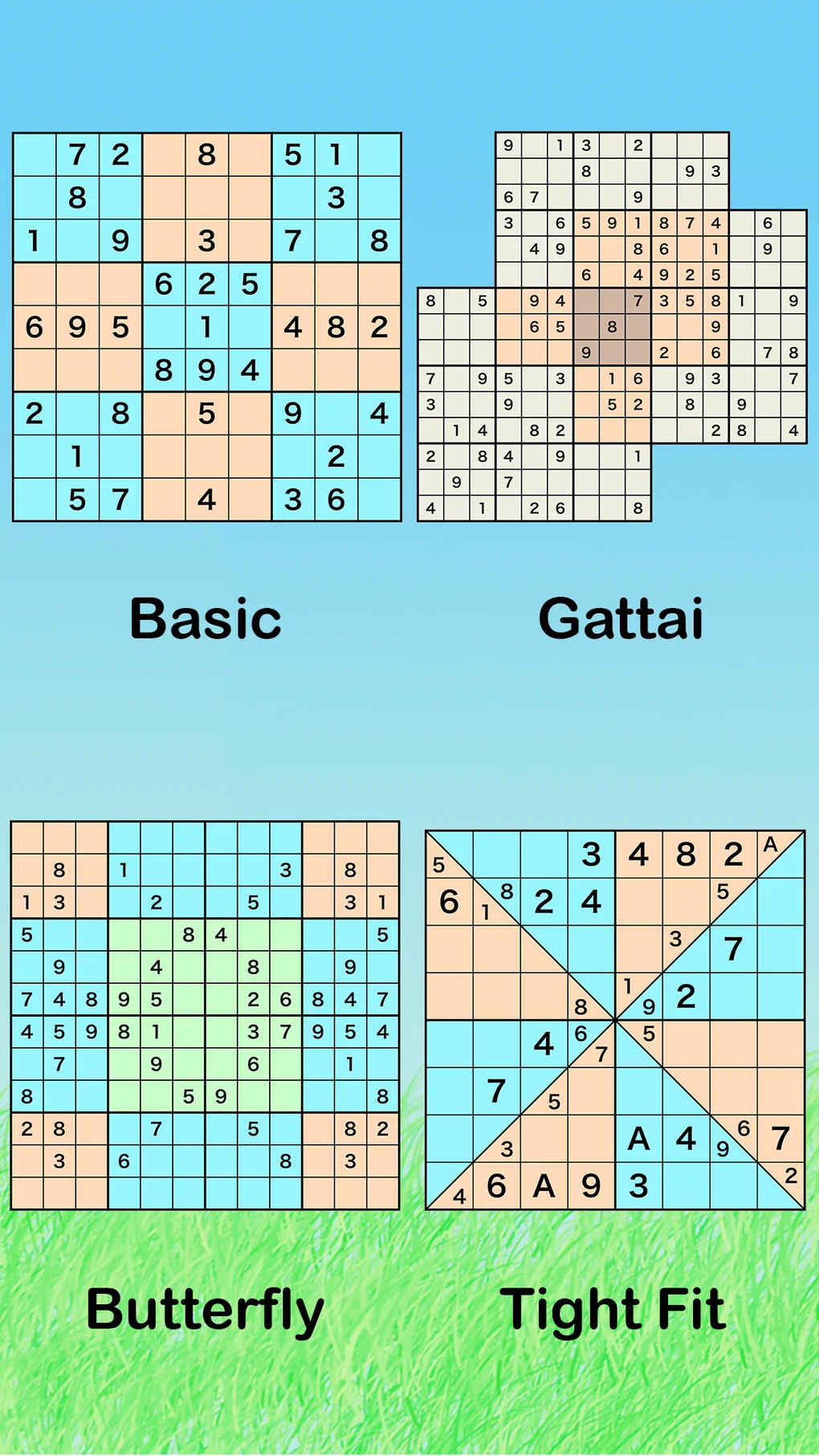
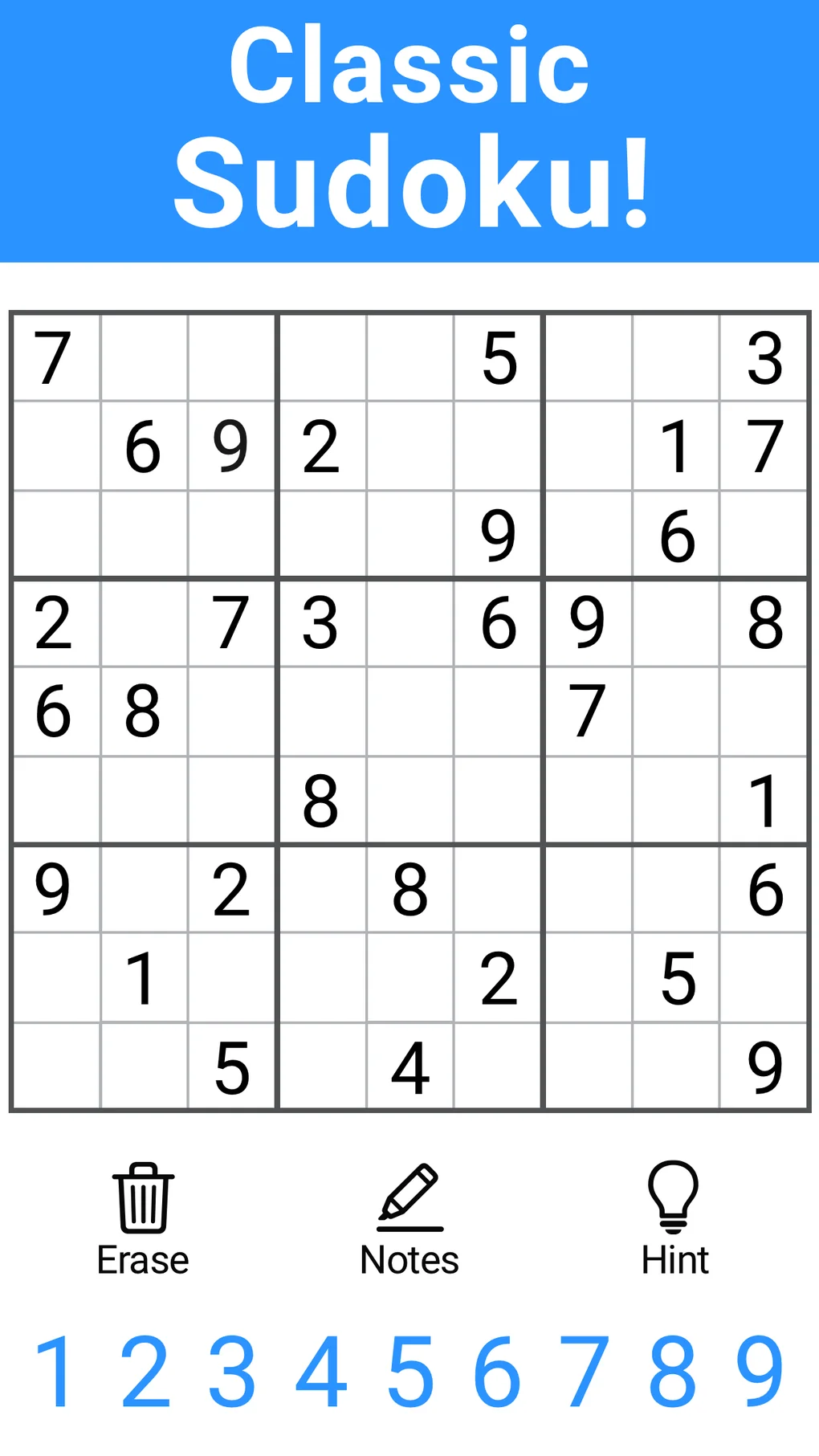
Sudoku is a popular puzzle game that challenges players to fill a 9×9 grid with numbers so that each row, column, and 3×3 subgrid contains all of the digits from 1 to 9. While many puzzles are straightforward, some can be quite challenging. Here are some easy ways to solve difficult Sudoku puzzles that will help you navigate even the trickiest grids.
#### 1. Cross-Hatching
Cross-hatching involves identifying numbers that can only go in one place in a row, column, or subgrid. Once you’ve determined a number’s placement, mark it with an X to eliminate it from other cells in the same row, column, or subgrid.
#### 2. Pencil Marking
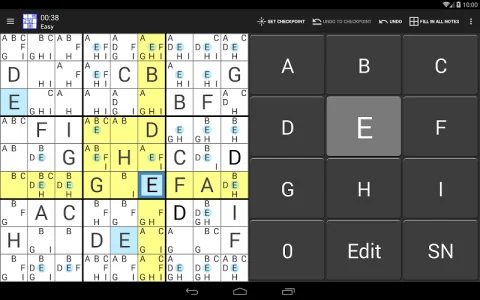
Pencil marking, also known as candidate marking, involves writing potential numbers in small circles or boxes within each cell. This helps you keep track of possibilities and quickly eliminate numbers that no longer fit.
#### 3. Single Candidate
A single candidate is a cell with only one possible number. Since there’s no other choice, you can confidently place that number in the cell.
#### 4. Hidden Pair, Triple, or Quadruple
A hidden pair, triple, or quadruple occurs when two, three, or four numbers can only exist in two, three, or four cells in a row, column, or subgrid. By process of elimination, you can place these numbers in the remaining cells.
#### 5. X-Wing
An X-Wing pattern is formed when two rows or columns have two numbers that can only go in two cells, and these cells are in the same two rows or columns. This pattern allows you to eliminate these numbers from all other cells in the same rows or columns.
#### 6. Swordfish
Similar to an X-Wing, a Swordfish pattern involves three rows or columns with three numbers that can only go in three cells, and these cells are in the same three rows or columns. Eliminate the numbers from all other cells in the same rows or columns.
#### 7. Jellyfish
A Jellyfish pattern is a more complex version of the Swordfish. It involves four rows or columns with four numbers that can only go in four cells, and these cells are in the same four rows or columns. Eliminate the numbers from all other cells in the same rows or columns.
#### FAQ
**Q: What is the best way to start solving a difficult Sudoku puzzle?**
A: Begin by looking for single candidate cells, hidden pairs, triples, or quadruples, and cross-hatching. These techniques can provide quick wins and simplify the puzzle.
**Q: How do I identify an X-Wing pattern?**
A: Look for two rows or columns with two numbers that can only go in two cells, and these cells are in the same two rows or columns. If you find such a pattern, you can eliminate these numbers from all other cells in the same rows or columns.
**Q: Can I use pencil marking on a printed Sudoku puzzle?**
A: Yes, you can use pencil marking on a printed puzzle. Just make sure to use a pencil and not a pen, as you may need to erase your marks as you progress.
**Q: Are there any Sudoku puzzles that are impossible to solve?**
A: In theory, any Sudoku puzzle that follows the rules can be solved. However, some puzzles may be extremely difficult, requiring advanced techniques to solve.
**Q: Is it better to use a computer or a pencil to solve Sudoku?**
A: Both methods have their advantages. A computer can help you identify patterns and provide solutions quickly, while a pencil allows you to mark up the puzzle and work through it at your own pace.
By utilizing these strategies and techniques, you’ll be well-equipped to tackle even the most difficult Sudoku puzzles. Happy solving!