### Simulated Annealing for Sudoku: A Comprehensive Guide
#### Introduction to Simulated Annealing for Sudoku Solving
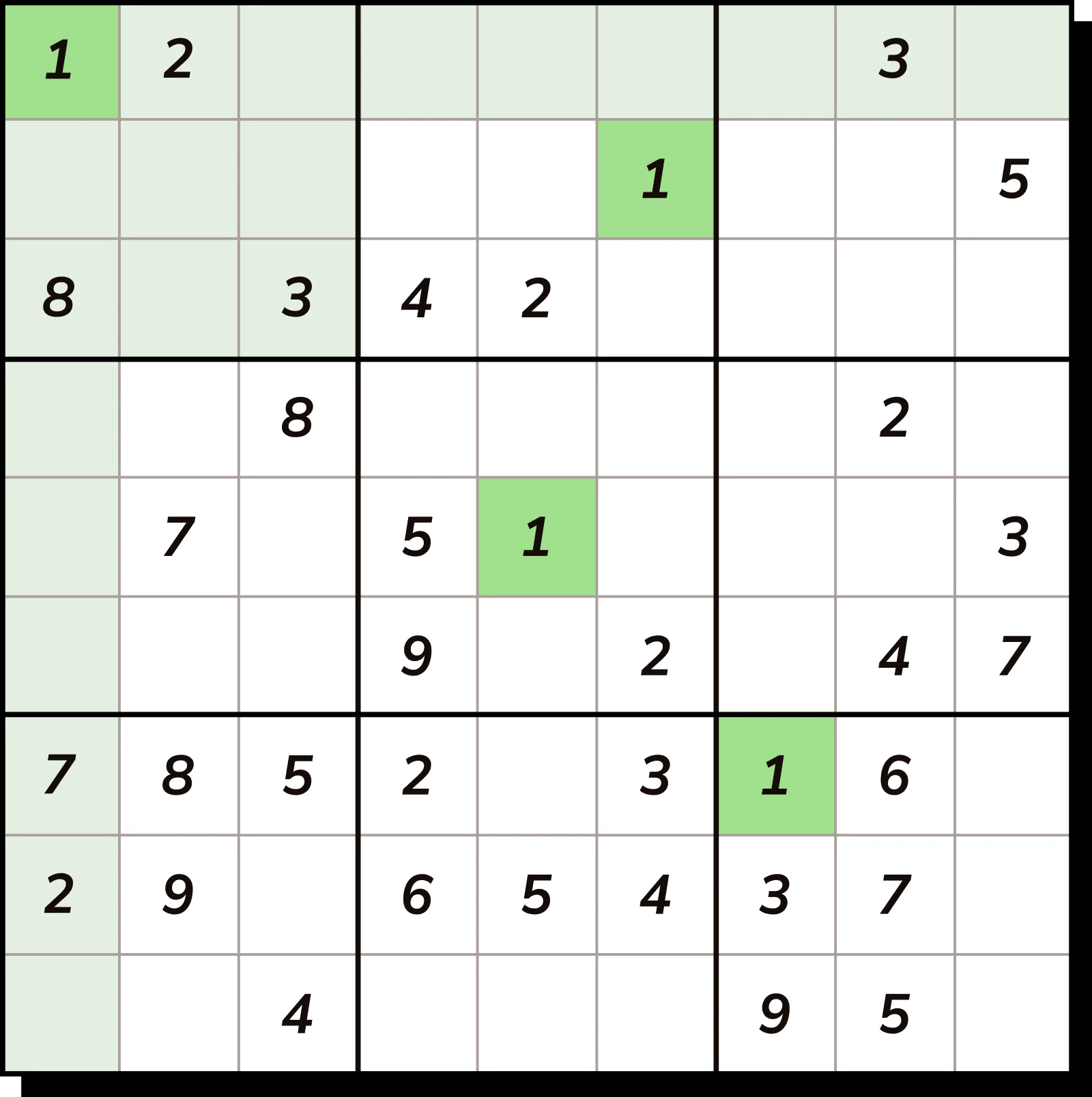
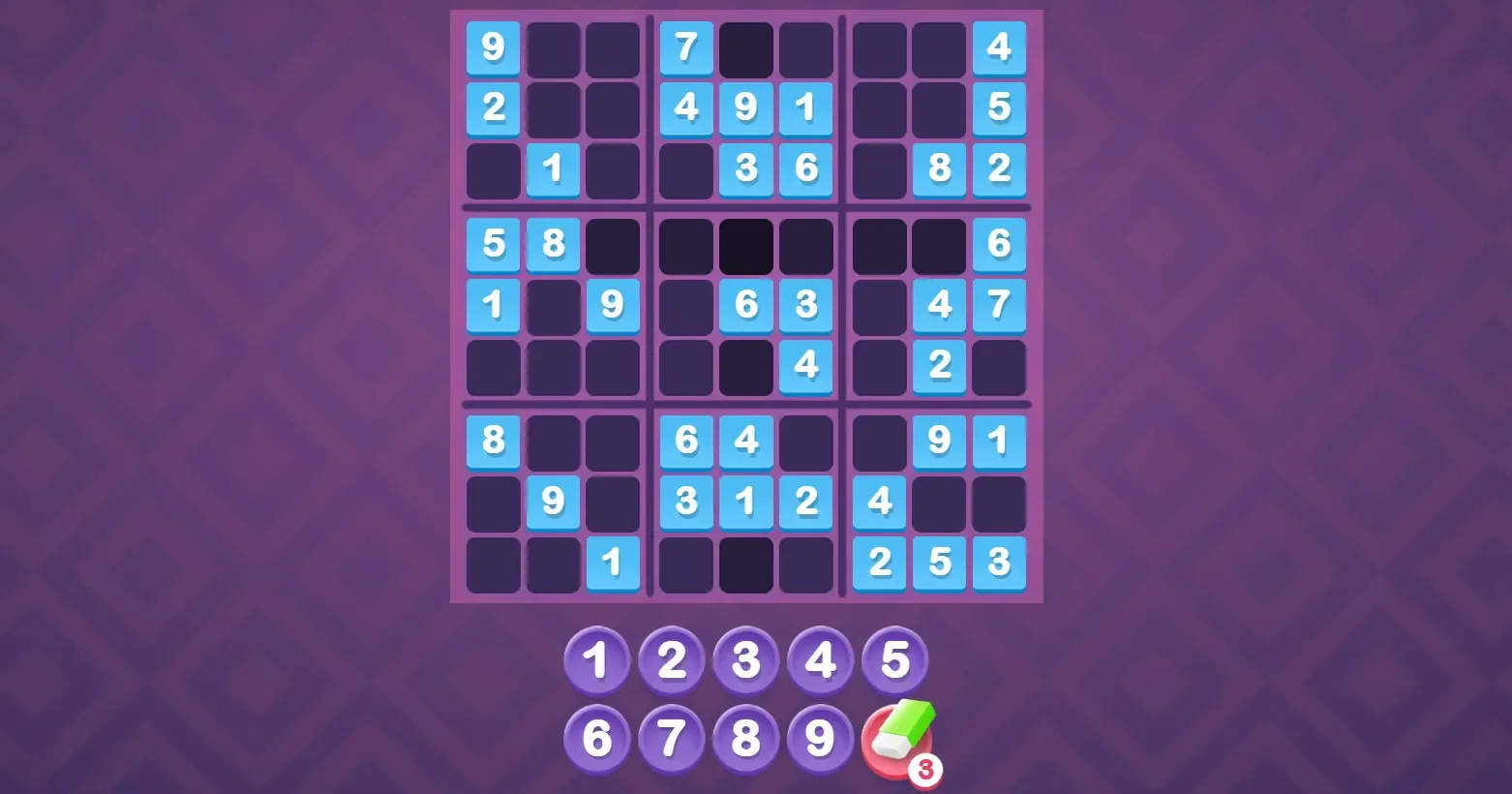
Sudoku, a popular puzzle game, requires the placement of numbers into a grid such that each row, column, and 3×3 subgrid contains all digits from 1 to 9 without repetition. Solving Sudoku manually can be challenging, but with the help of algorithms like Simulated Annealing, it becomes a feasible task. This article delves into the application of Simulated Annealing for solving Sudoku puzzles efficiently.
#### How Simulated Annealing Works
Simulated Annealing is a probabilistic technique for approximating the global optimum of a given function. It is inspired by the process of metal cooling, where rapid cooling can lead to defects, while slow cooling allows the material to settle into a more optimal state. Similarly, Simulated Annealing allows for a controlled exploration of the solution space, accepting worse solutions initially to avoid local optima.
##### Key Components of Simulated Annealing
1. **Initial Solution**: Start with a random or partially completed Sudoku grid.
2. **Neighbor Function**: Define a way to generate a neighboring solution by making a small change to the current solution.
3. **Cost Function**: Assess the quality of a solution, typically based on the number of conflicts (rows, columns, or subgrids with repeated numbers).
4. **Temperature Schedule**: Gradually decrease the temperature to allow for more exploration in the early stages and more convergence in the later stages.
5. **Acceptance Probability**: Determine whether to accept a worse solution based on the current temperature and the difference in cost between the current and new solution.
#### Implementing Simulated Annealing for Sudoku
To apply Simulated Annealing to Sudoku, follow these steps:
1. **Initialize**: Start with a random or partially filled Sudoku grid.
2. **Cooling Schedule**: Define a cooling schedule that decreases the temperature over time.
3. **Neighbor Generation**: Develop a function to generate a neighboring solution by changing a single number in the grid.
4. **Cost Evaluation**: Calculate the cost of the current and neighboring solutions.
5. **Acceptance Decision**: Use the acceptance probability to decide whether to move to the neighboring solution.
6. **Iteration**: Repeat the process until a satisfactory solution is found or a termination criterion is met.
#### Advantages of Simulated Annealing for Sudoku
– **Efficiency**: Simulated Annealing can quickly find a near-optimal solution for Sudoku puzzles.
– **Scalability**: The algorithm can be adapted to solve larger Sudoku grids or more complex puzzles.
– **Robustness**: Simulated Annealing is less prone to getting stuck in local optima compared to other optimization methods.
#### Frequently Asked Questions (FAQ)
**Q1: What is the difference between Simulated Annealing and other Sudoku-solving algorithms?**
A1: While other algorithms like backtracking and constraint propagation can be more efficient for certain Sudoku puzzles, Simulated Annealing offers a more general approach that can handle a wider range of puzzles and is less likely to get trapped in local optima.
**Q2: Can Simulated Annealing solve all Sudoku puzzles?**
A2: Simulated Annealing can solve a vast majority of Sudoku puzzles, but it may not be able to solve puzzles that are known to be unsolvable or have no solution.
**Q3: How does the cooling schedule affect the performance of Simulated Annealing?**
A3: The cooling schedule determines the balance between exploration and convergence. A too rapid cooling can lead to premature convergence, while a too slow cooling can result in a longer computation time.
**Q4: Is it possible to optimize the Simulated Annealing algorithm for specific types of Sudoku puzzles?**
A4: Yes, optimizations can be made based on the characteristics of the Sudoku puzzle, such as the number of clues provided or the structure of the puzzle. These optimizations can improve the efficiency of the algorithm.
**Q5: Can Simulated Annealing be used for other types of puzzles or optimization problems?**
A5: Simulated Annealing is a versatile algorithm that can be applied to various optimization problems, including graph coloring, job scheduling, and even some aspects of machine learning. Its adaptability makes it a valuable tool in diverse fields.