### How to Do Sudoku Puzzles: A Comprehensive Guide
Sudoku puzzles are a popular logic-based number-placement puzzle that can be enjoyed by people of all ages. Whether you’re a beginner or a seasoned solver, understanding the rules and strategies can greatly enhance your experience. This guide will walk you through the basics of how to do Sudoku puzzles, providing you with the knowledge and skills to tackle any level of difficulty.
#### Understanding Sudoku Rules
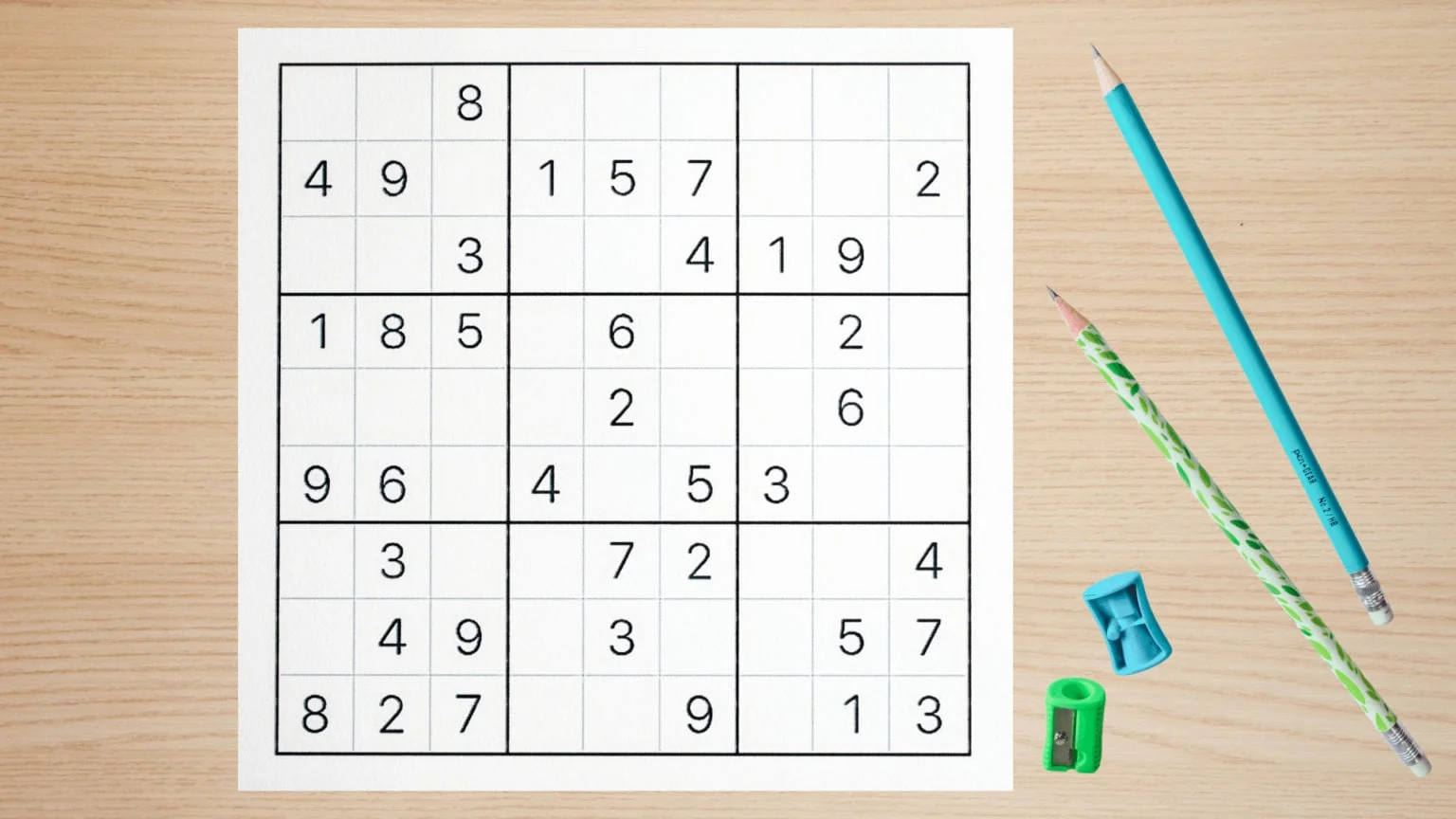
At its core, Sudoku is a grid consisting of nine 3×3 subgrids, called “boxes,” arranged into a 9×9 grid. The objective is to fill each row, column, and box with digits from 1 to 9, without repeating any number within those rows, columns, or boxes.
Here’s a quick rundown of the rules:
– **9×9 Grid**: The grid is divided into nine rows and nine columns.
– **9 Boxes**: Each box contains nine cells.
– **Unique Numbers**: Each row, column, and box must contain the numbers 1 through 9, with no repetitions.
#### Starting Your Sudoku Puzzle
1. **Choose a Puzzle**: Select a Sudoku puzzle of your desired difficulty level.
2. **Fill in Given Numbers**: If there are any numbers pre-filled in the grid, note them.
3. **Identify Empty Cells**: Look for cells without numbers. These are where you’ll start placing numbers.
#### Strategies for Solving Sudoku
1. **Cross-Hatching**: Analyze rows and columns to identify potential candidates for each cell based on the numbers already placed.
2. **Box Line Reduction**: Look at the boxes and reduce the possible numbers for each cell based on the numbers in the row and column intersecting that box.
3. **Single Candidate**: If a cell has only one possible number, fill it in.
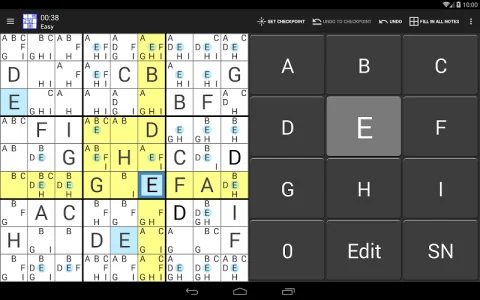
4. **Pencil Marks**: Use pencil marks to keep track of potential numbers for each cell.
5. **Elimination**: If a number cannot be placed in a row, column, or box, eliminate it as a candidate for that cell.
#### Tips for Effective Sudoku Solving
– **Take Your Time**: Don’t rush. Sudoku is a puzzle that can be solved logically.
– **Stay Organized**: Keep track of your work, especially if you’re using pencil marks.
– **Practice**: The more you solve, the better you’ll become at recognizing patterns and strategies.
– **Use Online Resources**: There are numerous online tools and tutorials that can help you improve your skills.
#### Frequently Asked Questions (FAQ)
**Q: Can I use a calculator to solve Sudoku?**
A: No, Sudoku puzzles require logical reasoning and pattern recognition. Using a calculator would defeat the purpose of solving the puzzle.
**Q: Is there a right or wrong way to solve Sudoku?**
A: While there are standard strategies, there is no one “right” way to solve Sudoku. The key is to find a method that works for you.
**Q: Can I solve Sudoku without looking at the grid?**
A: It’s possible to solve Sudoku without looking at the grid, but it’s highly recommended to use a physical or digital grid to keep track of your work and ensure accuracy.
**Q: Are Sudoku puzzles good for the brain?**
A: Yes, Sudoku puzzles are known to improve cognitive skills, such as memory, concentration, and problem-solving abilities.
By following these guidelines and practicing regularly, you’ll be well on your way to mastering the art of solving Sudoku puzzles. Happy solving!