### Beginner Sudoku: A Comprehensive Guide
#### Understanding Sudoku
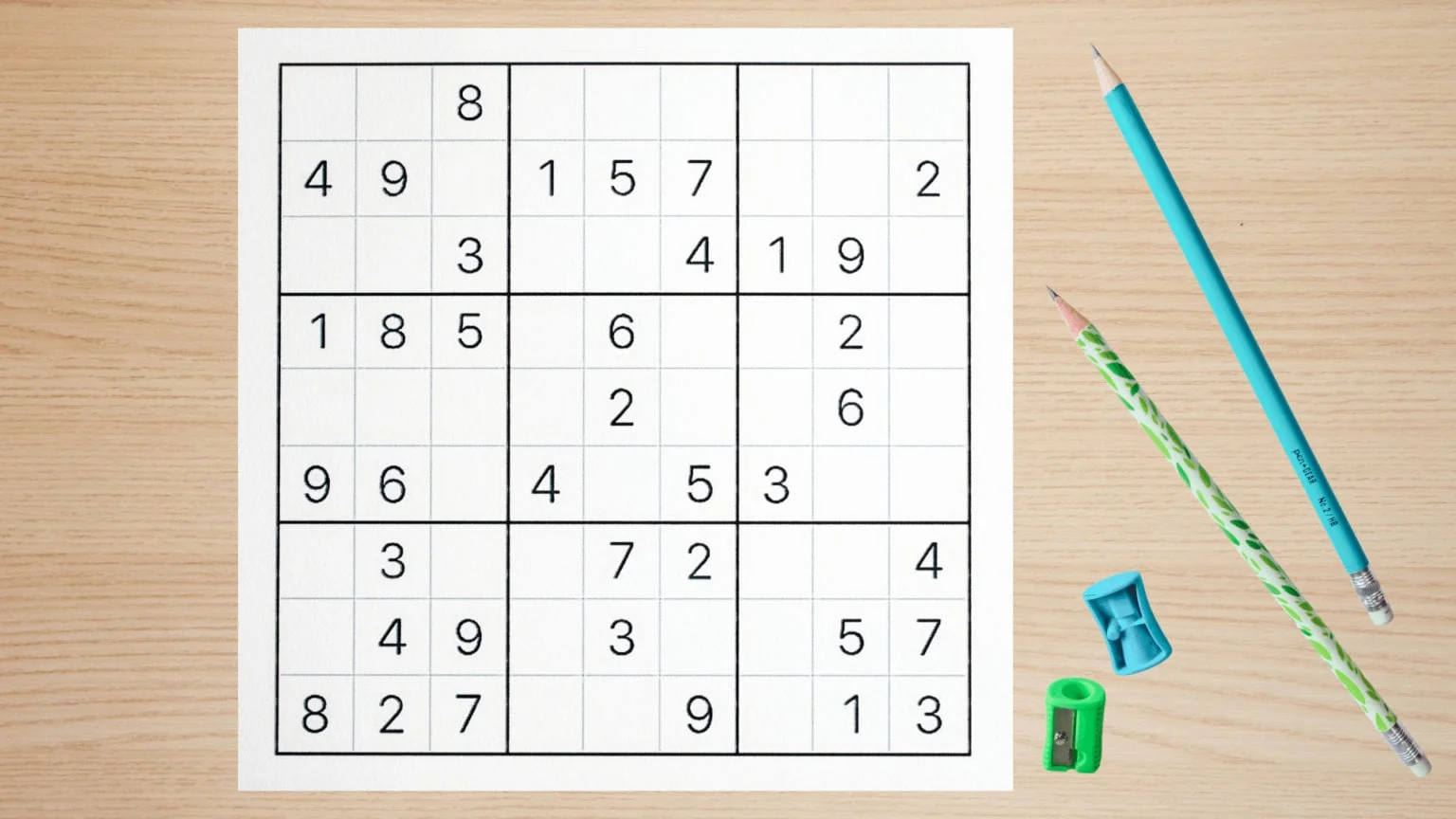
Sudoku is a popular puzzle game that involves a 9×9 grid. The objective is to fill the grid with numbers so that each row, each column, and each of the nine 3×3 subgrids that compose the grid (also called “boxes”, “blocks”, or “regions”) contain all of the digits from 1 to 9. The puzzle setter provides a partially completed grid, which for a well-posed puzzle has a single solution.
#### How to Start
1. **Familiarize with the Grid**: The grid is divided into nine 3×3 subgrids. Each row and column must contain the numbers 1 to 9 without repetition.
2. **Identify Givens**: Look for numbers that are already filled in the grid. These are called “givens” and will help you start solving the puzzle.
3. **Process of Elimination**: Use the numbers already in the grid to eliminate possibilities for other cells. For example, if a row has a 3 in it, you can eliminate a 3 from the other cells in that row.
4. **Look for Patterns**: Sometimes, you might find a row, column, or box where only two cells can contain a particular number. Fill in those cells.
5. **Cross-Hatching**: This technique involves looking at the numbers in a box and seeing which numbers are missing from a row or column that intersects with the box. This can help you determine where to place certain numbers.
#### Tips for Beginners
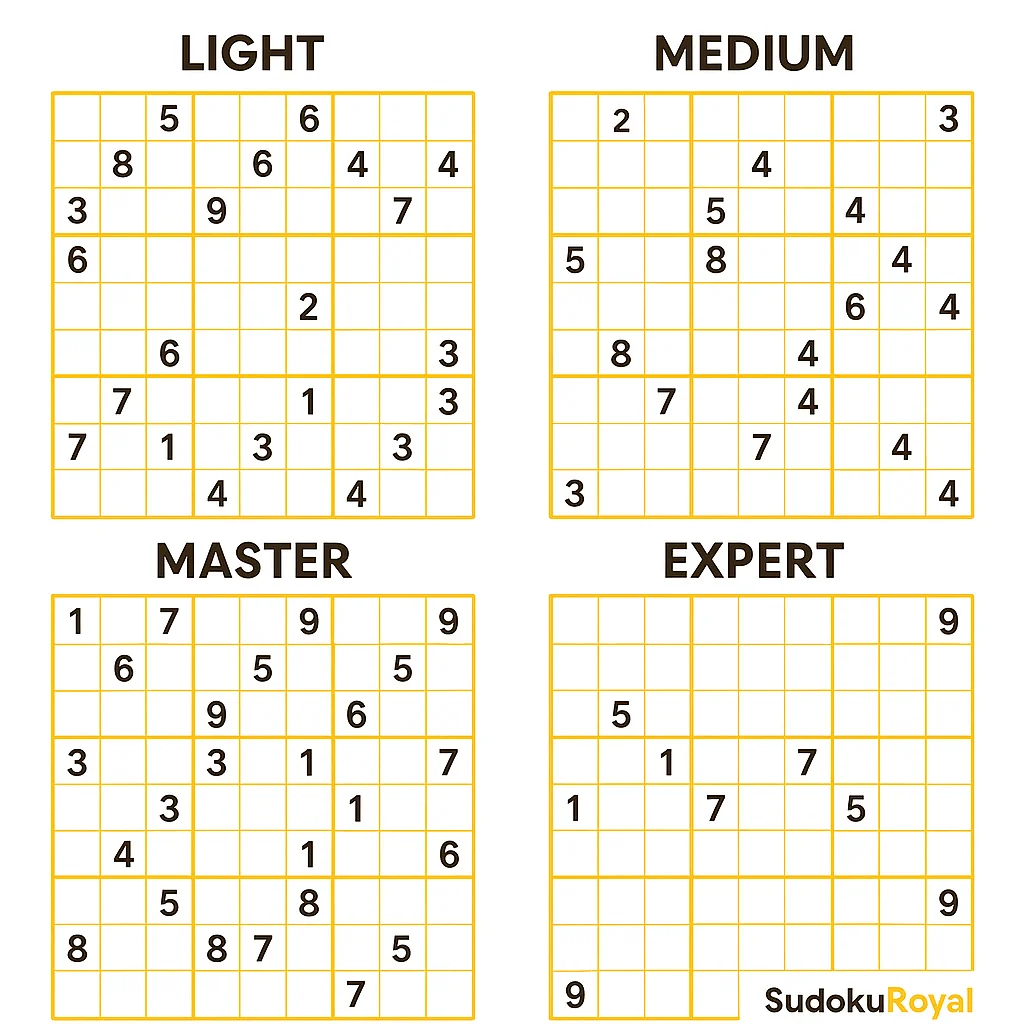
– **Start with Easy Puzzles**: Begin with easier puzzles to get a feel for the game before moving on to more challenging ones.
– **Take Your Time**: Don’t rush. Sudoku is a puzzle game, and it’s meant to be solved at your own pace.
– **Use pencil and paper**: It’s common to make mistakes, so using a pencil and eraser can help you experiment without frustration.
– **Avoid Guessing**: Try to solve each puzzle logically. Guessing can lead to incorrect solutions.
#### FAQs
**Q: Can I use a calculator to solve Sudoku?**
A: While a calculator can help with arithmetic, Sudoku is a logic-based puzzle. It’s recommended to solve it using logical deduction rather than calculation.
**Q: Is there a strategy to solve Sudoku quickly?**
A: Yes, there are strategies like “X-Wing”, “Swordfish”, and “Jellyfish” that can be used to solve more complex puzzles quickly. However, these strategies are best learned after you have a good understanding of basic Sudoku solving techniques.
**Q: Can I solve Sudoku on my phone?**
A: Absolutely! There are many Sudoku apps available that allow you to solve puzzles on your smartphone or tablet. Some apps even offer a variety of difficulty levels and puzzles.
**Q: Is Sudoku a good game for brain training?**
A: Yes, Sudoku is often recommended as a brain training activity. It can help improve concentration, logical reasoning, and memory.
**Q: Can I solve Sudoku without any givens?**
A: In a standard Sudoku puzzle, there are always givens. However, it’s possible to create a puzzle with no givens, known as a “diagonal Sudoku” or “empty grid Sudoku,” where you must start with an empty grid and use logic to fill it in.
**Q: Are there different types of Sudoku?**
A: Yes, there are many variations of Sudoku, including Diagonal Sudoku, Jigsaw Sudoku, and Sudoku X. Each type has its own set of rules and challenges.
By understanding the basics and practicing regularly, you can improve your Sudoku-solving skills and enjoy the challenge of this engaging puzzle game.