### Sudoku Tips for Beginners and Experts Alike
#### Enhancing Your Sudoku Experience
1. **Start with Easy Puzzles**: Begin with puzzles that are labeled as easy or beginner. This will help you get a hang of the game without feeling overwhelmed.
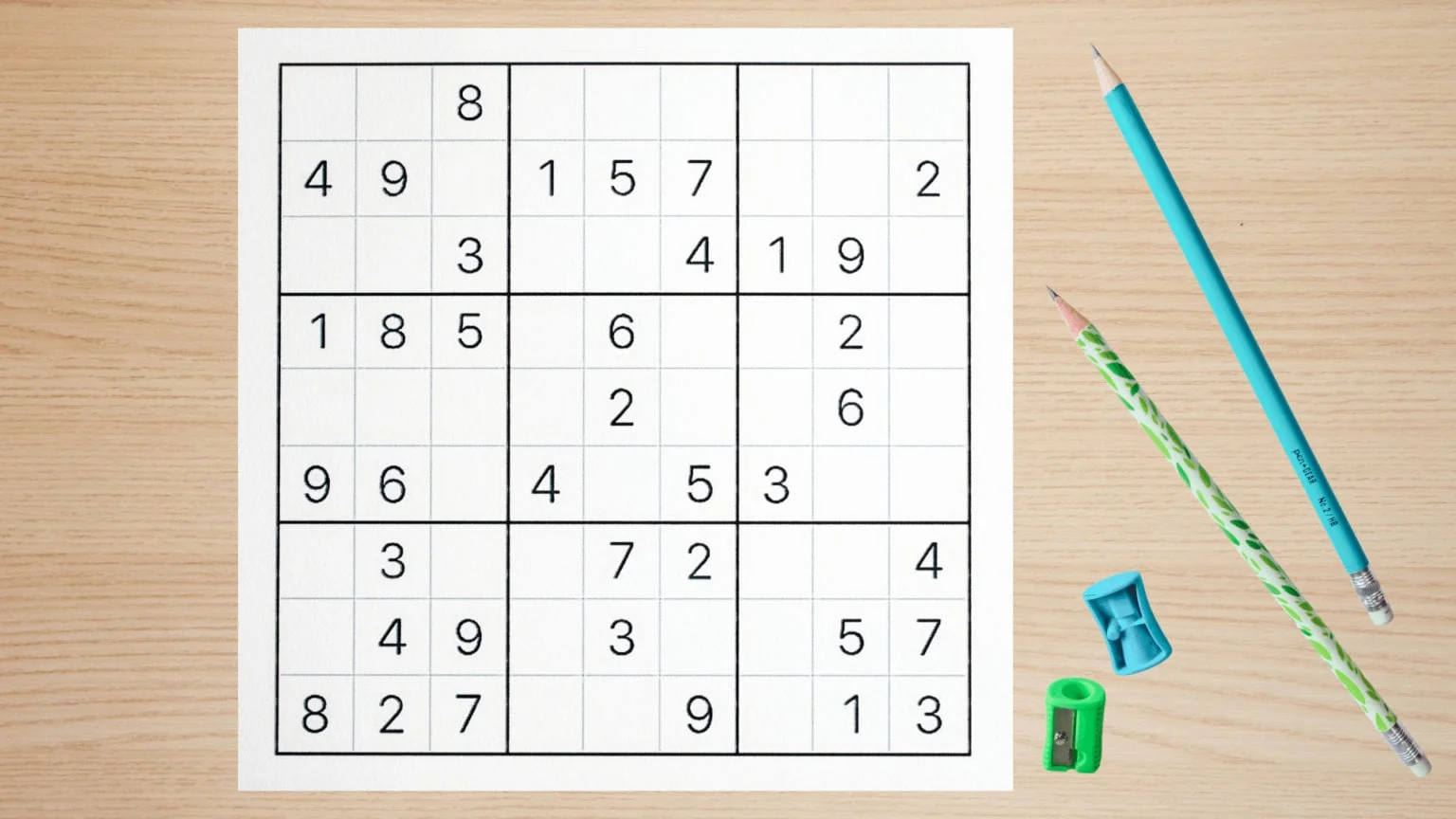
2. **Use the Grid Method**: Mark potential numbers in each cell by drawing light lines or using a pencil. This helps you visualize the possible combinations and reduces mistakes.
3. **Focus on Single Candidates**: Look for cells with only one possible candidate. Filling these in can often provide valuable clues for other parts of the puzzle.
4. **Utilize the Subgrid Technique**: Divide the grid into three smaller 3×3 grids (also known as subgrids or boxes). Focus on the subgrid that gives you the most information.
5. **Look for Patterns**: Some puzzles have patterns that are not immediately obvious. Pay attention to rows, columns, and subgrids for repeated sequences.
6. **Crosshatching**: Crosshatch lines where numbers are missing to help eliminate possibilities quickly.
7. **Avoid Guessing**: Try to avoid guessing unless absolutely necessary. If you must guess, mark your guesses and backtrack if you reach a dead end.
8. **Practice Regularly**: Like any skill, regular practice will improve your speed and accuracy.
#### Frequently Asked Questions (FAQ)
**Q: How do I improve my Sudoku skills?**
A: Consistent practice, starting with easier puzzles, and understanding different solving techniques can significantly improve your Sudoku skills.
**Q: Is it necessary to use a pencil when solving Sudoku?**
A: While it’s not necessary, using a pencil to mark potential numbers can help you visualize the puzzle and make it easier to backtrack if needed.
**Q: Can I use a calculator or computer to solve Sudoku?**
A: Yes, you can use a calculator or computer, but it’s recommended to practice solving Sudoku by hand to enhance your mental arithmetic and logical thinking skills.
**Q: What is the best way to approach a difficult Sudoku puzzle?**
A: For difficult puzzles, start by filling in easy cells, then look for patterns and symmetries. Don’t rush; take your time to analyze the puzzle carefully.
**Q: Can Sudoku be solved using a logical approach only?**
A: Yes, Sudoku can be solved entirely using logical reasoning. The process involves identifying single candidates, using the grid method, and crosshatching to eliminate possibilities.
**Q: Are there different types of Sudoku puzzles?**
A: Yes, there are various types of Sudoku puzzles, including standard 9×9 grids, variations with different grid sizes, and puzzles with additional constraints or patterns.
**Q: How long should it take to solve a Sudoku puzzle?**
A: The time it takes to solve a Sudoku puzzle can vary greatly. Easy puzzles can be solved in a few minutes, while complex ones can take hours or even days for an expert solver. Enjoy the process and don’t rush it.