### Beginner Sudoku Strategies
#### Understanding Sudoku
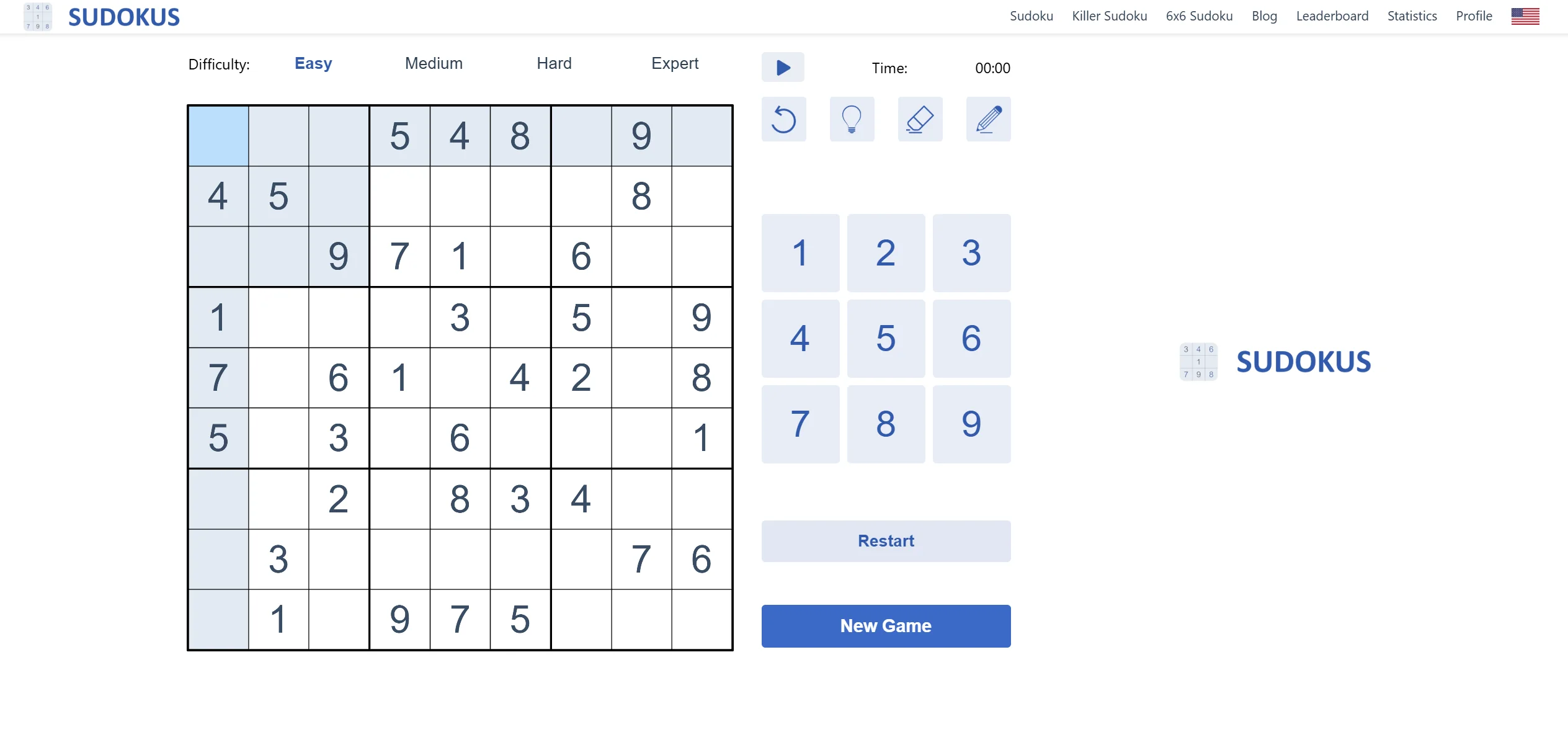
Sudoku is a popular puzzle game that requires players to fill a 9×9 grid with numbers so that each column, each row, and each of the nine 3×3 subgrids that compose the grid (also called “boxes”, “blocks”, or “regions”) contain all of the digits from 1 to 9. As a beginner, it’s important to understand some fundamental strategies to tackle this puzzle effectively.
#### Strategy 1: Solving for the Most Common Number
Begin by identifying the number that appears most frequently in the rows, columns, and boxes. This number is often a good candidate for completion because it has the highest potential to be placed in multiple locations without violating Sudoku rules.
#### Strategy 2: Using Pencil Marks
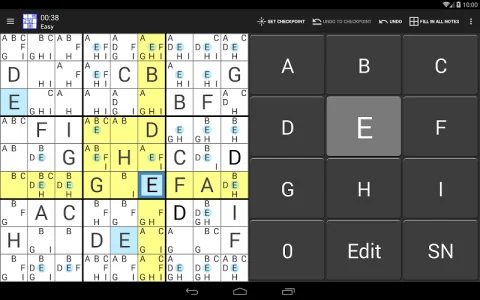
Pencil marks, or candidate numbers, are helpful for tracking potential solutions. Write these numbers in small circles or dots next to the empty squares. This visual aid can prevent you from making mistakes and help you solve the puzzle more efficiently.
#### Strategy 3: Eliminating Possibilities
Once you have filled in some numbers, eliminate possibilities for the remaining empty squares. Look for rows, columns, or boxes that have only one possible number for a particular cell, and fill it in accordingly.
#### Strategy 4: Looking for Pairs, Triples, and Quads
A pair is when two cells in the same row, column, or box can only contain two numbers. A triple is three cells with three possibilities, and a quad is four cells with four possibilities. When you find these patterns, you can use process of elimination to determine the correct numbers.
#### Strategy 5: Using the “X-Wing” Technique
The “X-Wing” technique involves finding two rows or columns that have only two empty cells each, with the same two numbers. If these cells are in different columns or rows, and the numbers are only in these two rows or columns, then you can eliminate those numbers from the other cells in the same columns or rows.
#### Strategy 6: Utilizing the “Swordfish” Strategy
Similar to the “X-Wing,” the “Swordfish” involves four cells in two rows and two columns that can only contain the same two numbers. If these cells form a “swordfish” pattern, you can eliminate those numbers from the other cells in the same rows and columns.
#### Frequently Asked Questions (FAQ)
**Q: Can I use a calculator or a computer program to solve Sudoku?**
A: While calculators and computer programs can help solve Sudoku puzzles, it is recommended to practice solving them manually to enhance your problem-solving skills.
**Q: Is there a limit to how many strategies I can use to solve a Sudoku?**
A: There is no limit to the number of strategies you can use. However, as a beginner, it is best to start with simpler techniques and gradually move on to more complex ones.
**Q: Can I use a strategy to find the solution without checking if the numbers fit the rules?**
A: It is crucial to always check that the numbers you place in the grid adhere to Sudoku rules. Even if you use a strategy, you must ensure that the solution is valid.
**Q: Are there any online resources or books that can help me improve my Sudoku-solving skills?**
A: Yes, there are numerous online resources, tutorials, and books available that offer tips, strategies, and puzzles for players of all skill levels. Some popular Sudoku resources include websites, mobile apps, and puzzle books specifically designed for Sudoku enthusiasts.