### Sudoku: A Detailed Explanation
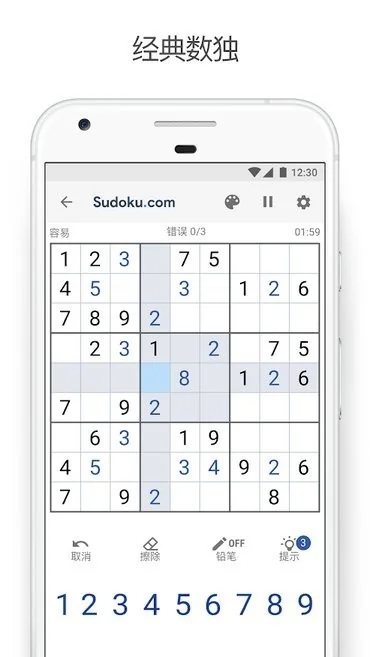
Sudoku is a popular puzzle game that requires logic and reasoning skills to fill a 9×9 grid with digits so that each column, each row, and each of the nine 3×3 subgrids that compose the grid contain all of the digits from 1 to 9. The objective is to place numbers from 1 to 9 in such a way that each row, each column, and each of the nine 3×3 subgrids contain all the digits from 1 to 9. The puzzle setter provides a partially completed grid, which for a well-posed puzzle has a single solution.
#### How Does Sudoku Work?
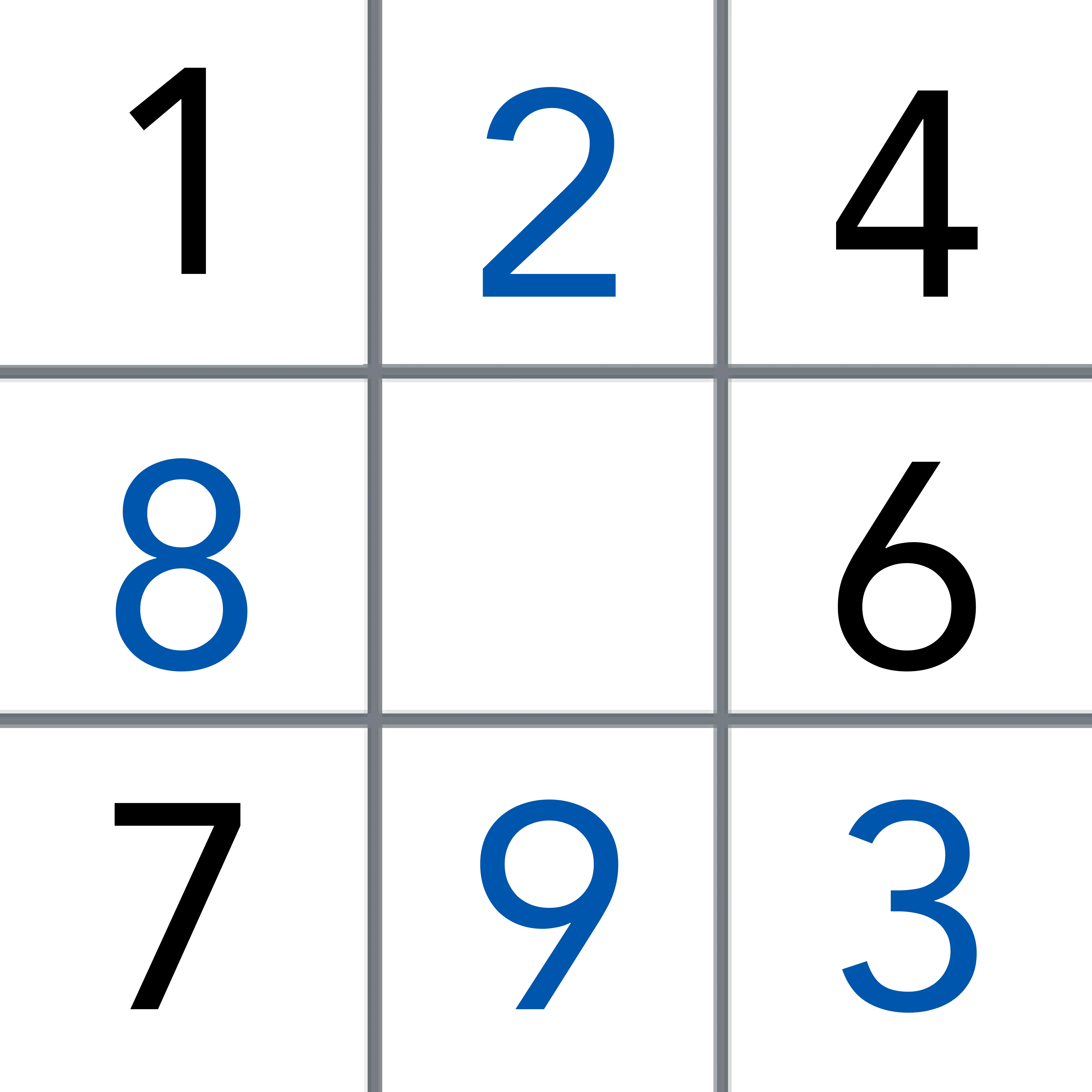
1. **Grid Structure**: A standard Sudoku grid has 9 rows and 9 columns, creating a 9×9 matrix.
2. **Subgrids**: The grid is divided into nine 3×3 subgrids, also known as “boxes” or “blocks.”
3. **Number Placement**: The goal is to fill the empty cells with numbers from 1 to 9, ensuring that each number appears only once in each row, column, and subgrid.
4. **Clues Provided**: Sudoku puzzles typically start with some cells already filled in, known as “givens” or “clues,” which help guide the solver.
#### Rules of Sudoku
– **Unique Solution**: Each Sudoku puzzle must have a unique solution that can be reached logically.
– **No Repetitions**: A digit must not repeat in the same row, column, or 3×3 subgrid.
– **Logical Deduction**: Solvers must use logical deduction and elimination techniques to fill in the remaining cells.
#### Frequently Asked Questions (FAQ)
**Q1: What is the origin of Sudoku?**
A1: Sudoku originated in Japan in the 1970s, inspired by a Latin square puzzle called “Number Place” created by Howard Garns in the United States in the 1950s.
**Q2: Are there different variations of Sudoku?**
A2: Yes, there are many variations of Sudoku, including different grid sizes, additional constraints, and themes. Some popular variations include Mini Sudoku, Jigsaw Sudoku, and Diagonal Sudoku.
**Q3: Can a Sudoku puzzle have more than one solution?**
A3: No, a well-posed Sudoku puzzle should have a unique solution that can be reached through logical deduction.
**Q4: What is the highest difficulty level of Sudoku?**
A4: Sudoku puzzles can vary in difficulty, with “Expert” or “Very Hard” puzzles considered the most challenging.
**Q5: Is Sudoku good for brain health?**
A5: Yes, Sudoku is often considered a brain-teaser that can help improve cognitive functions such as concentration, memory, and problem-solving skills.
**Q6: How can I improve my Sudoku skills?**
A7: To improve your Sudoku skills, practice regularly, learn new techniques, and try solving puzzles of increasing difficulty.
**Q8: Can Sudoku be solved using a computer?**
A8: Yes, Sudoku can be solved using computer algorithms. However, many players prefer the challenge and satisfaction of solving puzzles manually.
**Q9: Are there Sudoku puzzles for all ages?**
A9: Yes, Sudoku puzzles are suitable for players of all ages. There are variations designed for different skill levels, making the game accessible to children and adults alike.
**Q10: Is Sudoku a competitive sport?**
A10: Yes, Sudoku has gained recognition as a competitive sport. Sudoku competitions are held around the world, featuring both individual and team events.