### Sudoku Free Frequently Asked Questions (FAQ)
#### Q1: What is Sudoku?
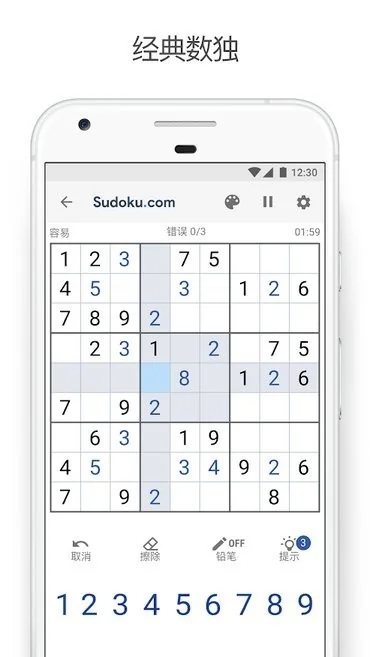
A1: Sudoku is a logic-based, combinatorial number-placement puzzle. The objective is to fill a 9×9 grid with digits so that each column, each row, and each of the nine 3×3 subgrids that compose the grid (also called “boxes”, “blocks”, or “regions”) contain all of the digits from 1 to 9.
#### Q2: Why should I play Sudoku free?
A2: Playing Sudoku free offers several benefits:
– **No Cost:** It’s a cost-effective way to enjoy a challenging and entertaining puzzle.
– **Stimulates Brain:** Sudoku enhances cognitive skills such as concentration, logic, and memory.
– **Versatility:** There are various difficulty levels, making it suitable for players of all ages and skill levels.
#### Q3: Where can I find free Sudoku puzzles?
A3: You can find free Sudoku puzzles in several places:
– **Online Platforms:** Many websites offer free Sudoku puzzles that you can play on your computer or mobile device.
– **Printable Puzzles:** There are numerous websites where you can print out Sudoku puzzles to solve offline.
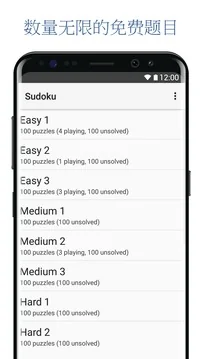
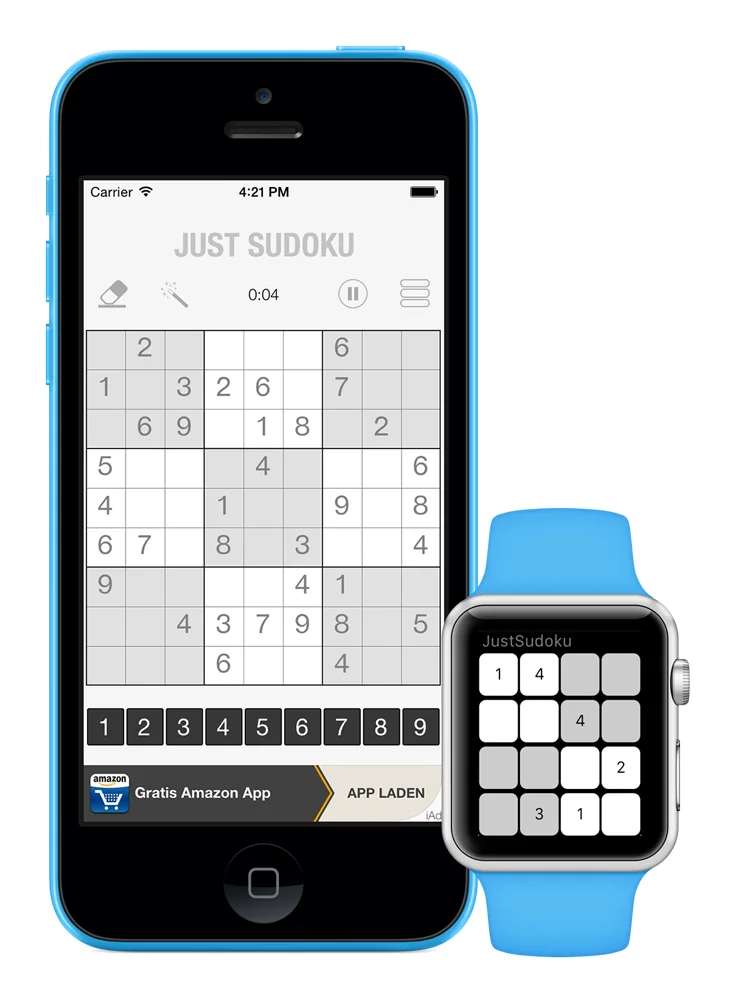
– **Mobile Apps:** Download Sudoku apps from app stores that provide free puzzles and sometimes additional features.
#### Q4: How do I solve a Sudoku puzzle?
A4: Solving a Sudoku puzzle involves several strategies:
– **Single Candidate:** Look for a cell with only one possible number that fits the puzzle’s rules.
– **Single Row/Column:** Identify a row or column where only one number can be placed.
– **Box/Region:** Examine a 3×3 subgrid to find a number that can only go in one cell.
– **Elimination:** Eliminate numbers from potential candidates based on the numbers already placed in the grid.
#### Q5: Are there different types of Sudoku puzzles?
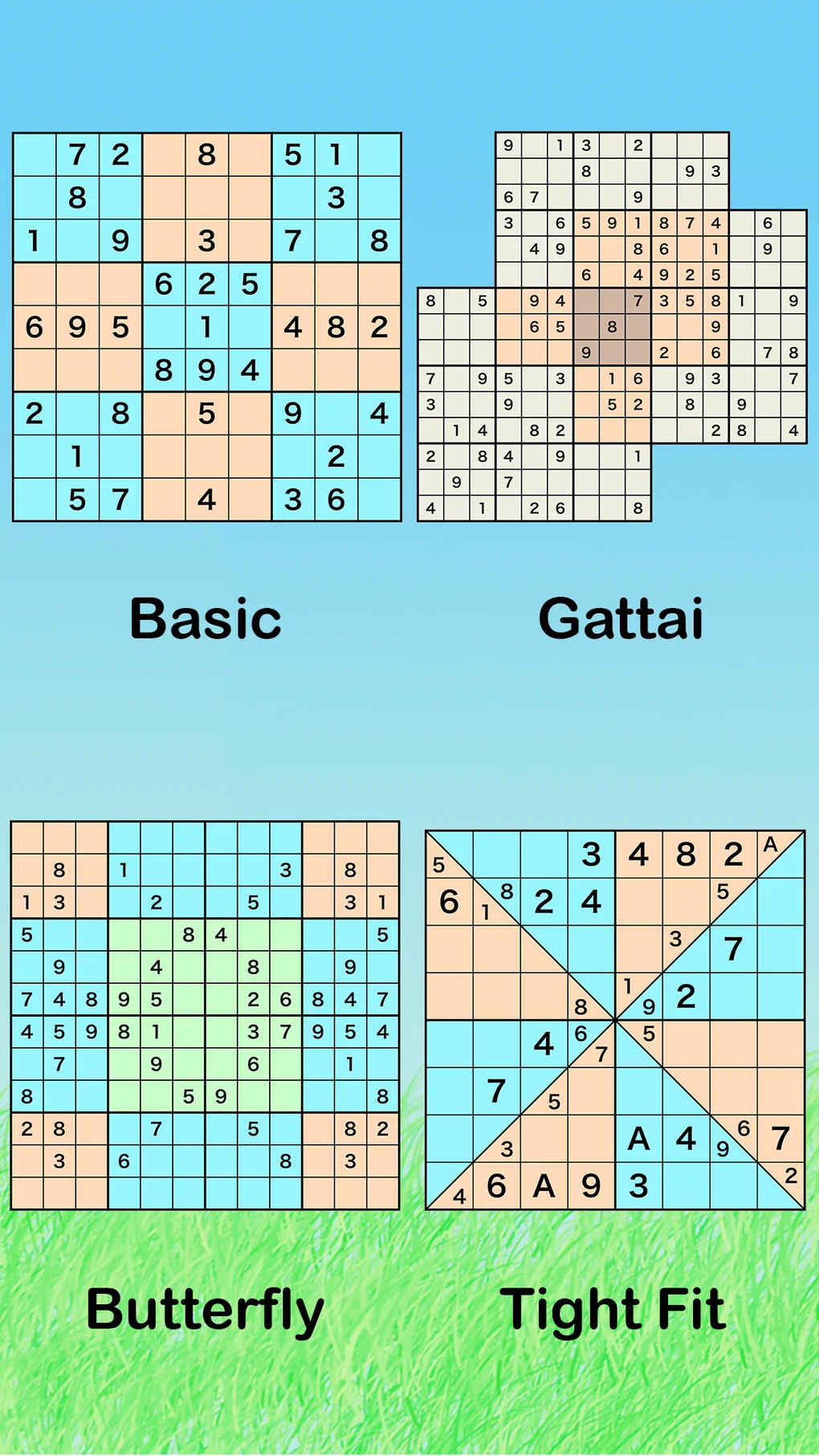
A5: Yes, there are various types of Sudoku puzzles, including:
– **Standard Sudoku:** The classic 9×9 grid with numbers 1 to 9.
– **Mini Sudoku:** A smaller version of the standard Sudoku, often 6×6 or 4×4.
– **Killer Sudoku:** A variant where some cells are marked with the sum of the numbers that will be placed in them.
– **Sudoku X:** A variation that adds an additional X pattern to the grid, requiring the same numbers to appear in both rows and columns.
#### Q6: Can I use a solver to help me solve Sudoku puzzles?
A6: Yes, you can use a solver to help you solve Sudoku puzzles. Solvers are tools that can fill in missing numbers based on the rules of Sudoku. They can be particularly helpful for solving complex puzzles or for learning new strategies.
#### Q7: Is there a recommended age for playing Sudoku?
A7: Sudoku is suitable for players of all ages. It can be a fun and educational activity for children, a challenging pastime for adults, and a relaxing hobby for seniors. The difficulty level can be adjusted to suit individual skill levels.
#### Q8: Can Sudoku improve my concentration and memory?
A8: Yes, Sudoku can improve concentration and memory. Regularly solving Sudoku puzzles can help enhance cognitive functions, making it a beneficial activity for mental health and cognitive fitness.
#### Q9: Are there any Sudoku puzzles that are too hard?
A9: Yes, there are Sudoku puzzles that are considered too hard for many players. These puzzles often require advanced techniques and a high level of logical reasoning. However, difficulty is subjective, and what is too hard for one person may be manageable for another.
#### Q10: Can I create my own Sudoku puzzles?
A10: Yes, you can create your own Sudoku puzzles. There are online tools and software available that allow you to generate puzzles of various difficulty levels. You can also use these tools to customize the grid size or add unique constraints to create a personalized Sudoku experience.