## Sudoku Solution: A Step-by-Step Guide
### Introduction
Sudoku is a popular puzzle game that challenges your logical thinking and problem-solving skills. Whether you are a beginner or an experienced solver, understanding the strategies and techniques to solve Sudoku puzzles can greatly enhance your enjoyment and proficiency. This article provides a comprehensive guide on how to solve Sudoku puzzles step by step.
### Step 1: Understand the Basics
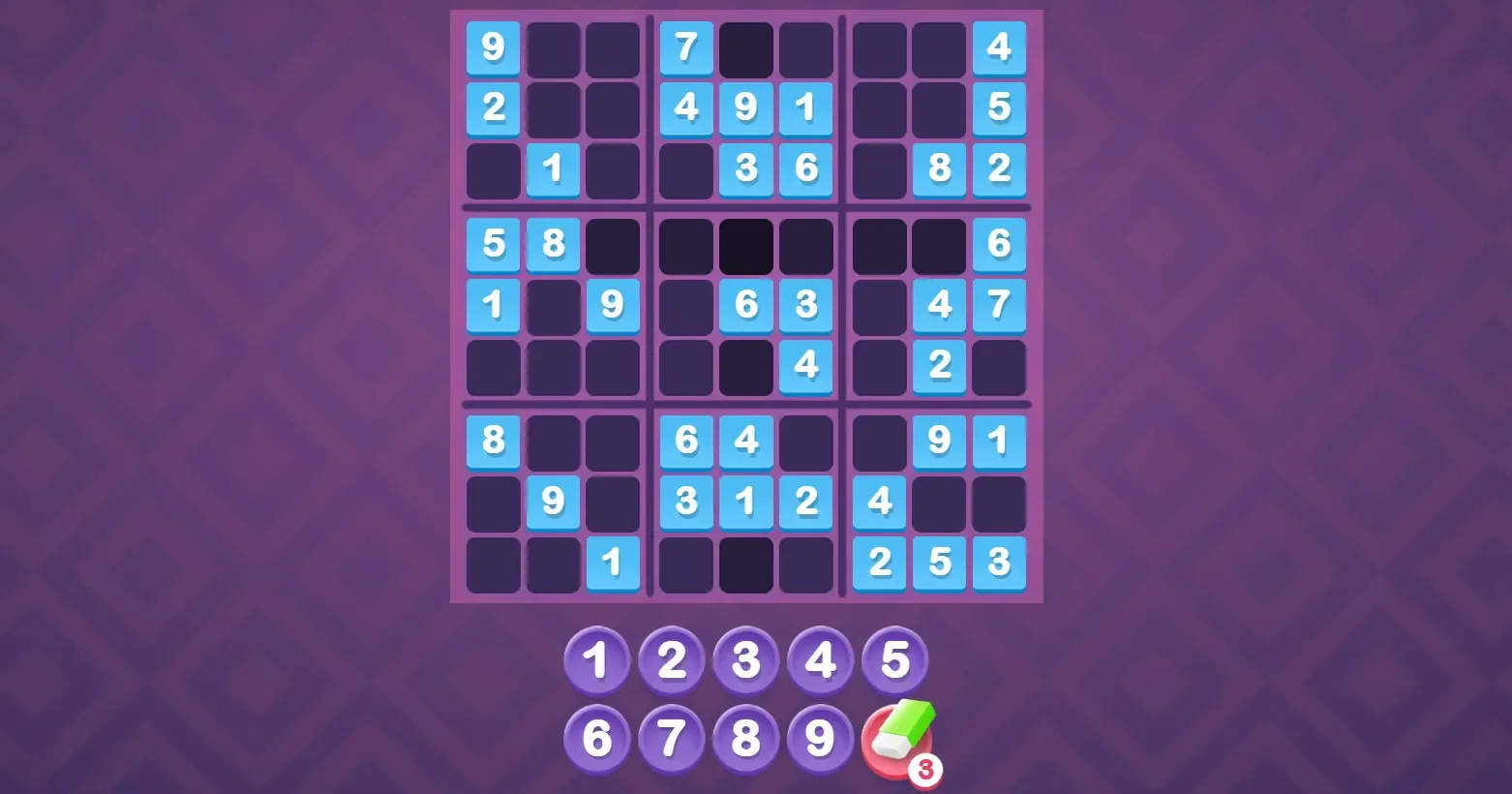
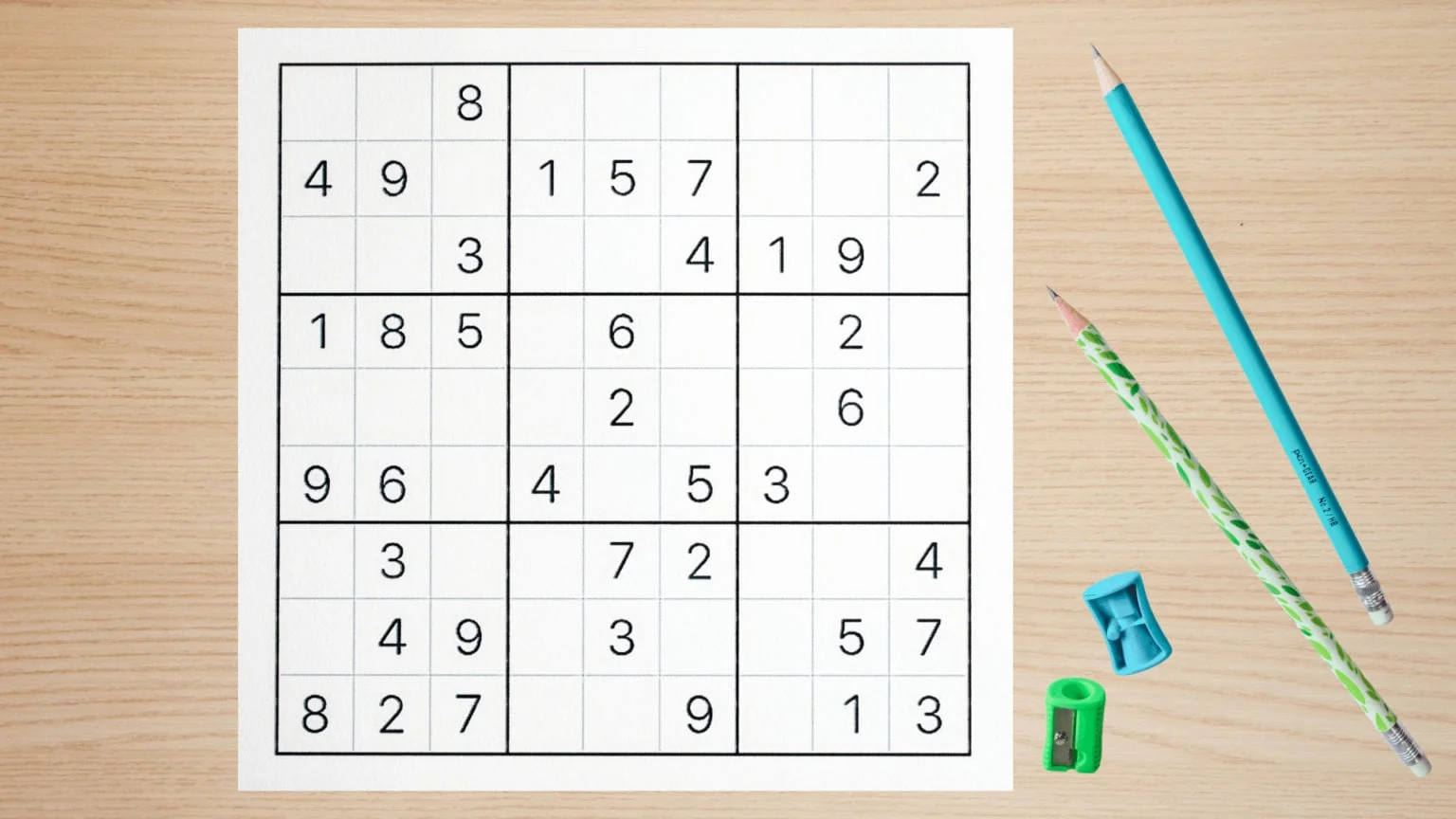
Before diving into the solution techniques, it is essential to understand the basics of Sudoku. A Sudoku grid consists of nine 3×3 subgrids, known as “boxes” or “regions.” Each row, column, and box must contain all digits from 1 to 9 without repetition.
### Step 2: Identify and Eliminate Obvious Candidates
Start by filling in any obvious digits that can be determined without any guessing. Look for rows, columns, or boxes where only one possible digit can fit, and fill it in accordingly.
### Step 3: Use the Process of Elimination
For cells that have more than one possible digit, use the process of elimination to narrow down the choices. Consider the following:
– **Single Candidate:** If only one digit can fit in a cell, fill it in.
– **Naked Pairs/Triples/Quadruples:** If two, three, or four digits can fit in a row, column, or box, and these digits are the only ones that can fit in that row, column, or box, fill them in.
– **Pointing Pairs/Triples/Quadruples:** If two, three, or four digits can fit in a row, column, or box, and these digits are the only ones that can fit in one of the rows, columns, or boxes, mark them as potential candidates in the other boxes.
### Step 4: Apply X-Wing and Swordfish Techniques
These advanced techniques involve identifying patterns in the grid that allow you to eliminate more than one candidate from a particular row, column, or box.
– **X-Wing:** When two rows or two columns have two pairs of the same digits that can only fit in two specific boxes, those boxes can be eliminated from other rows or columns.
– **Swordfish:** Similar to the X-Wing, but with three rows or columns and three pairs of digits.
### Step 5: Look for Hidden Pairs/Triples/Quadruples
Sometimes, there are hidden pairs, triples, or quadruples in a row, column, or box. These are patterns where only one digit can fit in a specific box, and that digit is the only one that can fit in that row, column, or box.
### Step 6: Use Guessing and Backtracking as a Last Resort
If you’ve reached a point where you cannot make any more progress with logical deduction, it may be time to use guessing and backtracking. Make an educated guess for a cell, then fill in the rest of the grid and check for any conflicts. If a conflict arises, backtrack to the previous step and try a different digit.
### Frequently Asked Questions (FAQ)
**Q1: What is Sudoku?**
A1: Sudoku is a logic-based, combinatorial number-placement puzzle. The objective is to fill a 9×9 grid with digits so that each column, each row, and each of the nine 3×3 subgrids that compose the grid contain all of the digits from 1 to 9.
**Q2: Can I solve Sudoku puzzles without any strategy?**
A2: While it is possible to solve Sudoku puzzles through trial and error, using strategies can significantly improve your efficiency and enjoyment. Strategies like process of elimination, X-Wing, and Swordfish can help you solve puzzles more quickly.
**Q3: How do I improve my Sudoku-solving skills?**
A3: To improve your Sudoku-solving skills, practice regularly, learn new strategies, and challenge yourself with puzzles of increasing difficulty. You can also study tutorials and guides to understand different techniques.
**Q4: Are there different types of Sudoku puzzles?**
A4: Yes, there are various types of Sudoku puzzles, including standard Sudoku, Latin square, Killer Sudoku, Samurai Sudoku, and more. Each type has its unique rules and challenges, making the game diverse and engaging.
**Q5: Is Sudoku a good game for cognitive development?**
A5: Yes, Sudoku is a great game for cognitive development. It helps improve concentration, memory, logical thinking, and problem-solving skills. Regularly solving Sudoku puzzles can also enhance your cognitive flexibility and reduce the risk of cognitive decline in older adults.