**Sudoku Game Hints: Strategies for Solving Puzzles**
**Section 1: Basic Sudoku Strategies**
– **Using the Single Candidate Rule**
– This rule helps in identifying the only possible placement for a number in a specific cell. It works by eliminating all other possible candidates for that number in the same row, column, or 3×3 subgrid.
– **Implementing the Hidden Pair Strategy**
– The hidden pair strategy is useful when two cells in a row, column, or subgrid share the same two numbers as their only candidates. By placing these numbers, the other candidates for those cells are automatically eliminated.
– **Applying the X-Wing Technique**
– The X-Wing strategy is a more advanced technique used when four cells in two intersecting rows or columns share the same two numbers. Placing these numbers in the correct cells allows you to eliminate these numbers from other rows or columns, often leading to further breakthroughs.
**Section 2: Advanced Sudoku Tips**
– **Employing the Swordfish Strategy**
– Similar to the X-Wing, the Swordfish strategy involves five cells in three intersecting rows or columns. By identifying the correct placement of a number, you can eliminate it from other cells, creating new opportunities for solving.
– **Using the Jellyfish Strategy**
– The Jellyfish strategy is a variant of the Swordfish and works with three sets of three cells. It’s more complex but can be highly effective in solving particularly challenging puzzles.
– **The naked triple and quadruple techniques**
– When three or four cells in a row, column, or subgrid each have only one possible number left as a candidate, these numbers can be placed with confidence. This often clears up the puzzle and allows for more advanced strategies to be applied.
**Section 3: FAQ**
**Q: What is a Sudoku puzzle?**
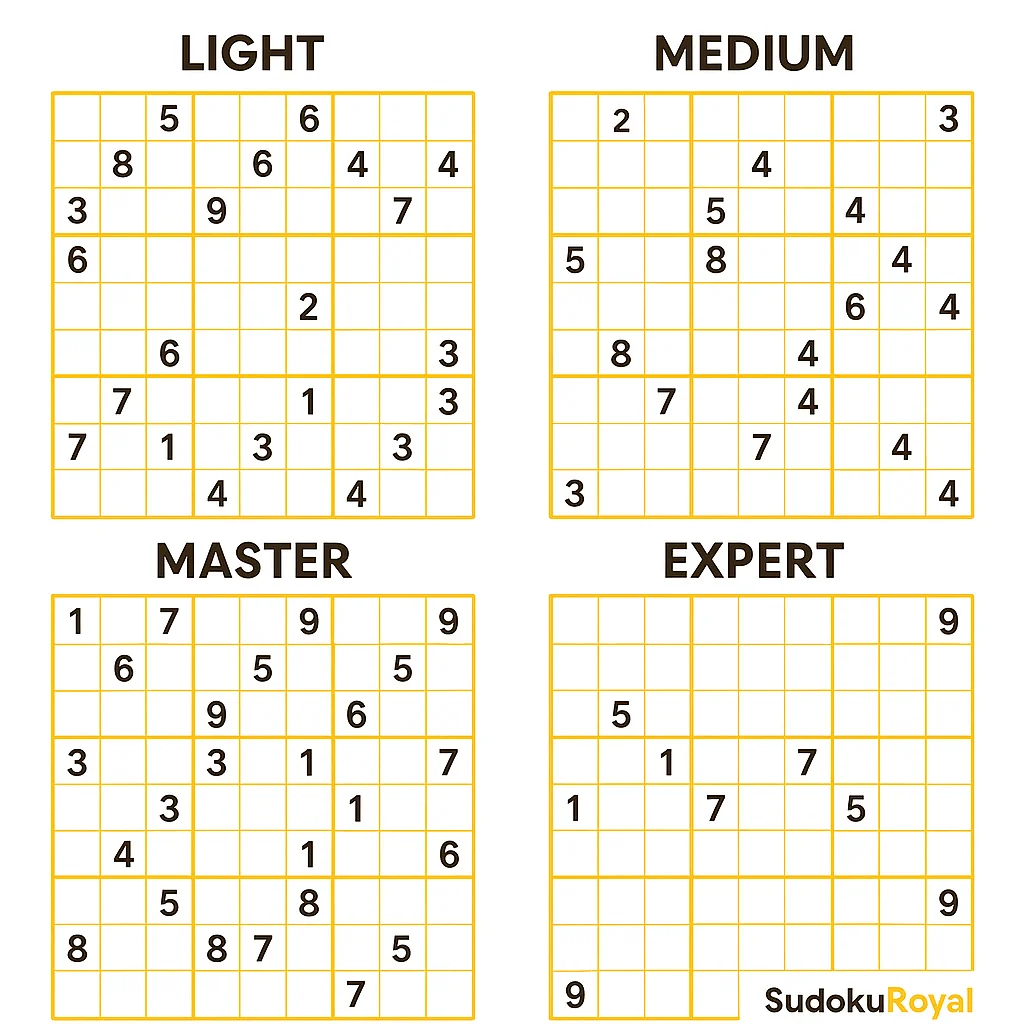
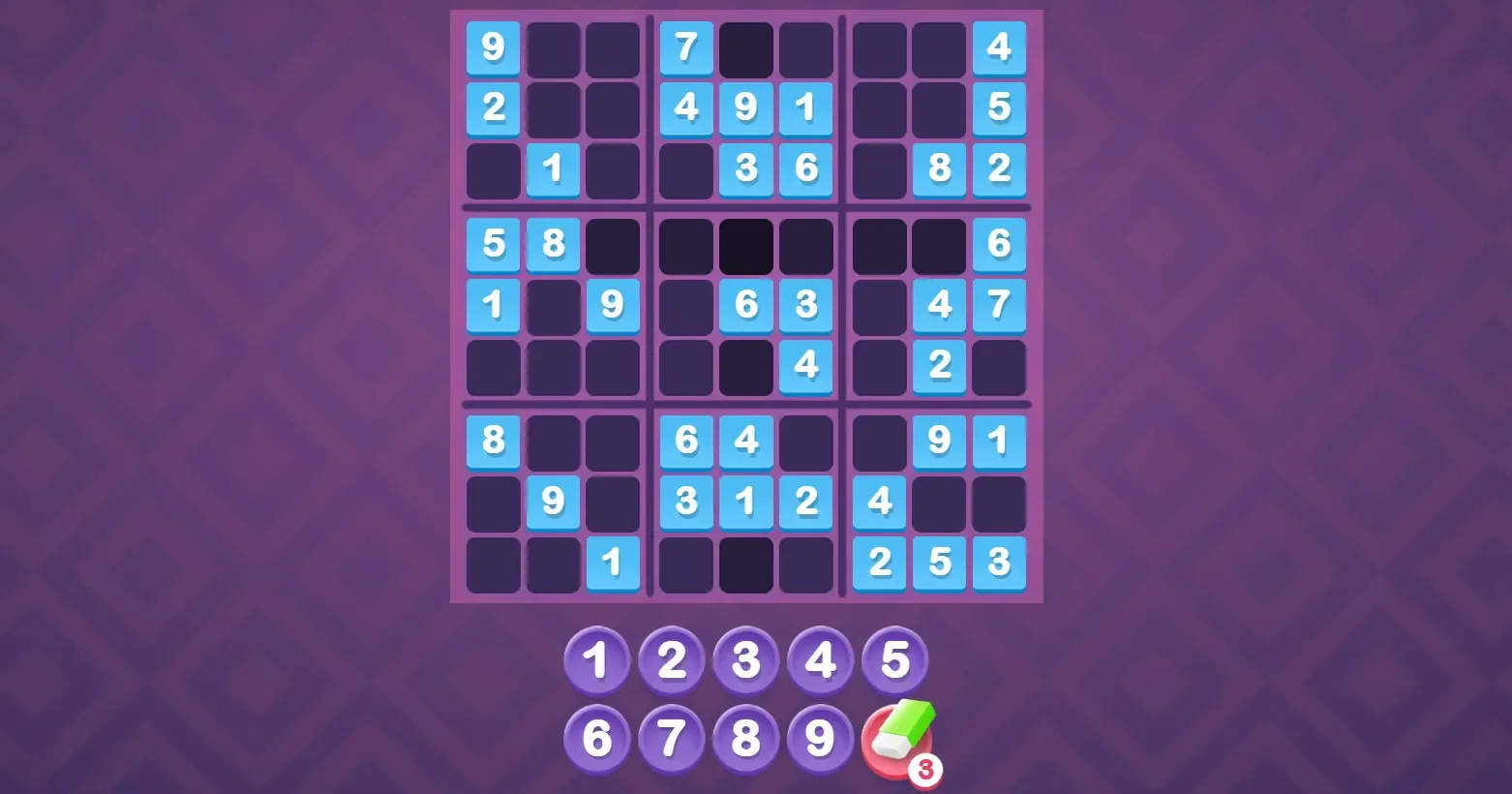
A: Sudoku is a logic-based combinatorial number-placement puzzle. The objective is to fill a 9×9 grid with digits so that each column, each row, and each of the nine 3×3 subgrids that compose the grid (also called “boxes”, “blocks”, or “regions”) contain all of the digits from 1 to 9.
**Q: How do I start solving a Sudoku puzzle?**
A: Begin by identifying any cells with a single possible number (single candidate) and fill them in. Then, look for pairs, triples, or quads with unique candidates and fill in those numbers, eliminating them from other cells in the same row, column, or subgrid.
**Q: Can I use a calculator to solve Sudoku puzzles?**
A: While you can use a calculator to verify your answers, Sudoku is a puzzle that requires logical reasoning and pattern recognition. It’s recommended to solve puzzles without calculators to enhance your problem-solving skills.
**Q: Are there different types of Sudoku puzzles?**
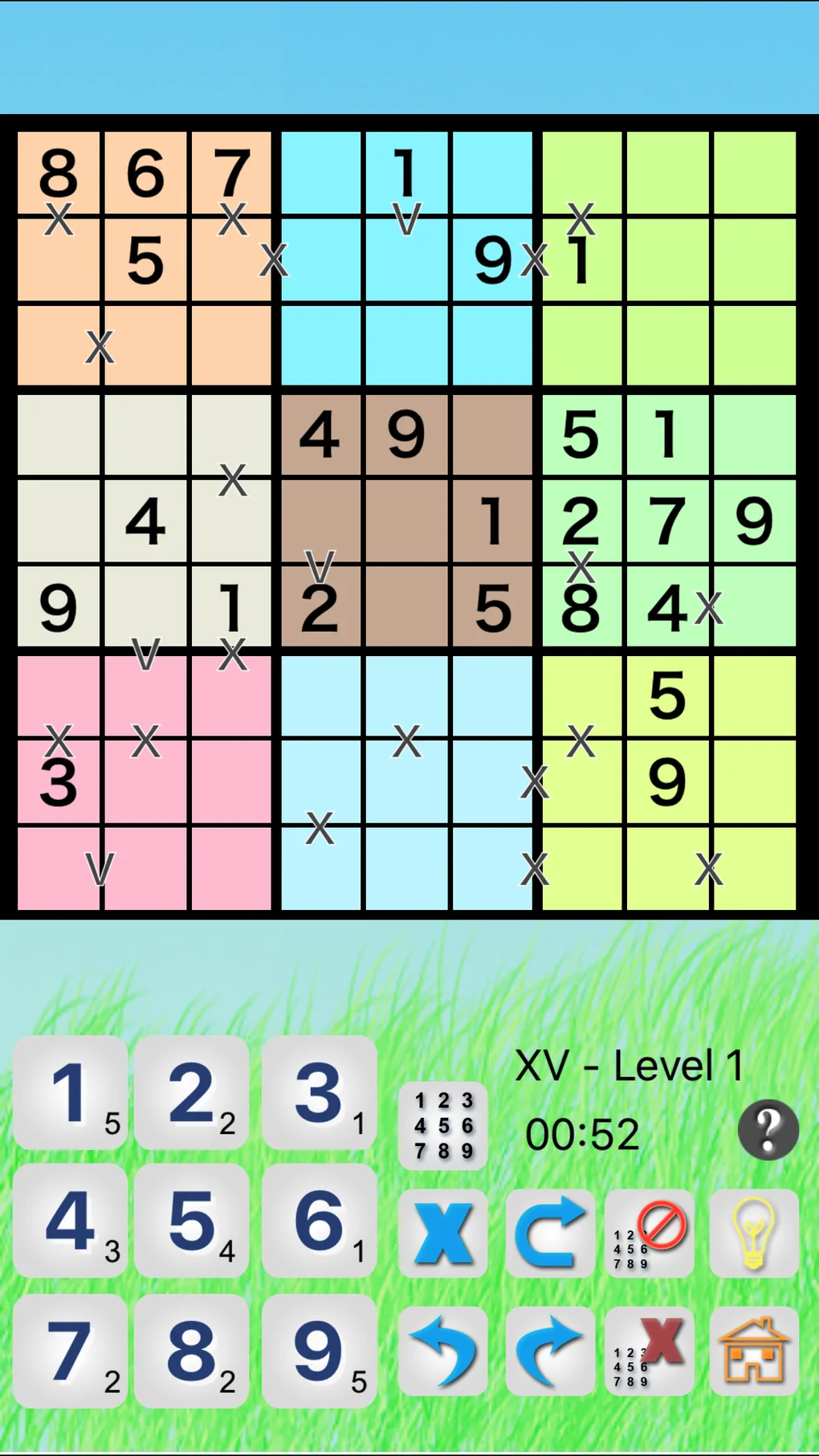
A: Yes, there are various types of Sudoku puzzles, including standard 9×9 grids, variations with different grid sizes, and puzzles with additional constraints such as extra regions or diagonals.
**Q: Can I get hints or solutions to Sudoku puzzles?**
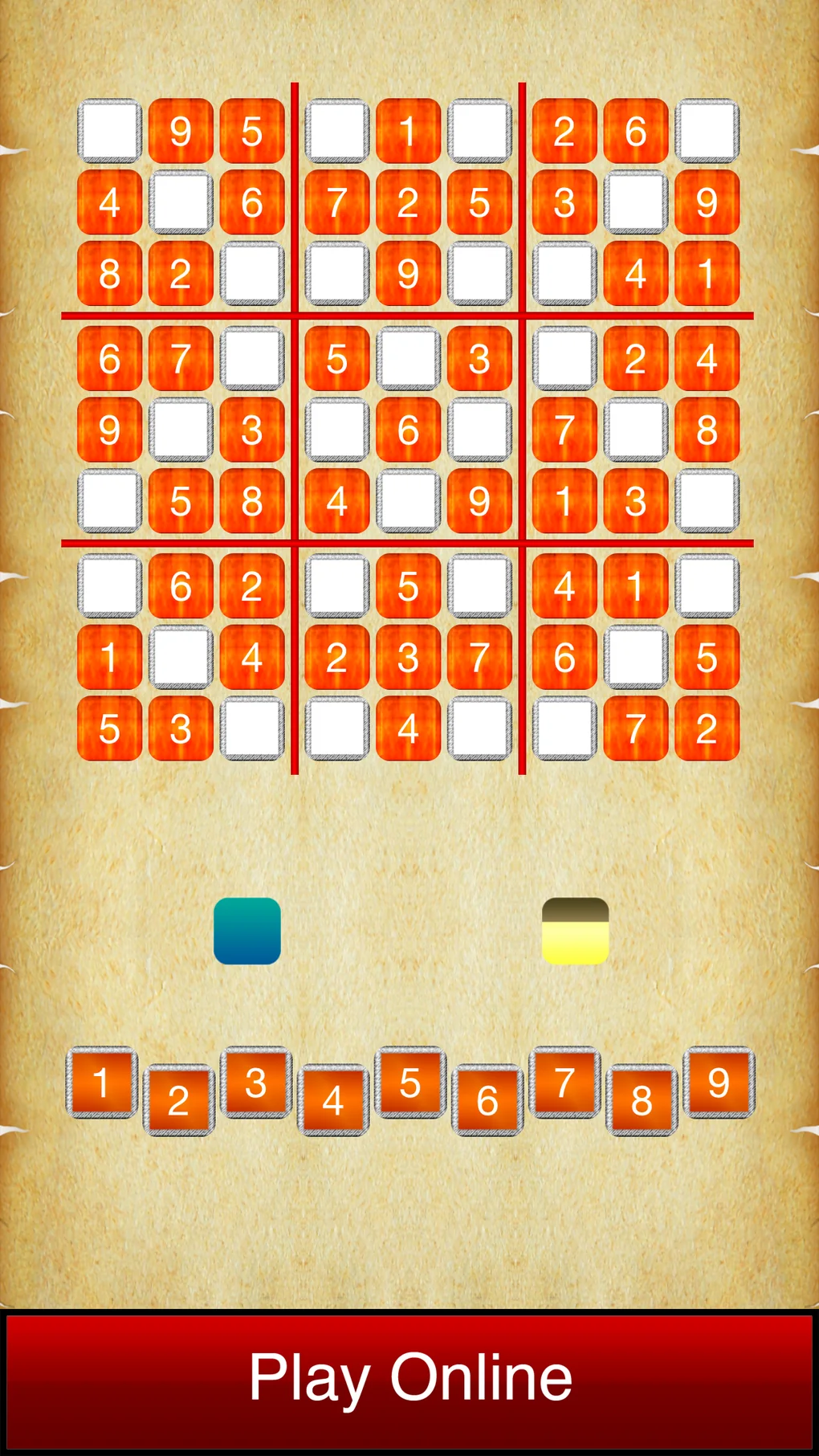
A: Yes, there are many online resources, apps, and websites that offer hints, solutions, and step-by-step guides to help you solve Sudoku puzzles. These can be useful for learning strategies or for tackling particularly difficult puzzles.