### Article: Enhancing Classroom Engagement with Electronic Sudoku
Electronic Sudoku has emerged as a popular tool for enhancing classroom engagement and fostering critical thinking skills. This article explores how teachers can incorporate this interactive puzzle game into their lesson plans to create a more dynamic and engaging learning environment.
#### What is Electronic Sudoku?
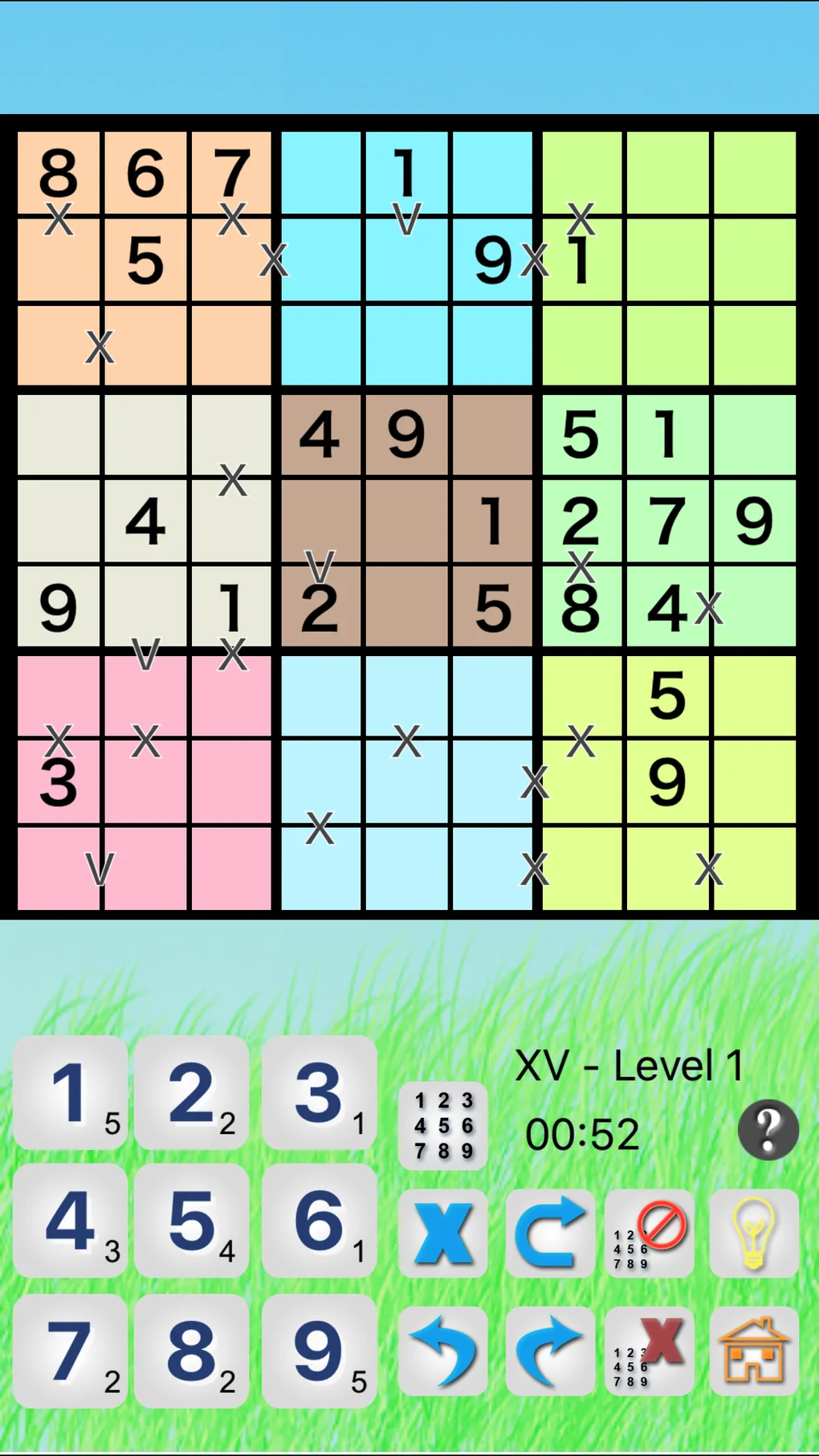
Electronic Sudoku is a digital version of the classic number puzzle game. Players are required to fill a 9×9 grid with numbers 1-9, ensuring that each number appears only once in each row, column, and 3×3 subgrid. The digital format offers various difficulty levels, making it suitable for students of all ages and abilities.
#### Benefits of Electronic Sudoku in the Classroom
1. **Engages Students**: Electronic Sudoku provides an interactive and engaging activity that captures students’ attention and encourages active participation.
2. **Develops Critical Thinking**: Solving Sudoku puzzles enhances logical reasoning, problem-solving, and pattern recognition skills.
3. **Promotes Collaboration**: Teachers can use Sudoku to encourage group work, as students can collaborate to solve the puzzles together.
4. **Adaptable for Different Ages and Abilities**: Electronic Sudoku offers a variety of difficulty levels, allowing teachers to tailor the activity to their students’ needs.
#### How to Implement Electronic Sudoku in the Classroom
1. **Introduce the Concept**: Start by explaining the rules of Sudoku to your students. Provide a few examples to illustrate the concept.
2. **Select Appropriate Difficulty**: Choose a difficulty level that challenges your students but is not overwhelming. There are numerous online platforms and apps that offer electronic Sudoku puzzles suitable for different age groups.
3. **Incorporate into Lessons**: Integrate electronic Sudoku into your existing lesson plans. For instance, use it as a warm-up activity, a group project, or a way to reinforce concepts learned in class.
4. **Encourage Collaboration**: Assign Sudoku puzzles in groups, allowing students to work together and share their ideas.
5. **Monitor and Provide Feedback**: Observe your students as they work on the puzzles and offer guidance as needed. Celebrate their successes and encourage them to persist through challenges.
#### Frequently Asked Questions (FAQ)
**Q1: How can electronic Sudoku be used to support students with learning disabilities?**
A1: Electronic Sudoku can be adjusted to accommodate students with learning disabilities. For example, teachers can provide hints or use larger grids to make the puzzles more accessible.
**Q2: What is the best age range for electronic Sudoku?**
A2: Electronic Sudoku can be enjoyed by students of all ages, from elementary school to high school. The difficulty levels can be adjusted to suit the age group.
**Q3: Can electronic Sudoku be used for homework assignments?**
A3: Absolutely! Electronic Sudoku can be assigned as homework to reinforce classroom learning and encourage students to develop their problem-solving skills outside of school.
**Q4: Are there any online resources for electronic Sudoku puzzles?**
A4: Yes, there are numerous online resources available, including websites and apps that offer electronic Sudoku puzzles at various difficulty levels.
By incorporating electronic Sudoku into your classroom, you can create a more engaging and dynamic learning environment that promotes critical thinking and collaboration among your students.