### Sudoku Board Checker Java Code: A Comprehensive Guide
#### Introduction
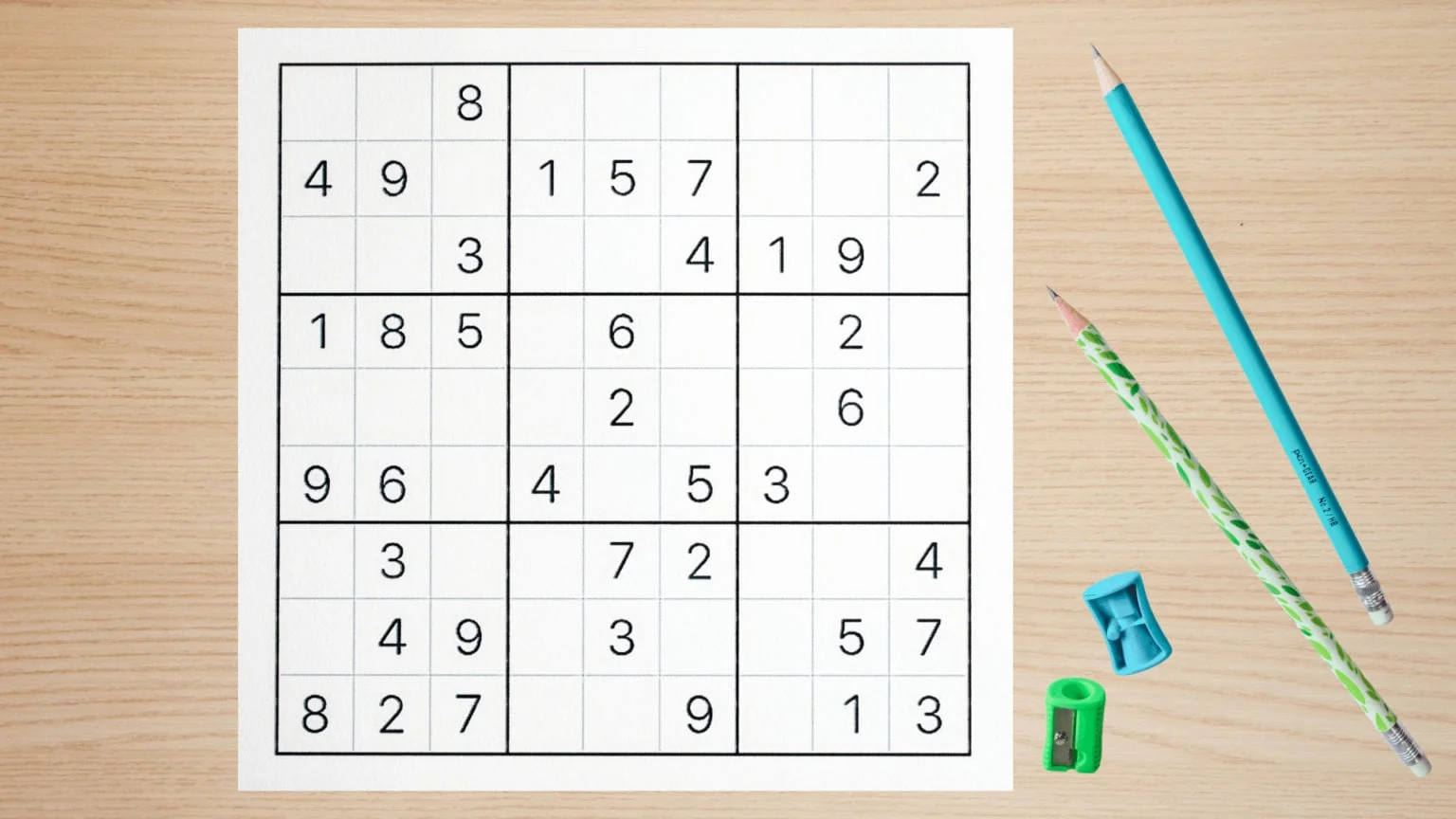
Sudoku is a popular puzzle game that requires players to fill a 9×9 grid with numbers so that each row, column, and 3×3 subgrid contains all of the digits from 1 to 9. To assist with solving Sudoku puzzles, many developers have created Sudoku board checker tools. One such tool is a Java code that can validate the correctness of a given Sudoku board. This article provides a detailed guide on how to create a Sudoku board checker using Java.
#### Getting Started
Before diving into the code, let’s understand the basic structure of a Sudoku board. A Sudoku board is represented as a 2D array, where each cell can hold a number from 1 to 9 or 0, which indicates an empty cell.
“`java
int[][] board = {
{5, 3, 0, 0, 7, 0, 0, 0, 0},
{6, 0, 0, 1, 9, 5, 0, 0, 0},
{0, 9, 8, 0, 0, 0, 0, 6, 0},
// … (remaining rows)
};
“`
#### Sudoku Board Checker Java Code
The following Java code defines a method `isSudokuValid` that checks if a given Sudoku board is valid. The method iterates through each cell of the board and ensures that the same number does not appear more than once in any row, column, or 3×3 subgrid.
“`java
public class SudokuChecker {
public static boolean isSudokuValid(int[][] board) {
if (board == null || board.length != 9 || board[0].length != 9) {
return false;
}
for (int row = 0; row < 9; row++) { for (int col = 0; col < 9; col++) { int num = board[row][col]; if (num != 0) { if (!isValidRow(board, row, num) || !isValidCol(board, col, num) || !isValidSubgrid(board, row, col, num)) { return false; } } } } return true; } private static boolean isValidRow(int[][] board, int row, int num) { for (int i = 0; i < 9; i++) { if (board[row][i] == num) { return false; } } return true; } private static boolean isValidCol(int[][] board, int col, int num) { for (int i = 0; i < 9; i++) { if (board[i][col] == num) { return false; } } return true; } private static boolean isValidSubgrid(int[][] board, int row, int col, int num) { int subgridRow = row - row % 3; int subgridCol = col - col % 3; for (int i = 0; i < 3; i++) { for (int j = 0; j < 3; j++) { if (board[subgridRow + i][subgridCol + j] == num) { return false; } } } return true; } public static void main(String[] args) { int[][] board = { // ... (Sudoku board values) }; System.out.println("Is the Sudoku board valid? " + isSudokuValid(board)); } } ``` #### Frequently Asked Questions (FAQ) **Q: What is the purpose of the `isSudokuValid` method?** A: The `isSudokuValid` method checks whether a given Sudoku board is correctly filled according to Sudoku rules. **Q: How does the code validate rows?** A: The code iterates through each row and checks if the same number appears more than once. **Q: What about columns?** A: Similar to rows, the code iterates through each column to ensure no number repeats. **Q: How does the code handle 3x3 subgrids?** A: The code calculates the starting position of each 3x3 subgrid and checks for duplicate numbers within that subgrid. **Q: Can I use this code in my own Sudoku solver?** A: Absolutely! You can integrate the `isSudokuValid` method into your Sudoku solver to validate the board at each step. **Q: Are there any limitations to this code?** A: The code assumes that the input is a valid 9x9 Sudoku board. It does not handle cases where the board size is incorrect or contains invalid characters. **Q: Can I modify the code to check for more advanced Sudoku rules?** A: Yes, you can extend the code to include additional checks, such as ensuring that the sum of each row, column, and subgrid equals a specific value, which is a rule in some variations of Sudoku. By following this guide, you should now have a solid understanding of how to create a Sudoku board checker using Java. Happy coding!