**Sudoku: The Enigma of a Unique Solution**
Sudoku, a popular puzzle game, captivates millions with its blend of logic and strategy. At its core, the allure of Sudoku lies in the fact that each puzzle has a unique solution. This article delves into the principles behind Sudoku’s unique solution and answers common queries surrounding this intriguing puzzle.
**Understanding the Unique Solution Principle**
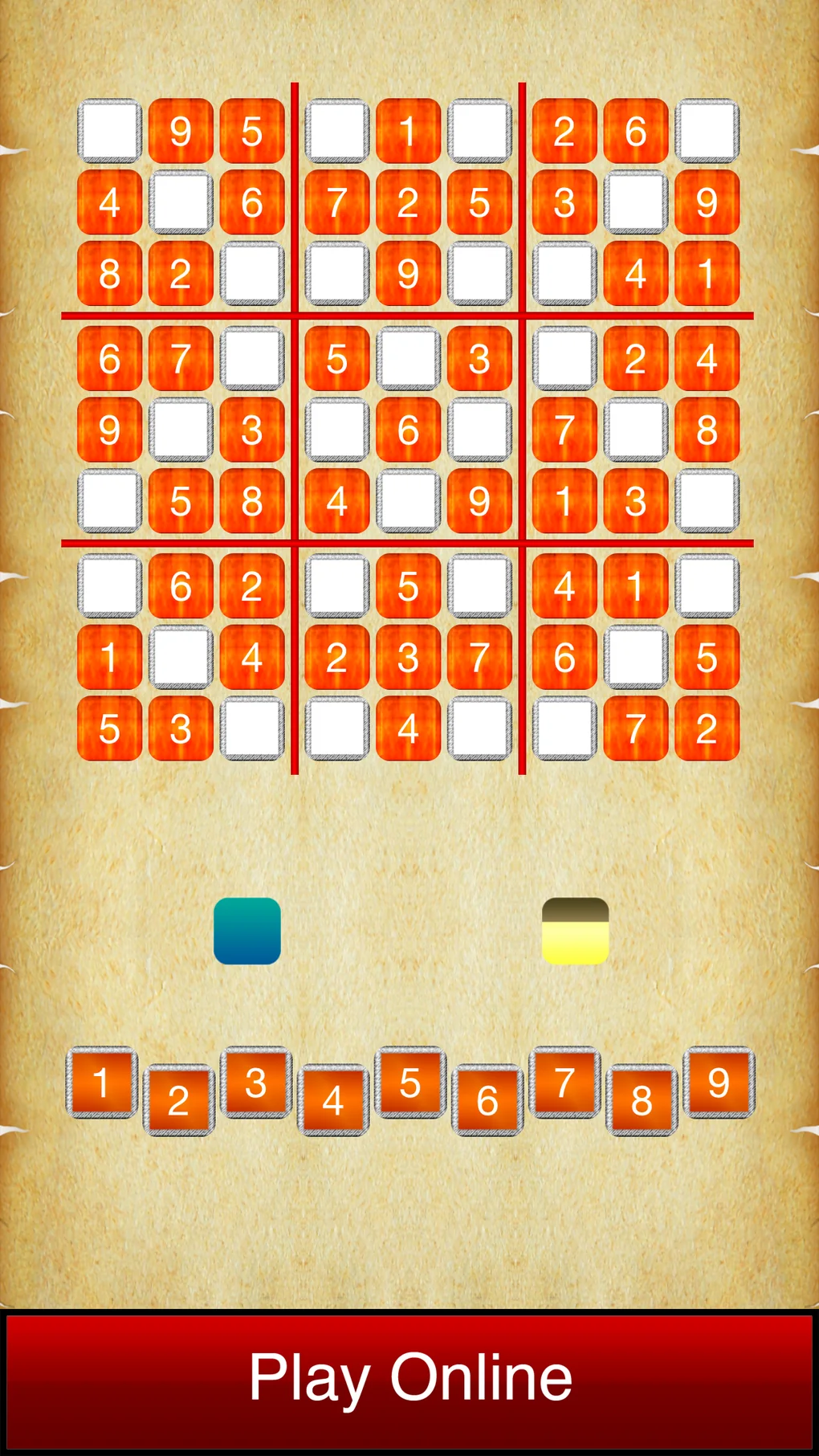
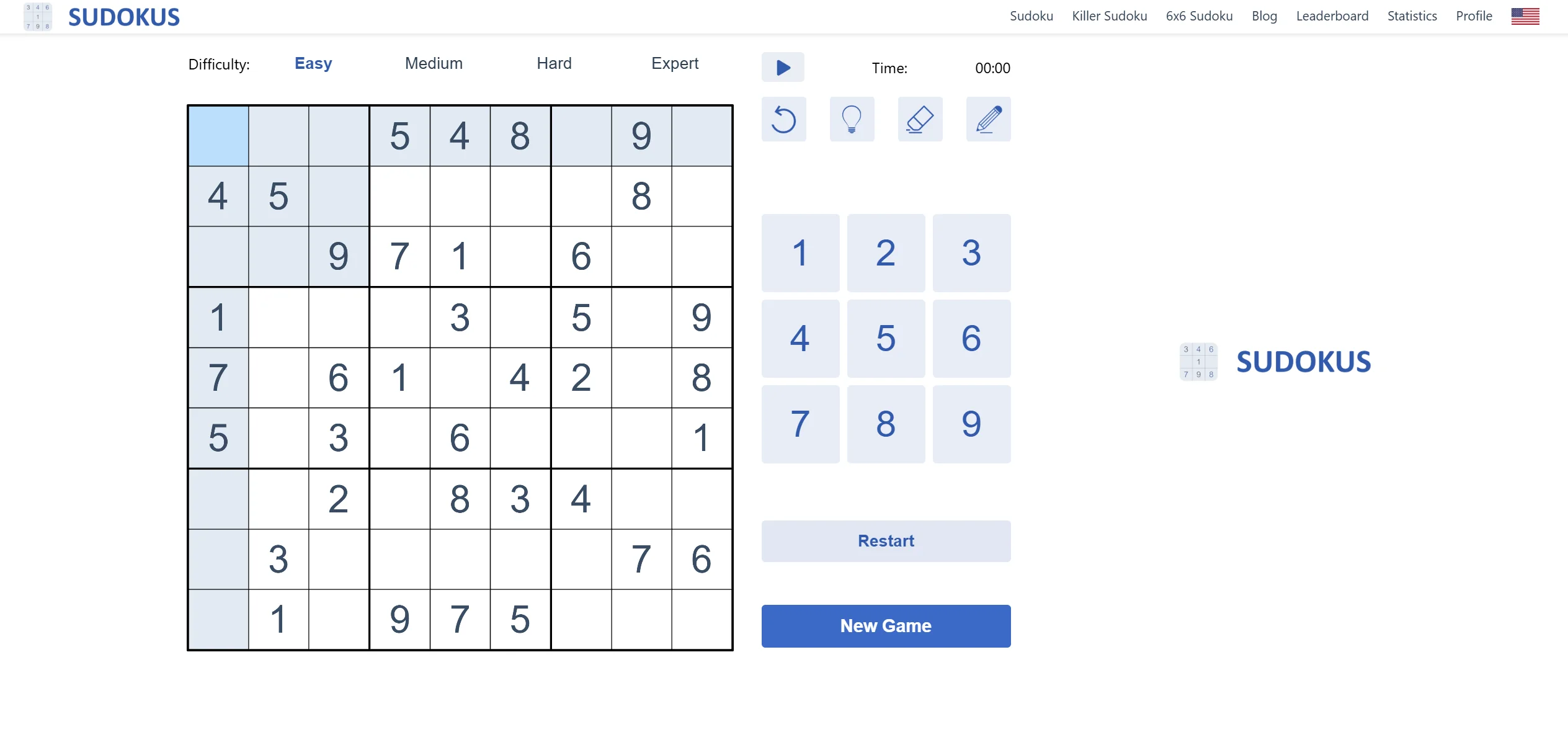
The uniqueness of a Sudoku puzzle’s solution is guaranteed by the rules of the game itself. Each Sudoku puzzle is a 9×9 grid, divided into nine 3×3 subgrids. The objective is to fill the grid with digits so that each column, each row, and each of the nine 3×3 subgrids contain all of the digits from 1 to 9.
The unique solution principle is rooted in the constraints imposed by these rules. Let’s explore why each Sudoku puzzle has only one correct solution:
1. **Grid Layout**: The structured 9×9 grid, with its subgrids, ensures that each number must fit into a specific space without violating the Sudoku rules.
2. **Unique Numbers**: Each row, column, and 3×3 subgrid must contain all digits from 1 to 9. This requirement inherently eliminates multiple solutions.
3. **Constraint Propagation**: As you fill in numbers, you apply constraints to subsequent spaces. Each decision you make narrows down the possibilities, ultimately leading to a unique solution.
**Frequently Asked Questions (FAQ)**
**Q: Why does Sudoku always have a unique solution?**
A: Sudoku’s unique solution is a direct result of the game’s rules and the constraints they impose on the grid. Each digit placement eliminates potential solutions, ensuring a singular outcome.
**Q: Can a Sudoku puzzle have more than one solution?**
A: No, standard Sudoku puzzles are designed to have only one unique solution. This is achieved by carefully crafting the starting configuration of the puzzle.
**Q: How do you prove that a Sudoku puzzle has a unique solution?**
A: Proving the uniqueness of a Sudoku solution involves demonstrating that all possible combinations of numbers lead to the same grid. This can be achieved through mathematical induction and the application of constraint propagation algorithms.
**Q: What if a Sudoku puzzle seems to have multiple solutions?**
A: If you encounter a puzzle that seems to have multiple solutions, it might be an error in the puzzle’s construction. A properly designed Sudoku puzzle should always have a unique solution.
**Q: How can I find the unique solution to a Sudoku puzzle?**
A: To find the unique solution to a Sudoku puzzle, apply the game’s rules systematically. Place a number in a space only if it doesn’t violate the constraints of the rows, columns, and 3×3 subgrids. Over time, the unique solution will emerge.
Sudoku’s unique solution principle is a testament to the ingenuity of its creators. Whether you are a seasoned solver or a beginner, the satisfaction of finding the singular answer to a Sudoku puzzle is a reward in itself. Keep challenging yourself with this classic puzzle and unlock the secrets of its unique solution.