### Sudoku Integer Feasibility: A Comprehensive Guide
#### Understanding Sudoku Integer Feasibility
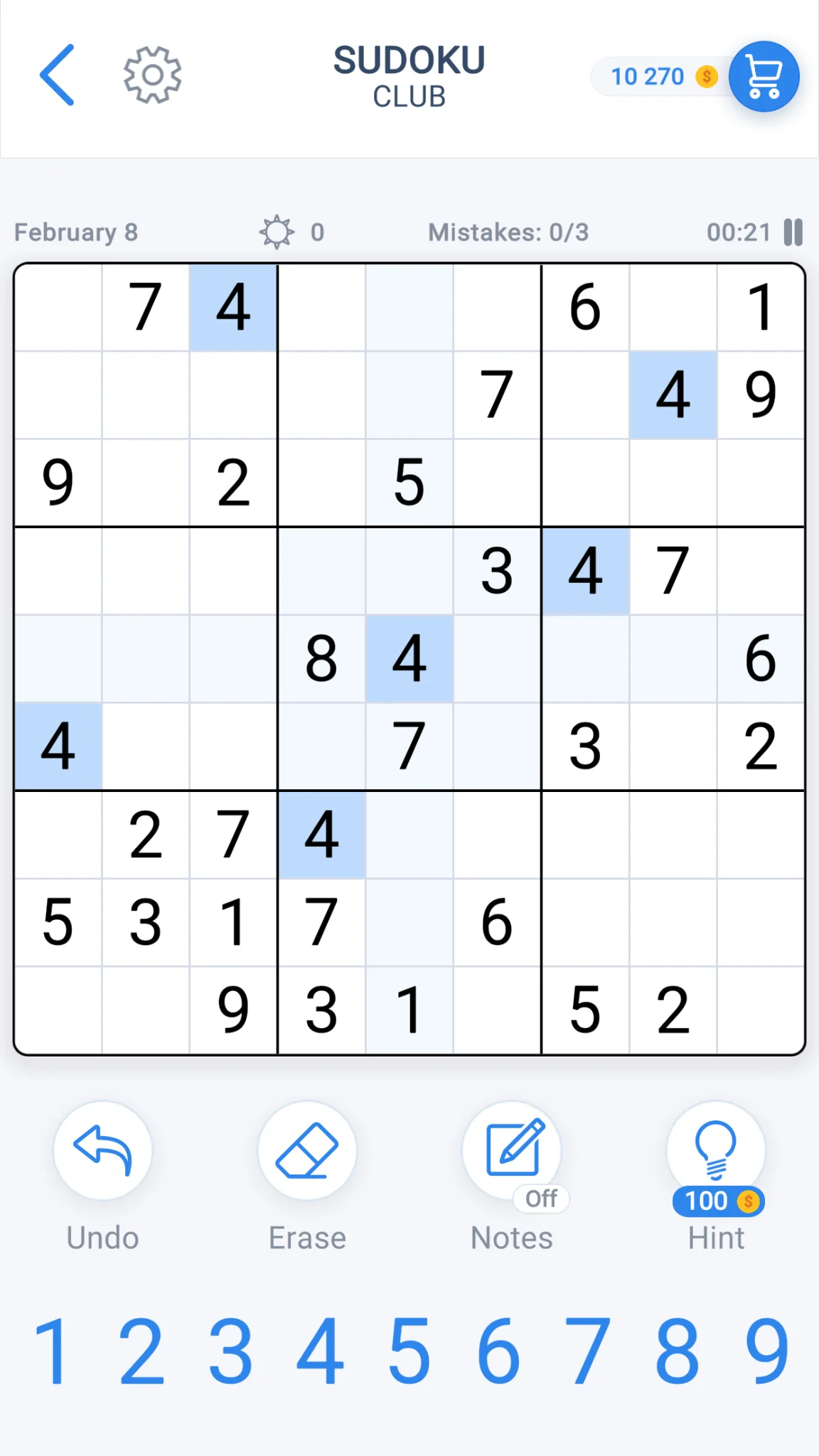
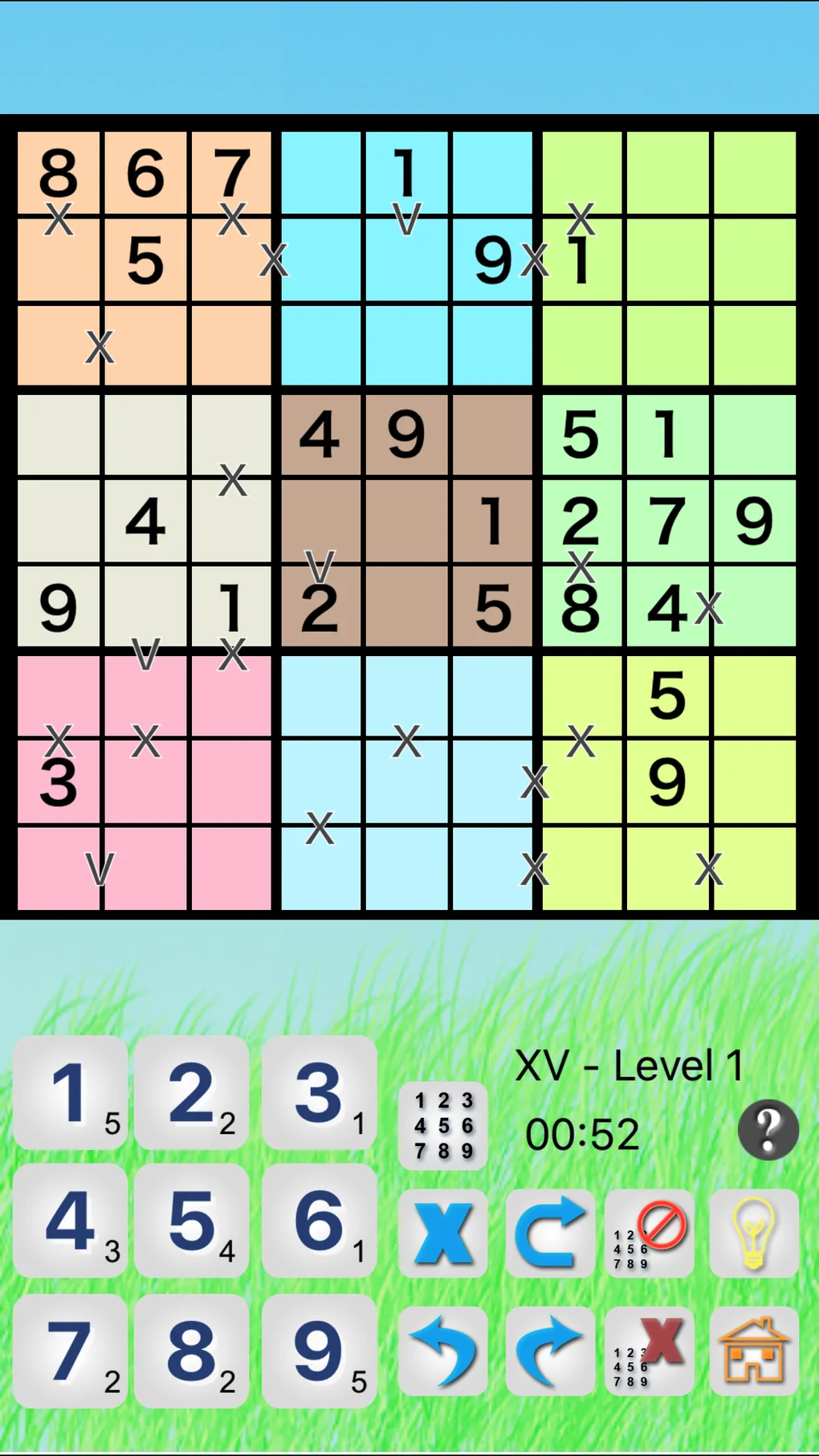
Sudoku is a popular puzzle game that requires players to fill a 9×9 grid with numbers so that each row, column, and 3×3 subgrid contains all of the digits from 1 to 9. The challenge lies in the logical placement of numbers without repeating any digit in the same row, column, or subgrid. When discussing Sudoku, the term “integer feasibility” refers to the mathematical concept of determining whether a given Sudoku puzzle has a valid solution using integer programming.
#### What is Integer Feasibility in Sudoku?
Integer feasibility in Sudoku is the process of checking if a given puzzle configuration can be solved by assigning integer values (1-9) to each cell in the grid. It involves using algorithms that can handle integer constraints and solve complex combinatorial problems like Sudoku.
#### Key Components of Integer Feasibility in Sudoku
1. **Grid Representation**: The Sudoku grid is represented as a matrix, where each cell corresponds to a potential integer value (1-9).
2. **Constraints**: The constraints in Sudoku are the rules that must be followed, such as no repeated numbers in rows, columns, and subgrids.
3. **Integer Programming**: Integer programming is a mathematical optimization method that deals with integer decision variables. In Sudoku, this method is used to find a feasible solution.
#### Challenges in Sudoku Integer Feasibility
– **Complexity**: As the size of the Sudoku grid increases, the complexity of solving it using integer feasibility also increases.
– **Multiple Solutions**: Some Sudoku puzzles may have multiple valid solutions, which can make it challenging to determine a unique solution.
#### Algorithms for Sudoku Integer Feasibility
1. **Backtracking**: This is a simple algorithm that tries to place numbers in cells and backtracks when it encounters a conflict.
2. **Constraint Propagation**: This algorithm uses logical deductions to reduce the number of possible values for each cell.
3. **Constraint Satisfaction**: This approach uses a set of constraints and tries to find a solution that satisfies all of them.
#### Frequently Asked Questions (FAQ)
**Q1: What is the difference between integer feasibility and constraint satisfaction in Sudoku?**
A1: Integer feasibility specifically deals with the use of integer programming to solve the puzzle, whereas constraint satisfaction is a broader approach that can include various techniques to find a solution that satisfies all constraints.
**Q2: Can integer feasibility be used to solve all Sudoku puzzles?**
A2: While integer feasibility can solve many Sudoku puzzles, it may not be effective for puzzles with multiple solutions or those that are particularly complex.
**Q3: How does constraint propagation help in solving Sudoku?**
A3: Constraint propagation reduces the number of possible values for each cell by using logical deductions based on the constraints of the puzzle, making it easier to find a solution.
**Q4: Are there any limitations to using backtracking for Sudoku?**
A4: Backtracking can be slow for larger Sudoku puzzles or those with many constraints, as it may require many iterations to find a solution.
**Q5: Can integer feasibility be applied to other puzzle games?**
A5: Yes, integer feasibility can be applied to other puzzle games that involve logical placement of elements under certain constraints, such as crosswords or other grid-based puzzles.