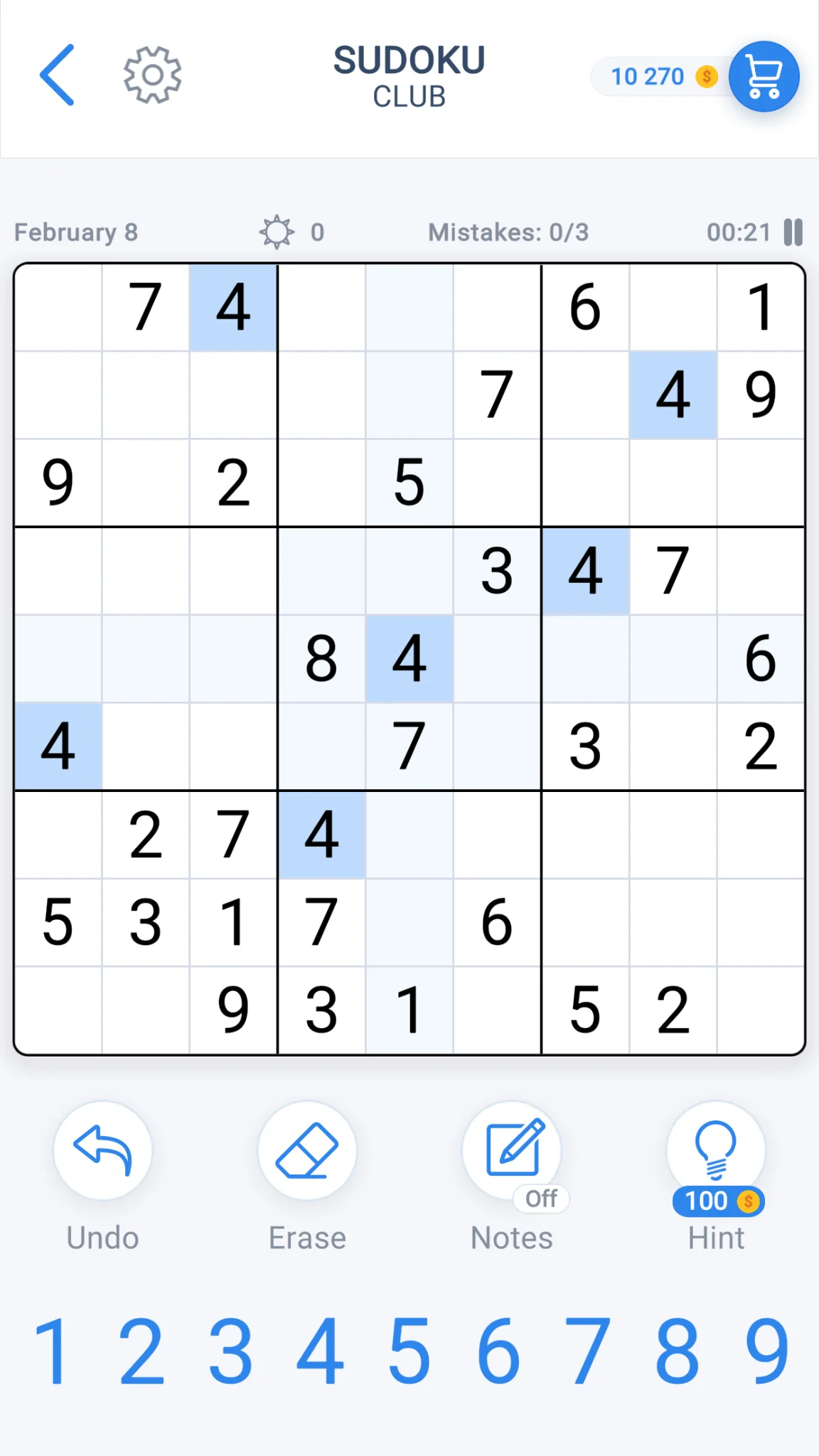
### Sudoku Puzzles: A Visual Approach
#### Introduction to Sudoku Puzzles
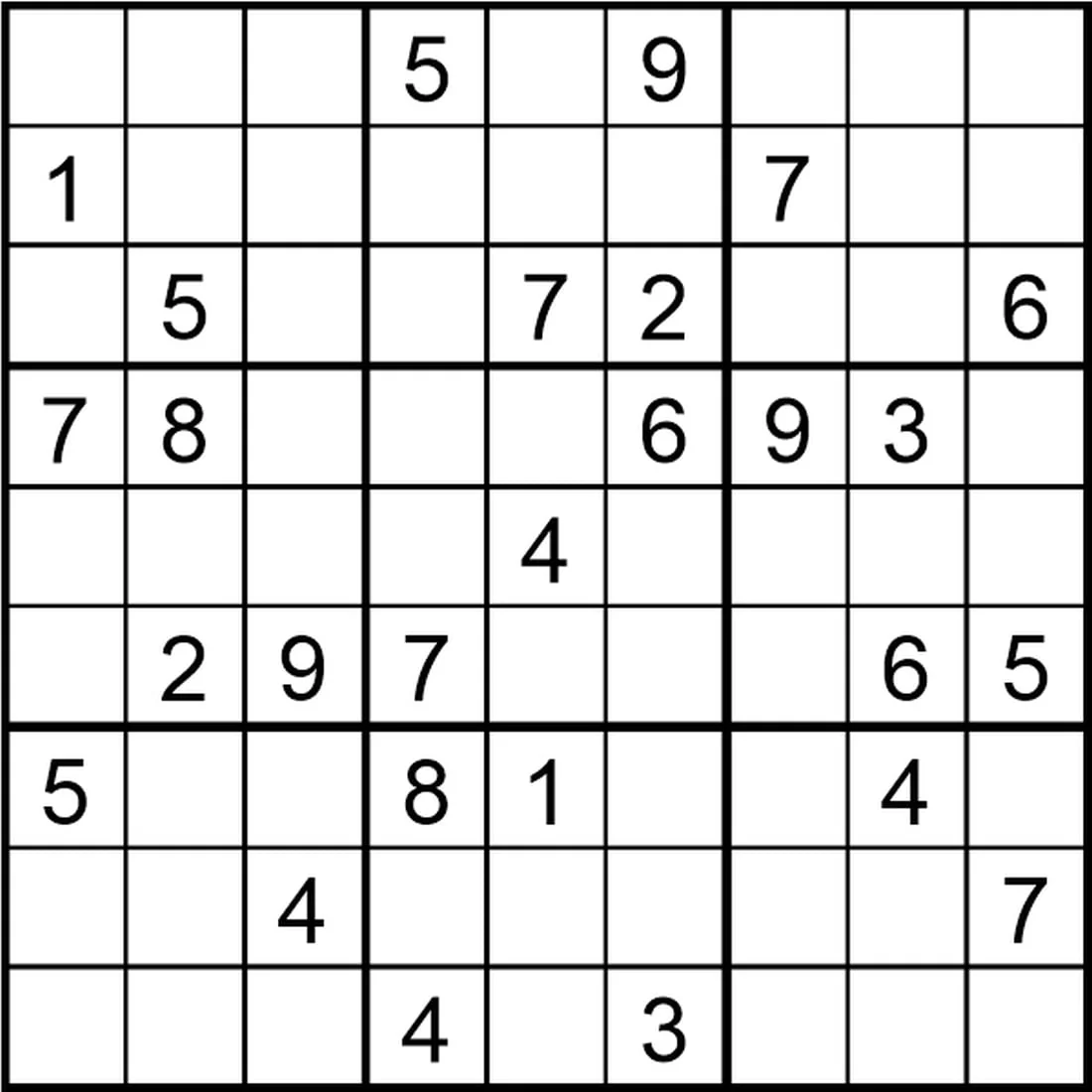
Sudoku puzzles have gained immense popularity worldwide for their simplicity and the challenge they present. These logical puzzles involve filling a 9×9 grid with digits so that each column, each row, and each of the nine 3×3 subgrids that compose the grid contain all of the digits from 1 to 9. The visual aspect of Sudoku puzzles makes them not only engaging but also aesthetically pleasing.
#### The Visual Appeal of Sudoku
One of the unique features of Sudoku puzzles is their visual appeal. The grid structure and the arrangement of numbers provide a clear and structured way to solve the puzzle. Here are some key aspects of the visual approach to Sudoku puzzles:
1. **Grid Layout**: The 9×9 grid is the foundation of Sudoku puzzles. The grid is divided into nine 3×3 subgrids, which help in organizing the numbers and identifying patterns.
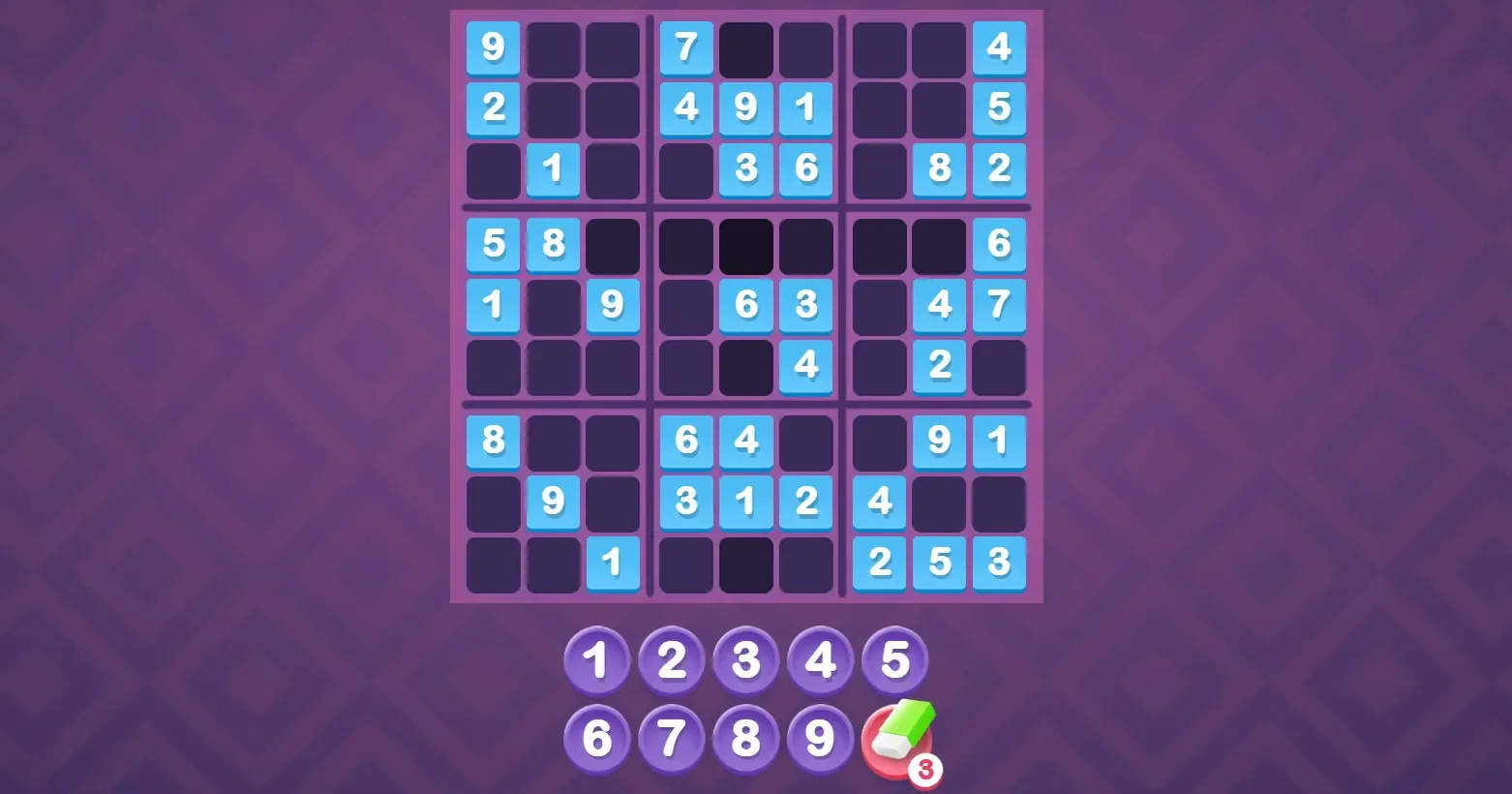
2. **Color Coding**: Some Sudoku puzzles use color coding to differentiate between rows, columns, and subgrids. This can make it easier to visualize the relationships between different parts of the puzzle.
3. **Symmetry**: Sudoku puzzles often feature symmetrical patterns, which can be both visually appealing and helpful in solving the puzzle. Symmetry can indicate potential repeating patterns or constraints.
4. **Templates**: Some Sudoku puzzles come with pre-filled numbers (templates) that can guide the solver and enhance the visual experience.
#### Strategies for Solving Sudoku Puzzles Visually
To make the most of the visual aspect of Sudoku puzzles, here are some strategies you can employ:
1. **Pattern Recognition**: Look for patterns in the grid, such as rows or columns with missing numbers or repeated digits in subgrids.
2. **Visual Checking**: Regularly check the grid visually to ensure that each row, column, and subgrid contains all the digits from 1 to 9.
3. **Color Coordination**: If using color coding, coordinate your visual checks with the colors to quickly identify any discrepancies.
4. **Subgrid Analysis**: Focus on the 3×3 subgrids and try to solve them as mini-puzzles. This can help in identifying potential solutions for the larger grid.
#### Frequently Asked Questions (FAQ)
**Q1: What is the difference between standard Sudoku and visual Sudoku?**
A1: Standard Sudoku puzzles rely on logical reasoning, while visual Sudoku puzzles incorporate elements like color coding and symmetry to enhance the visual experience and potentially aid in solving the puzzle.
**Q2: Can visual Sudoku puzzles be more challenging?**
A2: Yes, some visual Sudoku puzzles may be more challenging due to the additional visual elements and the need to coordinate them while solving the puzzle.
**Q3: Are there specific techniques for solving visual Sudoku puzzles?**
A3: Yes, techniques such as pattern recognition, visual checking, and subgrid analysis are particularly useful for solving visual Sudoku puzzles.
**Q4: Can I use a computer program to solve visual Sudoku puzzles?**
A4: Yes, there are computer programs and apps designed to solve Sudoku puzzles, including those with visual elements. However, solving puzzles manually can enhance your skills and enjoyment.
**Q5: Is it necessary to use color coding in Sudoku puzzles?**
A5: No, color coding is not necessary for solving Sudoku puzzles. It can be a helpful tool for some solvers, but it is not a requirement.
#### Conclusion
Sudoku puzzles offer a unique blend of logic, strategy, and visual appeal. Whether you are a seasoned solver or new to the world of Sudoku, the visual approach can enhance your puzzle-solving experience. By utilizing the grid layout, color coding, symmetry, and various strategies, you can enjoy the challenge and satisfaction of solving Sudoku puzzles.