### Sudoku: Fill in Your Own Adventure
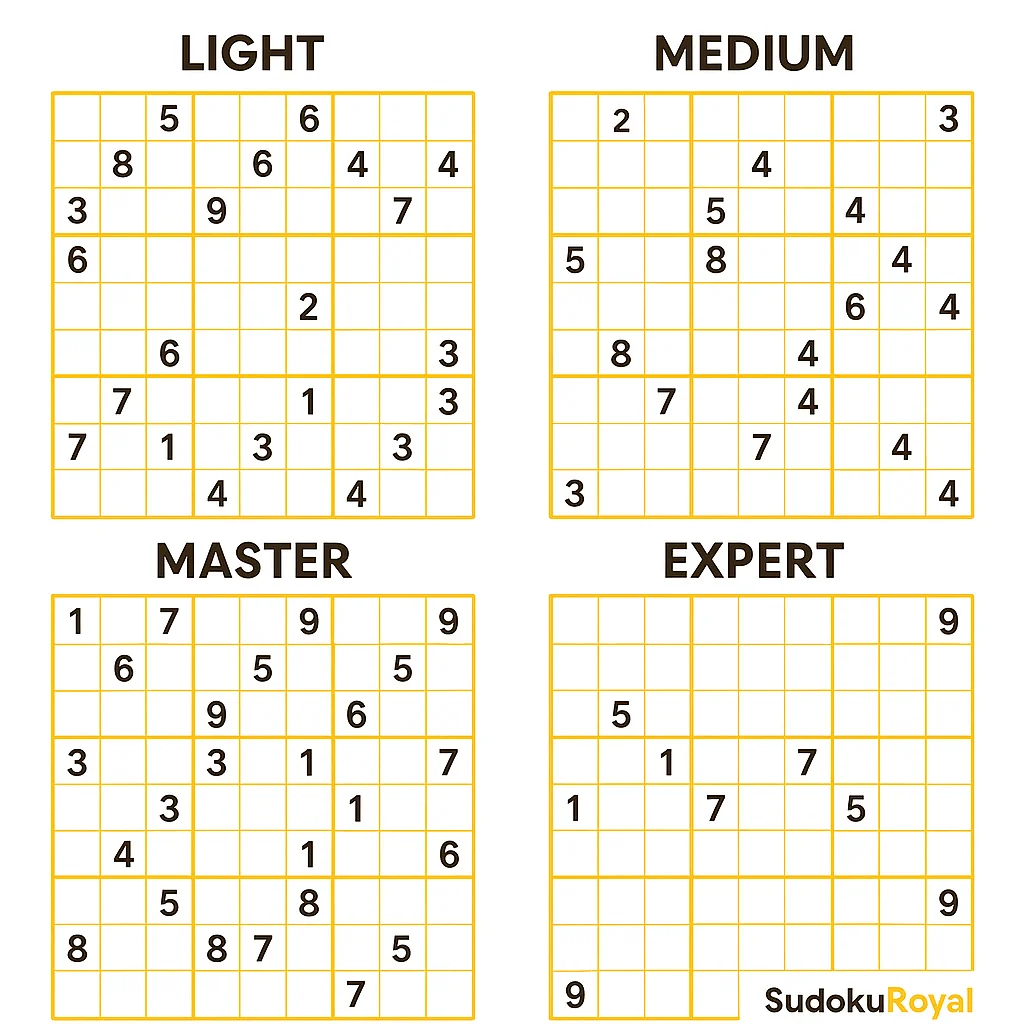
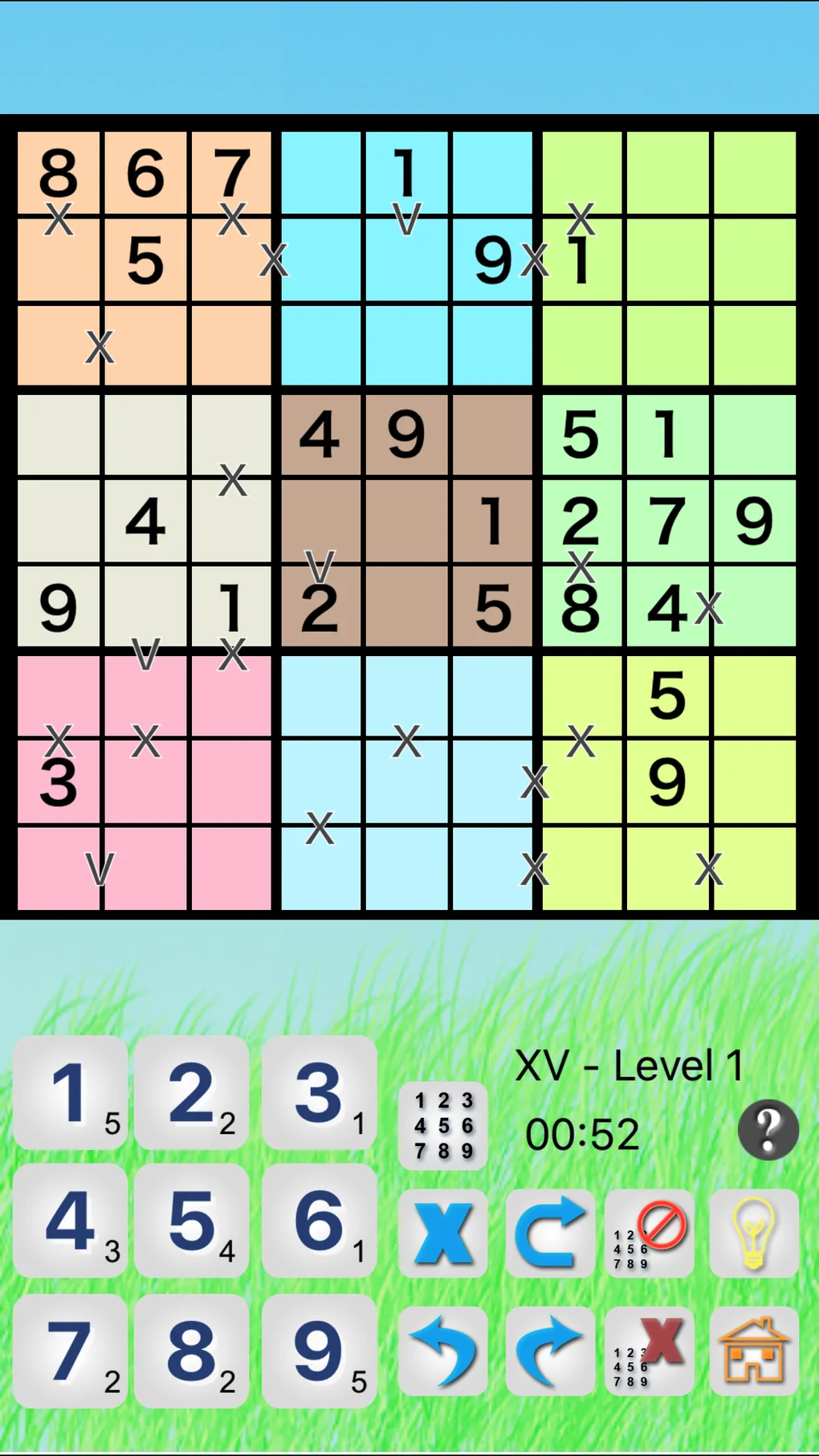
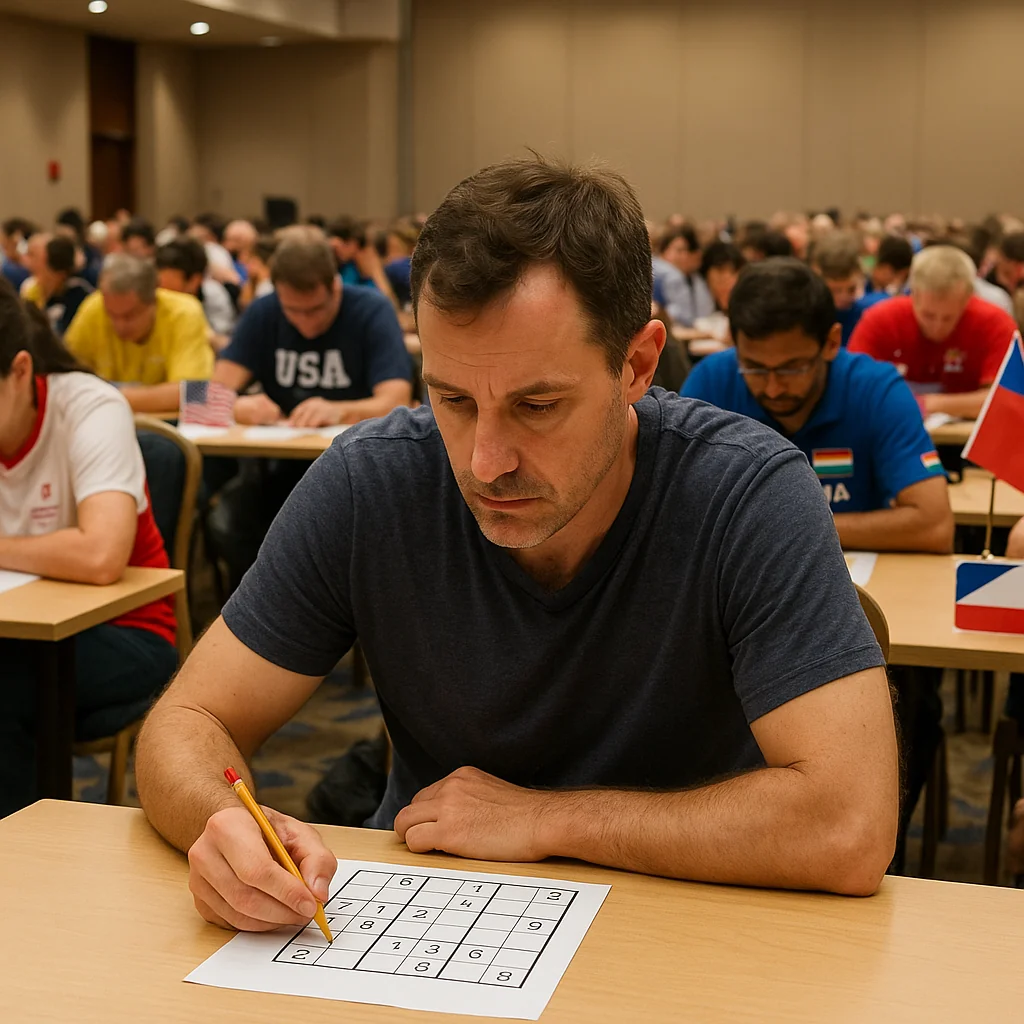
Sudoku is a popular puzzle game that challenges players to fill a 9×9 grid with numbers so that each row, column, and 3×3 subgrid contains all of the digits from 1 to 9. While there are many pre-made Sudoku puzzles available, the thrill of creating your own puzzle can be equally satisfying. In this article, we will explore how to fill in your own Sudoku grid and some tips to make your puzzles challenging and enjoyable.
#### Choosing the Starting Numbers
The first step in creating your own Sudoku puzzle is to choose a set of starting numbers. These numbers should be placed strategically to ensure that the puzzle has a unique solution. Here are some guidelines to follow:
1. **Distribute Numbers Evenly:** Aim to place numbers 1 through 9 in each row, column, and 3×3 subgrid at least once before filling in the rest of the grid.
2. **Avoid Clustering:** Try not to place the same numbers in close proximity, as this can limit the number of potential solutions.
3. **Start with Easy Numbers:** Begin by placing easier numbers, such as 1 or 2, in less constrained areas of the grid.
#### Filling in the Grid
Once you have a set of starting numbers, it’s time to fill in the rest of the grid. Here are some techniques to help you along:
1. **Eliminate Possibilities:** Use the given numbers to eliminate possible placements for the remaining empty cells.
2. **Use Subgrid Patterns:** Look for patterns in the 3×3 subgrids and use them to determine the placement of numbers.
3. **Cross-Checking:** Check rows and columns for possible placements and use this information to fill in other cells.
#### Making the Puzzle Challenging
To create a challenging Sudoku puzzle, consider the following strategies:
1. **Reduce Clues:** Start with fewer clues than a standard Sudoku puzzle. This will require the solver to use more advanced techniques to find the solution.
2. **Add Complex Patterns:** Introduce patterns that are not easily solved by basic Sudoku techniques.
3. **Ensure a Unique Solution:** Double-check that your puzzle has only one solution by solving it from the starting clues and ensuring you can only reach one conclusion.
#### FAQs
**Q: Can I create a Sudoku puzzle with a 12×12 grid?**
A: Yes, you can create Sudoku puzzles with different grid sizes. These are often referred to as “Latin squares” or “extra-large Sudoku.” The rules remain the same, but the grid size and the number of digits to place increase.
**Q: How can I make sure my puzzle has a unique solution?**
A: To ensure a unique solution, solve the puzzle from the starting clues and verify that you can only reach one conclusion. You can also use online Sudoku solvers to check the puzzle’s validity.
**Q: Are there any special Sudoku rules for creating puzzles?**
A: The basic rule for Sudoku is that each row, column, and 3×3 subgrid must contain all digits from 1 to 9. Beyond this, there are no special rules for creating puzzles, but you can add your own unique twists or challenges.
**Q: Can I use a computer program to generate Sudoku puzzles?**
A: Yes, there are many computer programs available that can generate Sudoku puzzles. These programs can create puzzles of various difficulty levels and even allow you to specify certain patterns or themes for your puzzles.
Creating your own Sudoku puzzle can be a fun and rewarding experience. By following these guidelines and strategies, you can create puzzles that are both challenging and enjoyable for others to solve. Happy Sudoku creation!